

Smoking is one of the most significant risk factors when it comes to surgical recovery and overall outcomes in aesthetic medicine. Understanding the relationship between Smoking and Plastic Surgery is essential for anyone considering a cosmetic procedure, as nicotine directly impacts blood circulation, wound healing, and complication rates.
Despite advancements in surgical techniques, lifestyle factors such as smoking can still dramatically influence results. This is why many surgeons carefully evaluate patients before approving procedures like Rhinoplasty in Dubai, where precision healing is critical for both functional and aesthetic success.
This article explains how smoking affects plastic surgery, why clinics often decline smokers, and what patients should know before undergoing any procedure.
Why Smoking Is a Major Concern in Plastic Surgery
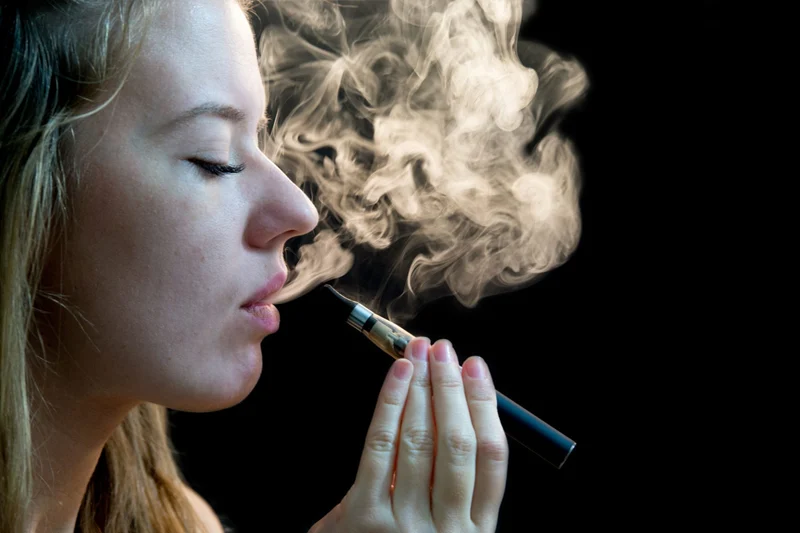
Nicotine and other chemicals in cigarettes restrict blood flow and reduce oxygen delivery to tissues. This has a direct impact on the body’s ability to heal after surgery.
Interested in Rhinoplasty?
Surgical reshaping of the nose structure to achieve perfect facial symmetry and harmony while improving nasal airway.

Key reasons smoking is problematic:
- Reduced blood circulation
- Lower oxygen supply to tissues
- Delayed wound healing
- Increased risk of infection
- Higher chance of scarring complications
Even light or occasional smoking can negatively affect surgical outcomes.
How Smoking Impacts Healing After Surgery
Healing after surgery is not a simple or instant process; it is a highly coordinated biological sequence that depends on adequate oxygen supply, efficient blood circulation, balanced inflammation response, and proper nutrient delivery to damaged tissues. Smoking disrupts almost every one of these mechanisms at a cellular level, which is why it is considered one of the most significant risk factors in post-surgical recovery.
When nicotine and other toxic compounds enter the bloodstream, they trigger vascular constriction, reduce oxygen saturation, and impair immune function. This combination creates an environment where the body struggles to repair itself efficiently, leading to slower recovery, higher complication rates, and less predictable surgical outcomes.
1. Impaired Blood Flow
One of the most immediate and clinically significant effects of smoking is reduced blood flow. Nicotine causes vasoconstriction, meaning blood vessels become narrower and less efficient at transporting oxygen-rich blood to healing tissues.
When circulation is compromised:
- Oxygen delivery to surgical sites decreases
- Essential nutrients reach tissues more slowly
- Waste products are removed less efficiently
- Cellular repair processes become significantly delayed
This reduced perfusion is especially critical in surgical areas where precise healing is required, such as delicate skin flaps, incisions, or areas with implants. Even short-term smoking can have measurable effects on microcirculation, which directly impacts the quality of wound healing.
2. Delayed Tissue Regeneration
Tissue regeneration relies on the rapid production of new cells, collagen synthesis, and controlled inflammatory responses. Smoking interferes with all of these stages.
In smokers, the body’s ability to rebuild damaged tissue is significantly slowed because:
- Fibroblast activity (cells responsible for healing) is reduced
- Collagen production becomes weaker and less organized
- Cellular oxygen levels are insufficient for optimal repair
- Inflammation persists longer than normal healing cycles
As a result, patients who smoke often experience noticeably prolonged recovery periods. Swelling tends to last longer, bruising may be more intense, and incision sites take additional time to close properly. This delay not only affects comfort but can also influence the final quality of the surgical result.
3. Increased Risk of Complications
Smoking significantly elevates the risk of both minor and major post-operative complications. Because tissue oxygenation is reduced and immune function is weakened, the body becomes more vulnerable during the healing phase.
Common complications in smokers include:
- Wound separation (dehiscence): Surgical incisions may reopen or heal unevenly due to weak tissue strength
- Infection: Reduced immune response makes it harder for the body to fight bacteria
- Skin necrosis: In severe cases, tissue may die due to insufficient oxygen supply
- Poor scar formation: Scars may become wider, thicker, or more visible than expected
In more complex procedures, these complications may require additional medical intervention or even corrective surgery. The risk is not theoretical—it is consistently documented across surgical studies and clinical practice.
Smoking and Aesthetic Surgery Outcomes
The impact of smoking extends beyond the immediate healing phase. It also plays a major role in determining the final aesthetic quality of surgical results. Even when surgery is performed perfectly, poor healing conditions caused by smoking can compromise the outcome.
Surgeons frequently observe noticeable differences in patients who smoke compared to non-smokers, particularly in areas such as:
- Skin texture and elasticity
- Visibility and quality of scars
- Symmetry and balance of results
- Long-term stability of surgical corrections
In procedures like breast augmentation dubai, proper healing is especially critical. The positioning of implants, the formation of natural contours, and the integration of the implant with surrounding tissue all depend on optimal recovery conditions. Smoking disrupts these processes, increasing the likelihood of complications such as implant displacement, capsular contracture, or delayed healing around incision sites.
In some cases, these complications may not only affect appearance but also require revision surgery to correct unsatisfactory results. This is why many surgeons emphasize strict pre- and post-operative smoking cessation as part of the treatment plan.
Why Clinics Refuse or Postpone Smokers
Many reputable aesthetic and plastic surgery clinics enforce strict non-smoking policies before approving surgical procedures. This is not a limitation without reason, but rather a medically driven safety measure designed to protect patient health and ensure optimal surgical outcomes.
Common reasons include:
- Patient safety concerns: Smokers have a statistically higher risk of complications during and after surgery
- Higher complication rates: Increased chances of infection, poor healing, and tissue damage
- Unpredictable healing outcomes: Smoking makes recovery less stable and harder to forecast
- Ethical responsibility of surgeons: Doctors are obligated to minimize avoidable risks
- Legal and medical liability: Complications linked to smoking can create preventable medical risks
Because of these factors, most surgeons require patients to stop smoking for a minimum period before surgery. The standard recommendation is typically:
- 2 to 4 weeks before surgery
- 2 to 4 weeks after surgery (or longer depending on procedure complexity)
This window allows the body to restore more normal circulation, improve oxygen delivery, and significantly enhance the healing process.
In clinical practice, adherence to these guidelines is often considered essential rather than optional, as it directly influences both safety and final aesthetic results.
Common reasons include:
- Patient safety concerns
- Higher complication rates
- Unpredictable healing outcomes
- Ethical responsibility of surgeons
- Legal and medical risk management
Most surgeons require patients to stop smoking at least 2–4 weeks before and after surgery.
Nicotine vs. Smoking: Is Vaping Safer?
A common misconception is that vaping or nicotine replacement products are safe alternatives.
Reality:
- Nicotine itself is the main harmful factor
- Vaping still restricts blood vessels
- Nicotine patches may also delay healing
Therefore, complete nicotine avoidance is usually recommended before surgery.
Recommended Smoking Cessation Timeline
For optimal surgical outcomes:
- Stop smoking at least 4 weeks before surgery
- Avoid nicotine for at least 2–4 weeks after surgery
- Follow surgeon-specific guidelines strictly
This significantly improves healing and reduces complications.
Long-Term Benefits of Quitting Smoking Before Surgery
Patients who quit smoking experience:
- Faster recovery
- Better scar quality
- Reduced infection risk
- More predictable surgical results
- Improved overall health
Quitting smoking not only improves surgery outcomes but also enhances long-term well-being.
Psychological and Lifestyle Considerations
Smoking is often linked to stress and habitual behavior. Preparing for surgery can be an opportunity to adopt healthier lifestyle habits.
Support strategies include:
- Nicotine replacement therapy (under medical supervision)
- Behavioral counseling
- Stress management techniques
- Gradual reduction plans
When Can Smokers Be Considered for Surgery?
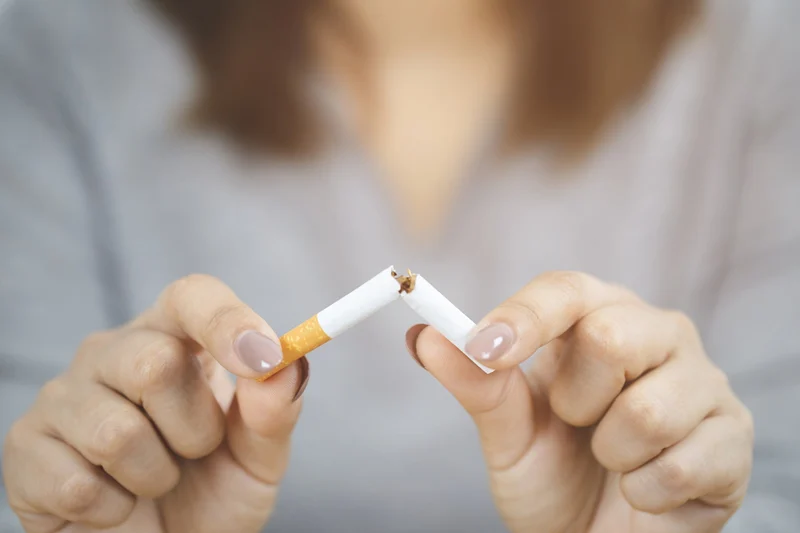
Surgeons may approve former smokers if:
- They have quit for a sufficient period
- Nicotine levels are confirmed to be zero (in some cases via testing)
- Overall health is stable
- Patient demonstrates commitment to post-operative care
FAQ
Why is smoking bad for plastic surgery?
How long before surgery should I stop smoking?
Can I vape instead of smoking before surgery?
Does smoking affect all cosmetic procedures?
What happens if I smoke after surgery?
Conclusion
Understanding the risks associated with Smoking and Plastic Surgery is crucial for achieving safe and successful results. Smoking significantly compromises healing, increases complication rates, and can negatively affect the final outcome of aesthetic procedures.
Whether undergoing facial procedures or body contouring such as breast implants in dubai, quitting nicotine before and after surgery is one of the most important steps patients can take to ensure optimal results and long-term satisfaction.