

The rise of Celebrities on Ozempic has made prescription weight-loss medications a major topic in beauty, fitness, and health conversations. Celebrity weight-loss transformations have fueled interest in Ozempic and other GLP-1 medications, but a public figure’s experience does not necessarily mean the same treatment is appropriate for everyone.
Ozempic contains semaglutide, a GLP-1 receptor agonist approved for specific uses in adults with type 2 diabetes. Semaglutide is also available under other brand names with different approved indications, including weight management.
So, is Ozempic really worth considering for weight loss? And are there non-drug options for people who want to improve their body shape without relying on prescription medication?
Celebrities on Ozempic: What Do We Actually Know?

The phrase Celebrities on Ozempic is widely searched online, but celebrity weight-loss stories need to be approached carefully.
Some public figures have openly discussed using GLP-1 medications, while others have denied using Ozempic or have attributed changes in their appearance to diet, exercise, or other factors. In many cases, online claims about celebrity medication use are unconfirmed.
A person’s appearance cannot establish whether they are taking Ozempic. Weight changes can occur for many different reasons, including changes in nutrition, physical activity, medical conditions, stress, and other treatments.
For this reason, celebrity transformations should not be used as a guide for deciding whether a prescription medication is right for you.
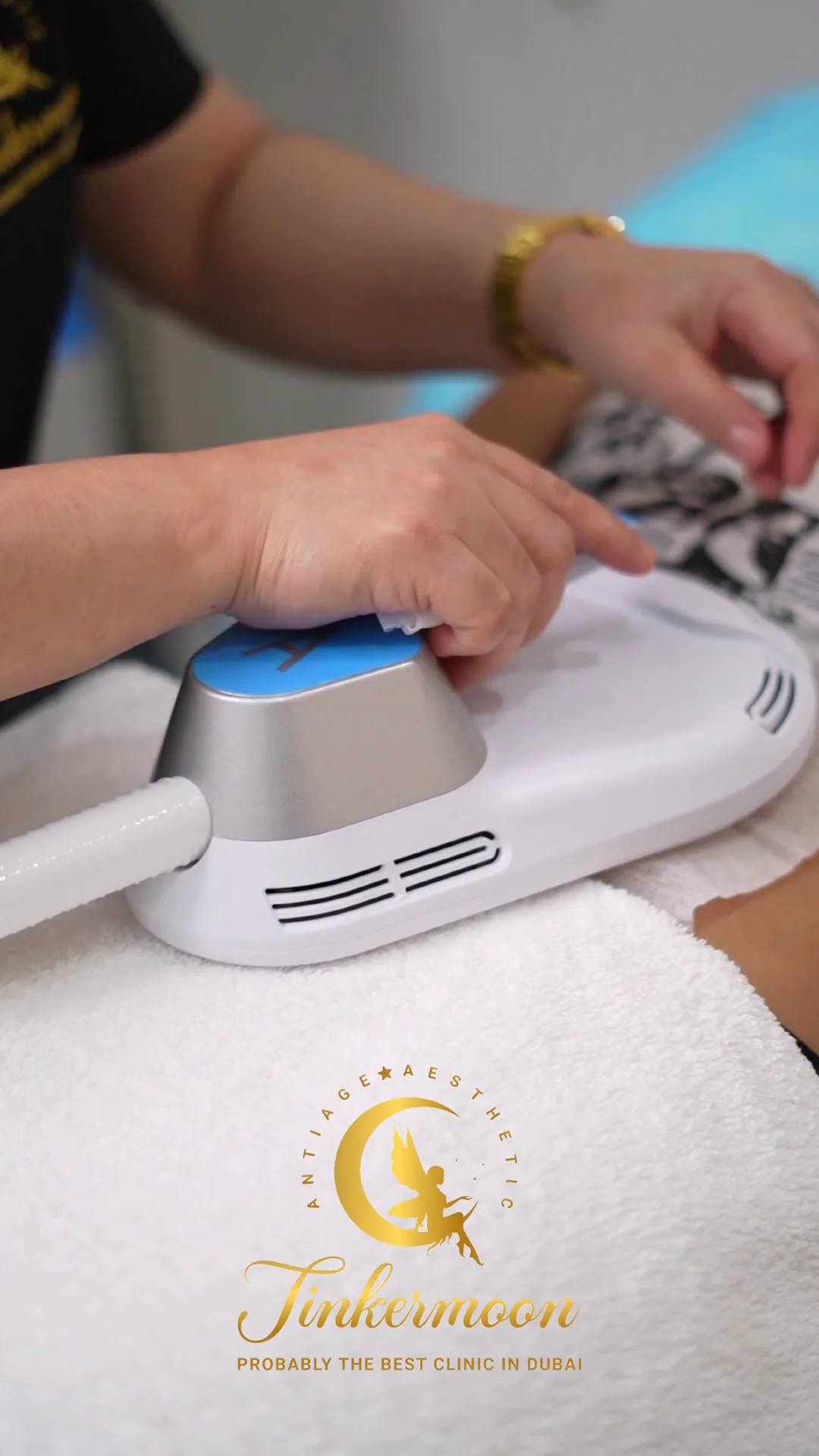
مهتمة بـ تنحيف EMS؟
EMS (التحفيز الكهربائي للعضلات) علاج غير جراحي يستخدم نبضات كهربائية لتحفيز انقباض العضلات. تحاكي هذه الانقباضات تأثير التمرين، مما يساعد على تقوية العضلات وتحسين التناسق. يُستخدم غالباً لتشكيل…

Why Has Ozempic Become So Popular for Weight Loss?

Ozempic contains semaglutide, which works similarly to a naturally occurring hormone called GLP-1. It helps regulate blood glucose and can affect appetite and food intake.
The medication has received significant public attention because semaglutide-based treatments can lead to weight loss in appropriate patients. This has contributed to the popularity of GLP-1 medications far beyond their original diabetes-related use.
However, Ozempic itself is approved by the FDA for improving blood sugar control in adults with type 2 diabetes, along with reducing certain cardiovascular and kidney-related risks in specific patients. It is not simply a cosmetic weight-loss treatment.
Semaglutide is also used in other FDA-approved products for chronic weight management in eligible patients.
How Does Ozempic Work?

Ozempic belongs to a class of medications known as GLP-1 receptor agonists. It can help the body regulate blood sugar and may reduce appetite.
Depending on the individual and the treatment plan, semaglutide may:
- Help regulate blood glucose
- Reduce appetite
- Increase feelings of fullness
- Slow gastric emptying
- Support weight loss in appropriate patients
The medication is administered as a once-weekly injection according to its prescribing information.
The results are not identical for everyone, and medication should always be used according to a healthcare professional’s guidance.
Is Ozempic Safe for Everyone?

No. Ozempic is a prescription medication with specific contraindications, warnings, and potential side effects.
The most common adverse reactions listed in the FDA prescribing information include nausea, vomiting, diarrhea, abdominal pain, and constipation. More serious risks can also occur, including pancreatitis, gallbladder disease, kidney injury related to dehydration, and serious hypersensitivity reactions.
Ozempic also carries a boxed warning concerning thyroid C-cell tumors based on findings in rodents. It is contraindicated in people with a personal or family history of medullary thyroid carcinoma or in people with Multiple Endocrine Neoplasia syndrome type 2.
Who Should Consider Medical Guidance Before Using Ozempic?
Anyone considering Ozempic or another GLP-1 medication for weight management should discuss their medical history, current medications, and treatment goals with a qualified healthcare professional.
This is particularly important because prescription medications can have contraindications and interactions that may not be obvious from online celebrity stories.
Is Ozempic Worth It for Weight Loss?

Whether Ozempic or another semaglutide-based treatment is worth considering depends on the individual.
For someone who has a medical indication for a GLP-1 medication, the potential benefits may outweigh the risks when treatment is appropriately prescribed and monitored.
For someone who simply wants to lose a small amount of weight or improve the appearance of a specific body area, prescription medication may not be the only approach worth exploring.
The right strategy depends on factors such as overall health, weight-related risks, lifestyle, treatment goals, and medical history.
Non-Drug Alternatives to Ozempic

Not everyone looking to change their body composition needs prescription medication.
Depending on individual goals, approaches may include:
- A balanced, calorie-appropriate diet
- Regular physical activity
- Adequate sleep
- Sustainable lifestyle changes
- Medical weight-management guidance when appropriate
- Non-invasive body-contouring treatments
These options do not work in the same way as Ozempic and should not be considered direct medical substitutes. However, they may be relevant for people who prefer to explore non-drug approaches.
For people who prefer to avoid prescription weight-loss medications, there are also non-drug approaches that may offer a lower-risk alternative depending on their individual goals and health needs. These can include lifestyle changes and non-invasive body-contouring options such as EMS Slimming.
EMS Slimming for Non-Invasive Body Contouring
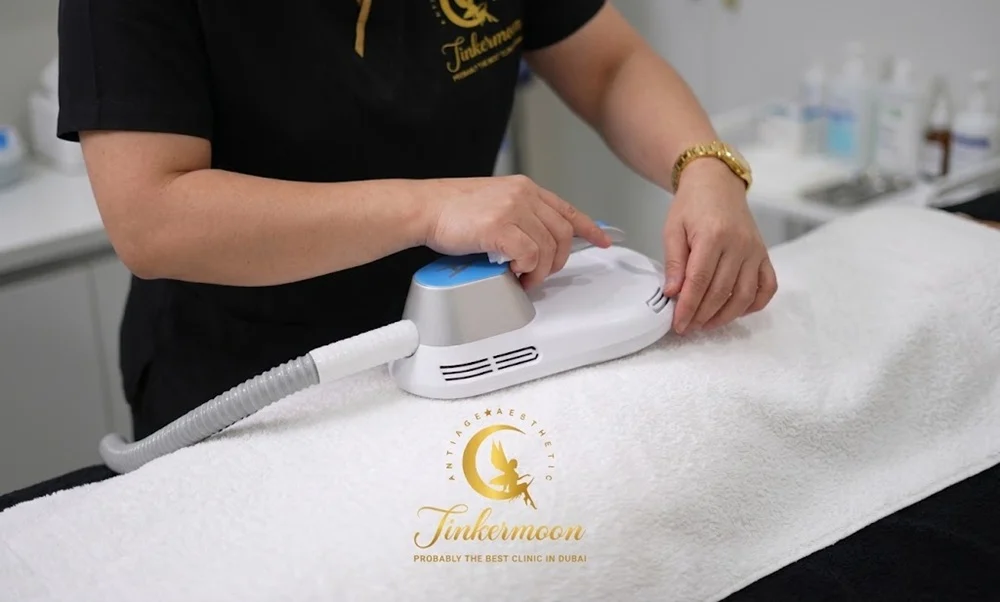
EMS Slimming is a non-invasive body-contouring approach that uses electromagnetic stimulation to induce repeated muscle contractions in targeted areas.
Unlike GLP-1 medications, EMS Slimming does not work by suppressing appetite or changing blood glucose regulation. Instead, it is designed around muscle stimulation and body contouring.
This distinction is important: EMS Slimming should not be presented as an alternative medication for obesity or as a replacement for medically necessary weight-management treatment.
For people primarily interested in improving the appearance of specific areas, a qualified provider can determine whether EMS Slimming is appropriate for their goals.
What Is the Best Way to Lose Belly Fat?

There is no single method that works for everyone when it comes to reducing abdominal fat. Sustainable changes in nutrition, physical activity, sleep, and overall body composition can all play a role.
For practical strategies and lifestyle tips, read our guide on what is the best way to lose belly fat.
For people who are already working on their lifestyle habits but want to explore targeted body contouring, non-invasive treatments such as EMS Slimming may also be worth discussing with a qualified provider.
Should You Follow Celebrity Weight-Loss Trends?
Celebrity transformations can generate interest in new weight-loss treatments, but they rarely provide enough information to make an informed medical decision.
You may not know the person’s complete medical history, diet, exercise routine, medications, or whether the claims circulating online are even accurate.
Instead of asking what worked for a celebrity, it is more useful to consider:
- What is your actual health goal?
- Do you need medical weight management?
- Are you trying to reduce overall body weight or improve a specific body area?
- Would lifestyle changes be sufficient?
- Could a non-invasive body-contouring treatment complement your existing routine?
A personalized approach is more appropriate than copying a celebrity’s treatment.
FAQs About Celebrities on Ozempic
Do celebrities really use Ozempic?
Does Ozempic help with weight loss?
Is Ozempic safe for everyone?
Are there alternatives to Ozempic for weight loss?
What is EMS Slimming?
Final Thoughts
The popularity of Celebrities on Ozempic has made semaglutide one of the most discussed topics in modern weight-loss conversations. However, celebrity results should not be treated as medical recommendations.
Ozempic is a prescription medication with specific indications, contraindications, and potential side effects. For people who have a medical reason to use a GLP-1 medication, treatment should be guided by a qualified healthcare professional.
For others, sustainable lifestyle changes or non-invasive approaches such as EMS Slimming may be worth exploring depending on their goals.
The most appropriate approach is the one that fits your health needs, body-composition goals, and professional medical guidance—not simply the one that is trending among celebrities.