

Hollow temples can make the face appear thinner, more angular, or older than it is. This change may develop gradually with age, but genetics, natural facial structure, and significant weight loss can also contribute to temple hollowing.
Understanding the causes of hollow temples can help you decide whether treatment is necessary and which options may be suitable. Depending on the degree of volume loss and your facial anatomy, options may include dermal fillers or fat transfer. However, not every case requires treatment, and the potential risks should be considered before choosing a cosmetic procedure.
What Are Hollow Temples?
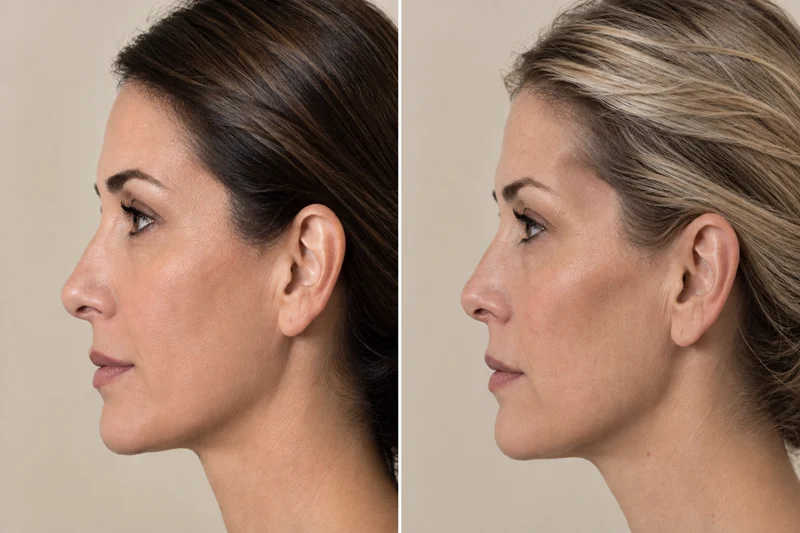
Hollow temples refer to a sunken or indented appearance on the sides of the forehead, between the outer corners of the eyes and the hairline. This area contains fat, muscle, connective tissue, and other structures that contribute to the natural contours of the face.
When the volume of the tissues in this region decreases, the temples may look less full, and the cheekbones or surrounding facial contours may appear more prominent.
Sunken temples can affect one or both sides of the face. Their appearance varies according to age, genetics, bone structure, and natural fat distribution. In many cases, temple hollowing is a normal anatomical feature rather than a sign of a medical problem.
مهتمة بـ الفيلر الجلدي؟
في Tinkermoon Clinic نقدّم علاجات فيلر جلدي مخصصة في دبي لاستعادة حجم الوجه وتخفيف مظهر التجاعيد وتعزيز خطوط الوجه الطبيعية دون جراحة. تُخطَّط كل جلسة بعناية حول تشريح…

What Causes Temple Hollowing?

Several factors can contribute to temple hollowing. Understanding the underlying cause helps determine whether cosmetic treatment may be beneficial.
Age-Related Volume Loss
As people age, facial fat distribution changes, and the skin gradually loses some of its collagen and elasticity. Changes in the underlying soft tissues can reduce fullness around the temples, creating a more pronounced indentation.
The timing and extent of these changes vary between individuals. Some people notice hollow temples relatively early, while others maintain fuller temples well into later adulthood.
Genetics and Natural Facial Structure
Genetics influence the shape of the skull, cheekbones, and forehead, as well as the amount and distribution of facial fat. People with naturally narrow faces or prominent cheekbones may have visible temple hollows even at a young age.
In these cases, hollow temples may reflect natural facial proportions rather than age-related volume loss.
Weight Loss and Reduced Facial Fat

Significant weight loss can reduce fat throughout the face, including the temple area. This may make existing hollows more noticeable or create a more angular appearance.
The extent of facial volume loss depends on individual fat distribution and the amount of weight lost. Maintaining a healthy weight supports general health, but it does not guarantee that temple hollowing will be prevented.
Changes in Facial Soft Tissue
Changes in the fat compartments, muscles, and connective tissues of the face can also influence the appearance of the temples over time.
If facial hollowing develops suddenly or occurs alongside unexplained weight loss or other new symptoms, a healthcare professional can help determine whether further assessment is needed.
How to Restore Volume to Hollow Temples

The most appropriate treatment depends on the cause and severity of the hollowing, your facial anatomy, medical history, and desired outcome. Two options used for selected patients are dermal fillers and fat transfer.
Dermal Fillers for Temple Hollowing
Dermal fillers, including hyaluronic acid-based products, may help restore volume to hollow temples and create smoother facial contours in suitable patients. Results depend on the filler used, the amount injected, and individual anatomy. Temporary swelling may affect the initial appearance.
Temple injections require particular expertise because of the area’s important blood vessels. Potential complications include bruising, swelling, infection, tissue damage, and, rarely, vision loss or blindness. The FDA has not approved dermal fillers for injection into the temple area. Patients should discuss the risks and regulatory status of the proposed product with a qualified medical professional before treatment.
To learn more about facial volume restoration and available treatment options, visit Tinkermoon Clinic’s dermal filler treatments page.
Fat Transfer for Sunken Temples
Fat transfer is a procedure that uses fat taken from another area of the body to restore volume in selected facial areas.
The collected fat is processed and injected into the temples to improve their fullness. This option may suit some patients who want a different approach to facial volume restoration, but it involves a more invasive procedure than injectable fillers.
Results can vary because some of the transferred fat may be reabsorbed by the body. Recovery time, surgical risks, and individual suitability should be discussed with a qualified specialist before deciding on treatment.
Are Dermal Fillers Safe for Hollow Temples?
Dermal fillers can improve temple contours in selected patients, but injections in this area require careful planning because of its complex vascular anatomy.
Common side effects include temporary swelling, redness, tenderness, and bruising. More serious complications can occur if filler blocks a blood vessel, potentially causing tissue damage or vision problems. These risks make the practitioner’s qualifications, anatomical knowledge, product selection, and ability to manage complications especially important.
Seek immediate medical attention if you experience vision changes, severe or unusual pain, or pale, gray, or blue skin discoloration during or after a filler procedure. These may be warning signs of a serious complication.
source: FDA
How Long Do Temple Fillers Last?
The duration of temple filler results depends on the product used, the amount injected, individual metabolism, and the treatment plan.
Some hyaluronic acid fillers may provide results lasting a year or longer in certain patients, but the duration varies and should not be guaranteed. A clinical trial of a specific hyaluronic acid filler found that improvement in temple hollowing persisted through 13 months of follow-up; these findings do not establish the same duration for every filler product or patient.
As the filler gradually breaks down, the restored volume may decrease. A follow-up assessment can help determine whether additional treatment is appropriate.
Can Hollow Temples Be Prevented?
Hollow temples caused by genetics or natural aging cannot always be prevented. However, healthy habits can support skin health and overall well-being.
- Protect your skin from the sun: Use broad-spectrum sunscreen to help reduce UV-related skin damage.
- Maintain a healthy weight: Avoid unnecessary or rapid weight fluctuations where possible.
- Eat a balanced diet: Adequate nutrition supports normal skin function and general health.
- Follow a suitable skincare routine: Moisturizers can improve skin hydration and texture, but they cannot replace lost facial fat.
These habits may support skin health, but they cannot reliably restore volume once significant temple hollowing has developed. If the change is sudden or unexplained, seek medical advice rather than assuming it is simply an aesthetic concern.
Frequently Asked Questions
Can hollow temples be reversed?
Are dermal fillers effective for sunken temples?
Can young adults develop hollow temples?
Do hollow temples always require treatment?
How long do temple fillers last?
Conclusion
Hollow temples can develop because of aging, genetics, weight loss, and changes in facial soft tissue. Although this feature is often harmless, it can affect the overall contours and proportions of the face.
Dermal fillers and fat transfer may help restore volume in selected patients, but each option has limitations and potential risks. Temple filler injections require particular caution because of the area’s complex blood vessel anatomy.
A consultation with a qualified medical professional can help you understand the available options and decide whether treatment is appropriate for your facial structure and aesthetic goals.