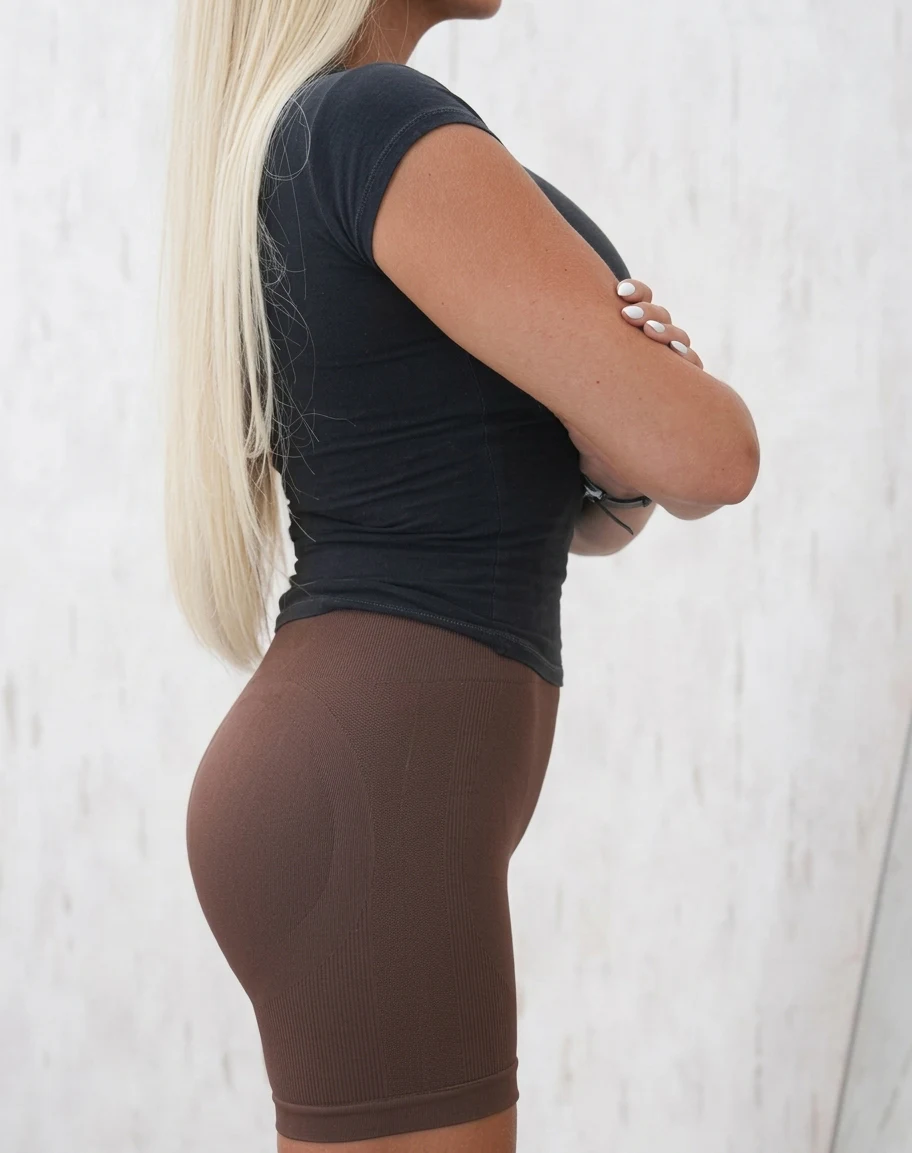


Want fuller, rounder buttocks without spending hours working out? Although exercise is a common way to build gluteal muscles, nutrition, genetics, body composition, and certain cosmetic treatments can also influence buttock appearance. The key is understanding which methods can actually increase volume and which ones have limitations.
How to Increase Buttocks Size Fast

The fastest approach depends on whether someone wants to increase overall body weight, improve muscle development, or add volume to a specific area. Natural methods generally take time and cannot control where the body stores fat.
Here are some approaches worth understanding:
- Gradual weight gain: Increasing calorie intake can increase overall body fat, although the distribution depends on genetics and hormones.
- Nutritional support: Eating enough protein, carbohydrates, and healthy fats supports normal body functions and tissue maintenance.
- Posture improvement: Maintaining a neutral pelvic position can change how the buttocks look, but it does not increase their actual size.
- Cosmetic treatments: Certain procedures aim to improve localized volume and contour without conventional exercise.
For people seeking a more noticeable change without gaining weight throughout their bodies, professional aesthetic treatments may be worth discussing with a qualified practitioner. However, the expected results, limitations, and risks depend on the specific procedure.
مهتمة بـ فيلر المؤخرة؟
فيلر المؤخرة علاجات حقنية تُستخدم لإضافة الحجم وتحسين شكل الأرداف. توفر بديلاً غير جراحي لإجراءات مثل Brazilian Butt Lift (BBL).

How to Gain Weight in Buttocks and Thighs

Gaining weight in the buttocks and thighs is a common goal for people who want a fuller lower-body appearance. However, the body cannot be instructed to store additional fat in one particular area.
Several factors influence where weight gain occurs:
Genetics: Inherited characteristics play a major role in body shape and fat distribution. Some individuals naturally store more fat around their hips and thighs, while others gain weight around their abdomen or upper body.
Hormones: Hormonal factors, including estrogen, influence fat distribution. Changes in hormonal levels and age can also affect body composition.
Calorie intake: Consuming more calories than the body uses over time can lead to weight gain. However, the additional fat may accumulate in different areas rather than exclusively around the buttocks and thighs.
A gradual increase in calorie intake, supported by nutritious foods, is generally preferable to rapid weight gain. People should also consider their overall health rather than focusing exclusively on increasing the size of one body area.
How to Increase Buttocks Size by Food
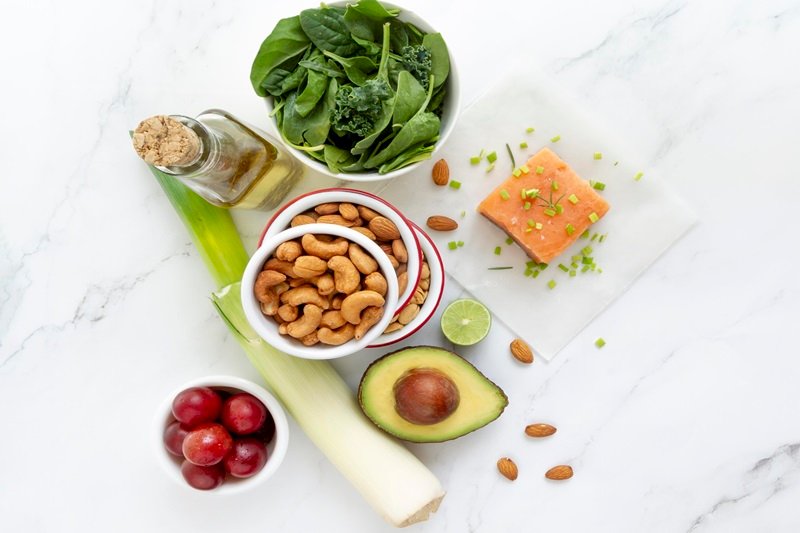
Food can support healthy weight gain and provide nutrients needed for muscle maintenance. However, no particular food has been proven to increase buttock size directly or make the body store fat specifically in this area.
A balanced eating plan can include the following:
1. Protein-rich foods
Protein supplies amino acids needed for maintaining and repairing body tissues. Suitable sources include eggs, chicken, fish, Greek yogurt, milk, lentils, beans, and tofu.
2. Healthy fats
Foods such as avocados, almonds, walnuts, olive oil, chia seeds, and peanut butter provide energy and essential fatty acids. They can also help increase calorie intake without relying on highly processed foods.
3. Complex carbohydrates
Oats, brown rice, sweet potatoes, quinoa, and whole-grain bread provide energy and important nutrients. They can form part of a balanced eating plan.
4. Nutrient-dense snacks
Nuts, dried fruits, yogurt, and homemade smoothies can help people who struggle to consume enough calories through regular meals.
The important distinction is that these foods support overall nutrition and weight management. They cannot determine where additional body fat will accumulate. Similarly, eating more protein without an appropriate muscle-building stimulus does not automatically increase gluteal muscle size.
Does Squeezing Buttocks Make It Bigger?
Squeezing the buttocks activates the gluteal muscles, particularly the gluteus maximus. This movement is sometimes recommended as an easy way to improve buttock shape without following a regular workout routine.
Research published in PeerJ in 2019 examined the effects of daily gluteal squeezes over eight weeks in 32 healthy university students. The researchers found improvements in hip extension strength, and the squeezing group also showed an increase in gluteal girth. However, this was a small study, and its findings do not establish that occasional buttock squeezing produces significant enlargement.
Therefore, squeezing the buttocks can activate the muscles, but it should not be presented as a guaranteed way to achieve a noticeably larger shape. Muscle activation, strength improvement, and visible muscle growth are different outcomes.
Can You Make Your Buttocks Bigger Without Exercise?
Yes, certain approaches can change buttock appearance without following a conventional exercise routine, but their results differ.
The following table summarizes what each approach can realistically achieve:
| Method | Potential effect | Main limitation |
|---|---|---|
| Gradual weight gain | May increase overall body fat | Fat distribution cannot be controlled |
| Balanced nutrition | Supports healthy body composition | Cannot target buttock growth |
| Buttock squeezing | Activates gluteal muscles | Does not guarantee significant enlargement |
| Cosmetic fillers | May add localized volume | Results and risks depend on the product |
For individuals who want a more targeted change, cosmetic procedures may be an option to discuss with a qualified medical professional. Understanding the specific treatment, its regulatory status, and possible complications is essential before making a decision.
Can Buttock Filler Injection Increase Buttock Size?
Buttock filler injection is a cosmetic procedure designed to add localized volume and improve the appearance of selected areas. Depending on the treatment plan, it may be considered for concerns such as hip dips, mild volume deficiencies, and uneven contours.
Unlike weight gain, which affects overall body composition, injectable treatments aim to address specific areas. However, fillers are not equivalent to surgical fat transfer and may offer more limited volume enhancement.
Before considering treatment, patients should understand several important factors:
- Product selection: Ask for the exact product name, composition, and intended use.
- Individual suitability: Anatomy, medical history, skin condition, and aesthetic expectations all influence treatment decisions.
- Expected results: The amount of volume and how long results last depend on the specific product and individual response.
- Potential complications: Swelling, bruising, infection, inflammation, lumps, and more serious complications are possible.
According to the US Food and Drug Administration (FDA), dermal fillers are not approved for buttock enlargement or body contouring in the United States. Patients should understand the regulatory status and potential risks of any injectable product before considering treatment.
People interested in learning more about this option can explore Buttock Filler Injection at Tinkermoon Clinic. A consultation can help clarify the proposed product, treatment suitability, realistic outcomes, and potential risks before proceeding.
Frequently Asked Questions
Can you make your buttocks bigger without gaining weight?
How long does it take to make your buttocks bigger naturally?
Which foods help increase buttock size?
Does sitting for long periods make your buttocks smaller?
Are buttock fillers a permanent solution?
Final Thoughts
Making the buttocks bigger without exercise depends on understanding the difference between overall weight gain, muscle activation, and localized volume enhancement. Food and weight changes can influence body composition, but neither guarantees targeted results. For people considering a more direct approach, professional cosmetic treatments require careful assessment, product verification, and an informed discussion of potential risks.