


Losing weight is not simply about eating less—it is about eating smarter. Among all nutrients, protein plays one of the most significant roles in supporting healthy and sustainable weight loss. Following a high protein diet for weight loss can help reduce hunger, preserve muscle mass, increase calorie expenditure, and improve long-term body composition.
As interest in body transformation continues to grow, many people combine healthy nutrition with advanced body-shaping procedures. Individuals exploring fat dissolving injections dubai often discover that maintaining a protein-rich diet supports overall body goals by helping preserve lean muscle while reducing body fat.
This guide explains why protein is essential for weight loss, how much you need, the best protein sources, common mistakes to avoid, and how combining proper nutrition with healthy lifestyle habits can maximize your results.
What Is a High-Protein Diet?
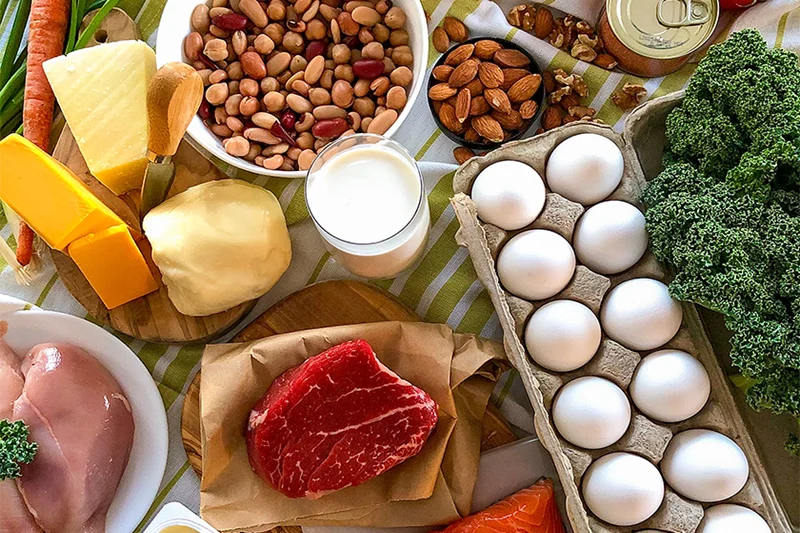
A high-protein diet emphasizes increasing daily protein intake while maintaining a balanced amount of healthy carbohydrates and fats. Instead of focusing solely on calorie restriction, this approach prioritizes foods that keep you full for longer and support muscle maintenance.
Protein-rich foods include:
- Chicken breast
- Turkey
- Fish
- Eggs
- Greek yogurt
- Cottage cheese
- Lean beef
- Lentils
- Chickpeas
- Tofu
- Beans
- Protein shakes (when needed)
Unlike highly processed foods, these protein sources provide essential amino acids that support tissue repair, metabolism, and overall health.
Interested in Non-Surgical Body Contouring & EMS Slimming?
Tone muscle and burn fat effortlessly with medical-grade EMS body sculpting sessions at Tinkermoon Clinic, Jumeirah 1.

Why Protein Is Essential for Weight Loss
Protein is often called the most satisfying macronutrient because it affects several biological processes that directly influence weight management.
Its benefits extend beyond simply building muscle. Protein also helps regulate hunger hormones, supports recovery after exercise, and increases the number of calories your body burns during digestion.
These combined effects make a high protein diet for weight loss one of the most effective nutritional strategies available.
Protein Helps Control Hunger
One of the biggest challenges during weight loss is constant hunger. Protein naturally increases feelings of fullness by influencing hormones responsible for appetite regulation.
People who consume adequate protein often experience:
- Reduced cravings
- Smaller portion sizes
- Less snacking between meals
- Improved satisfaction after eating
- Better adherence to calorie-controlled diets
Feeling full for longer makes it easier to maintain healthy eating habits over time.
Protein Preserves Lean Muscle Mass
During weight loss, the goal should be to lose fat—not muscle.
Without sufficient protein, the body may break down muscle tissue for energy, especially when calorie intake is significantly reduced.
Maintaining muscle is important because muscle tissue:
- Supports metabolism
- Improves physical strength
- Enhances body shape
- Helps maintain long-term weight loss
- Improves exercise performance
Combining resistance training with adequate protein intake is one of the best ways to protect muscle during fat loss.
Protein Increases Metabolism
Digesting protein requires more energy than digesting carbohydrates or fats. This phenomenon is known as the Thermic Effect of Food (TEF).
Protein digestion temporarily increases calorie burning because the body expends additional energy processing amino acids.
Although the increase is modest, every metabolic advantage contributes to long-term success.
Better Blood Sugar Control
Meals rich in protein slow the absorption of carbohydrates, helping stabilize blood sugar levels.
Stable blood sugar may reduce:
- Energy crashes
- Sugar cravings
- Emotional eating
- Overeating later in the day
Balanced blood sugar also supports consistent energy throughout the day.
How Much Protein Do You Need?
Protein requirements vary depending on age, activity level, weight, and fitness goals.
General recommendations include:
- Sedentary adults: 0.8 g per kilogram of body weight
- Active adults: 1.2–1.6 g/kg
- Individuals aiming for fat loss: 1.6–2.2 g/kg
- Strength athletes: Up to 2.4 g/kg
A healthcare professional or registered dietitian can help determine the ideal intake for your specific needs.
Best Protein Sources
Choosing high-quality protein sources provides additional vitamins and minerals while supporting overall health.
Animal Protein
Excellent options include:
- Chicken
- Turkey
- Eggs
- Fish
- Shrimp
- Lean beef
- Dairy products
Animal proteins contain all essential amino acids required for muscle maintenance.
Plant Protein
Plant-based options include:
- Lentils
- Chickpeas
- Black beans
- Tofu
- Tempeh
- Quinoa
- Edamame
Combining different plant proteins throughout the day helps provide a complete amino acid profile.
Timing Protein Intake
Distributing protein evenly across meals may be more beneficial than consuming most of it at dinner.
Aim to include protein with:
- Breakfast
- Lunch
- Dinner
- Healthy snacks
- Post-workout meals
This approach supports muscle protein synthesis throughout the day.
Common Mistakes on a High-Protein Diet
Many people misunderstand what a high-protein diet actually involves.
Common mistakes include:
- Eliminating carbohydrates completely
- Ignoring healthy fats
- Drinking too little water
- Eating excessive processed meats
- Consuming insufficient fiber
- Neglecting vegetables
A balanced diet always produces better long-term results than extreme dietary restrictions.
Exercise and Protein Work Together
Nutrition alone cannot optimize body composition.
For the best results, combine adequate protein intake with:
- Resistance training
- Walking
- Cardiovascular exercise
- Flexibility training
- Proper sleep
- Stress management
Exercise signals the body to preserve muscle while protein provides the building blocks needed for recovery.
Can Protein Help Reduce Belly Fat?
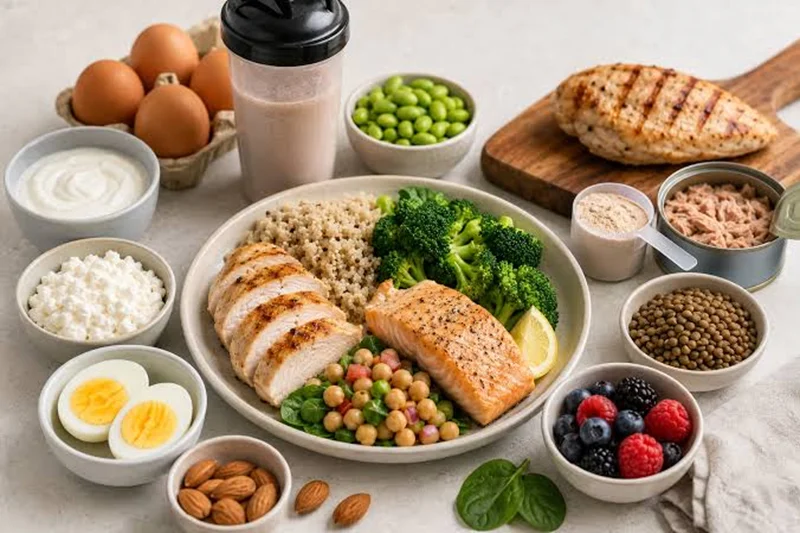
Protein does not specifically target abdominal fat, but it supports overall fat loss by improving satiety, preserving muscle, and increasing calorie expenditure.
When combined with a calorie deficit and regular exercise, many individuals notice gradual reductions in waist circumference.
Supporting Weight Loss with Modern Aesthetic Treatments
Healthy eating remains the foundation of body transformation, but some individuals struggle with stubborn fat deposits that resist diet and exercise.
In these situations, treatments such as non-surgical fat reduction in dubai may complement a healthy lifestyle by targeting localized fat while nutrition supports overall weight management and long-term maintenance.
These procedures should never replace healthy habits but can enhance body contouring goals when used appropriately.
Building Long-Term Healthy Habits
Successful weight loss is rarely the result of temporary dieting. Sustainable habits produce lasting results.
Focus on:
- Preparing meals in advance
- Prioritizing protein at every meal
- Staying hydrated
- Exercising consistently
- Sleeping seven to nine hours each night
- Managing stress effectively
- Monitoring progress rather than perfection
Consistency is far more important than following a perfect diet.
FAQ
What is a high-protein diet for weight loss?
Can eating more protein help me lose weight faster?
How much protein should I eat daily?
Can I follow a high-protein diet if I am vegetarian?
Is too much protein harmful?
Conclusion
A high protein diet for weight loss is one of the most effective nutritional strategies for reducing body fat while preserving lean muscle. By increasing fullness, supporting metabolism, and improving body composition, protein helps create sustainable and healthier weight-loss results.
When combined with regular exercise, adequate hydration, quality sleep, and realistic expectations, a protein-rich diet becomes a powerful foundation for long-term success. Whether your goal is improving overall health or complementing modern body-shaping treatments, prioritizing protein can help you achieve lasting and natural-looking results.