

Achieving significant weight loss is a remarkable accomplishment that can transform your health and confidence. However, for many, the journey does not end with a smaller number on the scale. A common, yet often unexpected challenge that follows major weight loss is the presence of loose, sagging skin. Understanding why this happens and exploring the available solutions is the first step toward feeling comfortable and confident in your new body.
Why Does Loose Skin Happen After Weight Loss?

To understand how to treat loose skin, we must first look at the biology of our skin. Skin is a resilient, elastic organ. During weight gain, the skin stretches to accommodate the body’s expansion. This process is aided by collagen and elastin—two proteins that give the skin its structure and “snap-back” ability.
When weight gain happens slowly over years, the skin is under constant tension. If that weight is lost rapidly—whether through lifestyle changes, medication, or bariatric surgery—the skin may lack the time or the inherent elasticity to retract to the body’s new, smaller dimensions. Factors like age, genetics, smoking, and sun exposure also play a significant role in how well your skin recovers.
The Role of Nutrition and Supplements in Skin Elasticity

Before jumping to medical interventions, it is crucial to address the internal support system of your skin. Collagen is the most abundant protein in the body, providing the scaffold for skin firmness.
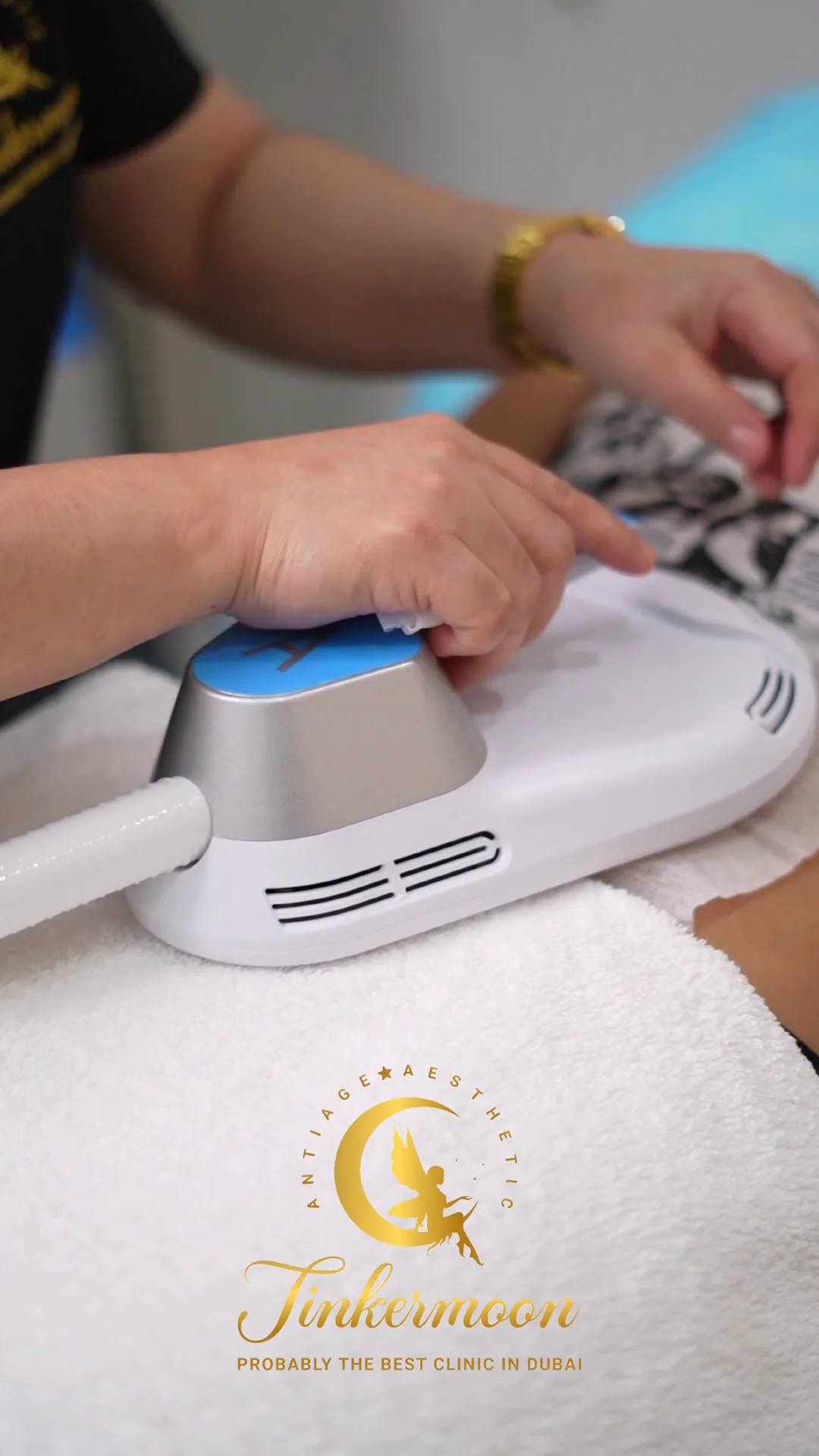
Interested in Non-Surgical Body Contouring & EMS Slimming?
Tone muscle and burn fat effortlessly with medical-grade EMS body sculpting sessions at Tinkermoon Clinic, Jumeirah 1.

Dietary Pillars for Skin Health
- Protein Intake: High-quality protein sources (lean meats, legumes, tofu) provide the amino acids necessary for skin repair.
- Vitamin C: This is a key cofactor in the synthesis of collagen. Incorporating citrus fruits, bell peppers, and berries is essential.
- Hydration: Water keeps skin cells plump. Chronic dehydration can make sagging skin look significantly more pronounced.
Targeted Supplements
While diet is primary, some individuals benefit from collagen peptides or Hyaluronic Acid supplements. These can support the structural integrity of the skin from within. Consistency is key here; skin cell turnover takes time, and results from nutritional changes are usually visible only after several months of dedicated intake.
Non-Surgical Approaches to Skin Tightening
If you are dealing with mild to moderate skin laxity, several non-surgical interventions may help improve the appearance and firmness of the skin. While these methods may not produce the dramatic results of surgery, they can be highly effective for many individuals.
Aesthetic Treatments
Modern dermatology offers advanced solutions for skin tightening:
- Radiofrequency (RF) Therapy: This treatment uses energy waves to heat the deep layers of the skin, stimulating collagen production over time.
- Ultrasound Therapy: This uses focused ultrasound energy to lift and tighten skin on the face, neck, and chest.
- Injectable Solutions: For those looking to address specific areas of volume loss that accentuate sagging, body fillers in Dubai have become a popular choice. By strategically placing fillers, practitioners can contour the body and provide a smoother transition between skin and underlying muscle.
When Is Surgery Considered?
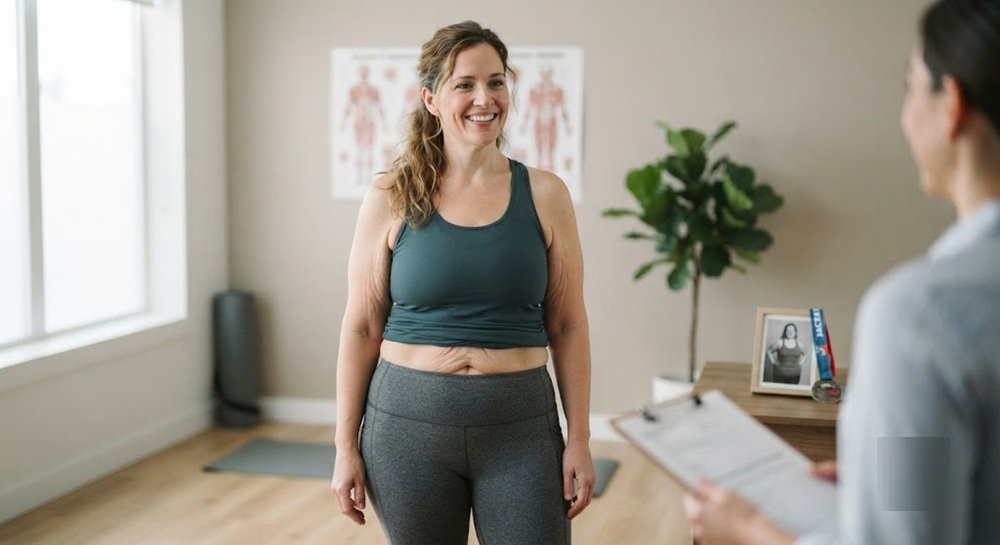
For individuals who have experienced massive weight loss (often 50 kilograms or more), surgical intervention is frequently the only way to remove significant amounts of excess skin. Sagging skin is not just an aesthetic concern; it can lead to physical discomfort, skin rashes, and recurring infections in the folds.
Liposuction may also be used to remove localized fat and improve body contours, although it does not remove significant amounts of loose skin. The types of liposuction available today use different techniques depending on the treatment area and the patient’s goals.
Common Surgical Procedures
- Abdominoplasty (Tummy Tuck): Removes excess skin and fat from the abdomen while tightening the abdominal wall muscles.
- Body Lifts: These comprehensive surgeries can address the abdomen, buttocks, and thighs simultaneously.
- Arm Lifts (Brachioplasty): Specifically targets the “bat-wing” skin hanging from the upper arms.
While surgical results are permanent and transformative, they involve a significant recovery period, scarring, and the risks associated with major operations. If you are exploring non-surgical enhancements to complement your silhouette, you might consider options like Butt Fillers in Dubai to achieve more balanced proportions after a major weight loss transformation.
Preparing for Your Consultation
Deciding to address loose skin is a personal journey. Whether you are leaning toward non-invasive tightening or considering surgical body contouring, the first step is a professional consultation. A board-certified plastic surgeon or a specialized dermatologist can assess the elasticity of your skin and your overall health to recommend a customized plan.
Be prepared to discuss your weight loss history, your current health status, and your realistic expectations. A good surgeon will prioritize your safety and explain the trade-offs between scarring and the degree of skin removal.
Conclusion
Loose skin after weight loss is a testament to the hard work you have put into your health. While it can be frustrating, it is a manageable condition. From simple lifestyle adjustments and advanced aesthetic treatments to surgical solutions, there is a path to help you achieve the final results you desire. Take your time to research, consult with experts, and prioritize a procedure that aligns with your long-term health goals.