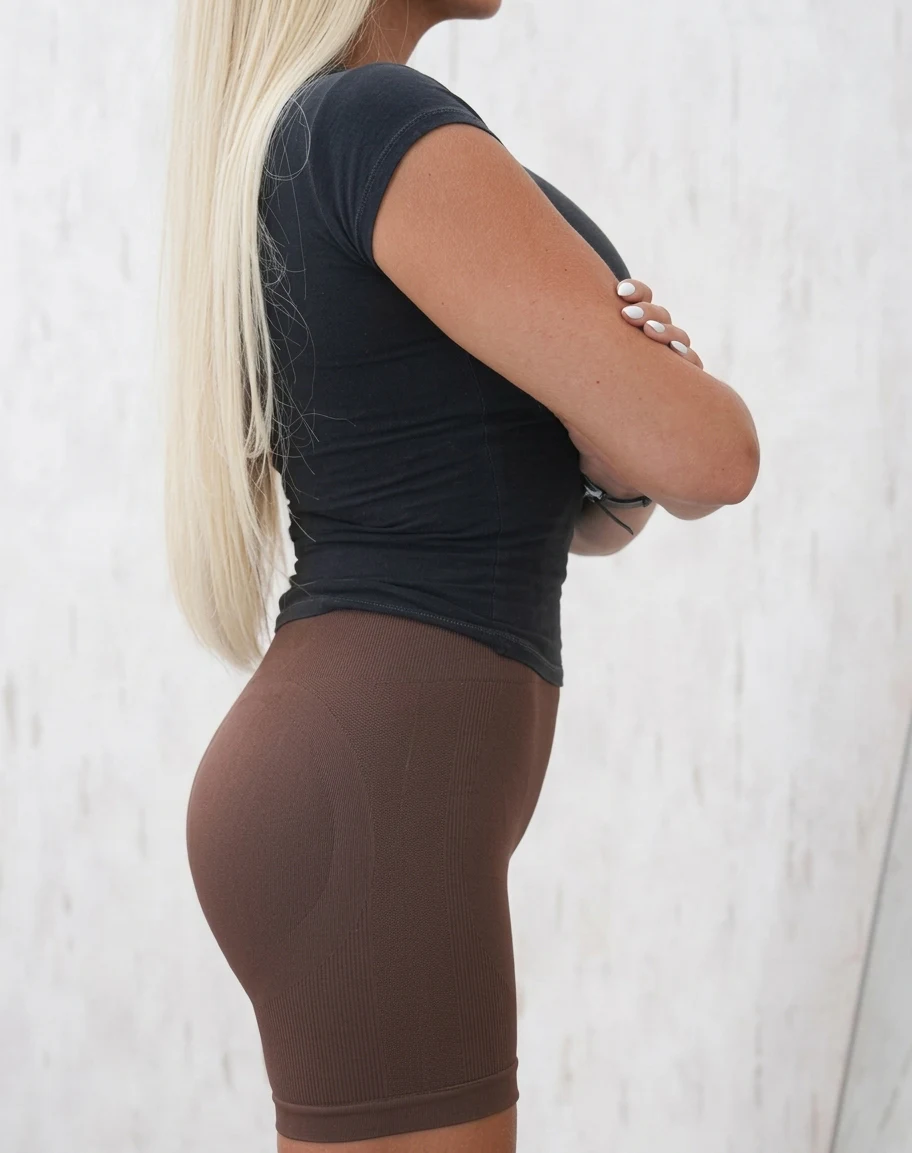


Sagging buttocks can develop due to ageing, significant weight loss, reduced muscle tone, or decreased skin elasticity. However, not all cases involve the same changes. Some people experience loose skin, while others notice reduced volume or less defined gluteal muscles. These differences play an important role in choosing the right treatment.
The best treatment for sagging buttocks depends on the underlying cause, the degree of skin laxity, and the desired results. This guide explores seven treatment options, from targeted exercises and non-surgical skin tightening to injectable procedures and surgery, including their benefits and limitations.
What Causes Sagging Buttocks?
The appearance of the buttocks depends on muscle strength, fat distribution, connective tissue, and skin elasticity. Changes in any of these structures can affect their shape and firmness.
Common causes include:
- Ageing: Reduced collagen and elastin production can make the skin less firm, while age-related muscle loss may affect buttock shape.
- Significant weight loss: Losing substantial weight can reduce fat volume and leave excess skin behind.
- Lack of physical activity: Limited resistance training can contribute to weaker gluteal muscles and reduced muscle definition.
- Genetics: Inherited differences in body structure, fat distribution, and skin elasticity influence natural buttock shape.
- Repeated weight fluctuations: Cycles of weight gain and loss can affect skin elasticity and body contours.
Identifying the underlying cause is essential because strengthening muscles cannot remove excess skin, and adding volume does not necessarily correct significant skin laxity.
مهتمة بـ فيلر المؤخرة؟
فيلر المؤخرة علاجات حقنية تُستخدم لإضافة الحجم وتحسين شكل الأرداف. توفر بديلاً غير جراحي لإجراءات مثل Brazilian Butt Lift (BBL).

Treatment Options for Sagging Buttocks
1. Glute Strengthening Exercises
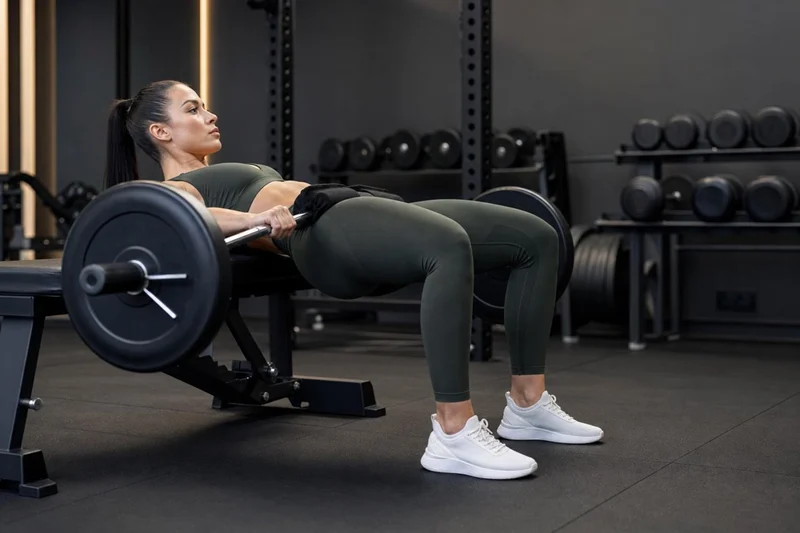
Exercise is a useful starting point for people whose buttocks appear less firm because of reduced muscle tone. The gluteal muscles support hip movement and contribute to the shape and projection of the buttocks.
Effective exercises include:
- Squats: Strengthen the glutes and other lower-body muscles.
- Hip thrusts: Target the gluteal muscles and support muscle development.
- Glute bridges: Improve glute activation and hip extension strength.
- Lunges: Work the glutes and thighs while improving lower-body stability.
Consistent resistance training can gradually improve muscle size and definition. However, exercise cannot remove loose skin or restore lost skin elasticity after substantial weight loss.
2. Maintaining a Stable Weight and Balanced Diet

Weight management supports the results of other treatments and helps maintain natural body contours. Rapid weight loss can reduce both fat and muscle volume, potentially making the buttocks appear flatter.
A balanced diet provides nutrients needed for muscle maintenance and normal skin function. Protein supports muscle repair, while vitamin C contributes to normal collagen formation. Healthy fats, fruits, vegetables, and adequate hydration also support overall health.
These habits cannot independently correct significant sagging, but they can help maintain muscle mass and reduce the effects of repeated weight fluctuations.
3. Radiofrequency Skin Tightening

Radiofrequency (RF) treatment uses controlled energy to heat targeted skin tissues. This process aims to stimulate collagen remodelling, which may gradually improve skin firmness and texture.
RF treatments may be suitable for individuals with mild skin laxity who want to improve the appearance of the buttock area without surgery. Depending on the device and treatment plan, multiple sessions may be recommended.
Results vary according to skin condition, device technology, and treatment settings. RF cannot remove substantial excess skin or provide the same degree of lifting as surgery.
4. Ultrasound Skin Tightening

Ultrasound skin tightening uses focused sound-wave energy to deliver heat to selected tissue depths. The controlled heating process aims to stimulate collagen production and support gradual skin tightening.
Unlike radiofrequency, which uses electromagnetic energy, ultrasound delivers focused acoustic energy. This difference affects how the technologies target tissue.
Ultrasound may be considered for selected cases of mild skin laxity. However, it is not a replacement for surgery when the buttocks have significant hanging skin. Treatment suitability also depends on the specific device and whether it is appropriate for the intended area.
5. Buttock Filler Injections

Buttock filler injections are intended to improve volume and contour in selected areas. They are sometimes promoted for addressing a flat appearance, minor depressions, or uneven contours.
However, injectable products differ in composition, intended use, and safety profile. Hyaluronic acid fillers add temporary volume, while collagen-stimulating substances such as poly-L-lactic acid (PLLA) are designed to stimulate collagen production over time.
It is important to distinguish volume enhancement from skin lifting. Injectable treatments do not remove excess skin or reposition sagging tissue.
There is also an important safety consideration: the US Food and Drug Administration (FDA) has not approved dermal fillers for buttock enlargement or body contouring and warns against these uses because of potentially serious complications. Anyone considering an injectable buttock treatment should verify the specific product’s regulatory status in the country where it is offered and discuss its risks with a qualified medical professional.
Learn more about buttock filler injection and the available treatment information.
6. Brazilian Butt Lift (BBL)

A Brazilian Butt Lift (BBL) is a surgical fat-transfer procedure that increases buttock volume using the patient’s own fat. Fat is typically removed from areas such as the abdomen, waist, or thighs through liposuction, processed, and transferred to the buttocks.
BBL may be considered when reduced fat volume is the main concern and the patient has sufficient donor fat. It can improve buttock projection and create a fuller contour.
However, BBL does not directly remove significant loose skin. It also carries serious surgical risks, particularly fat embolism. Patients should discuss safety protocols, including ultrasound-guided fat placement in the appropriate tissue plane, with a qualified plastic surgeon.
7. Surgical Buttock Lift

A surgical buttock lift is designed for people with significant loose or hanging skin, particularly after major weight loss or age-related changes.
During the procedure, a surgeon removes excess skin and repositions the remaining tissue to create a firmer, higher contour. The surgical technique depends on the amount and location of excess skin.
Unlike BBL, a traditional buttock lift focuses on removing loose tissue rather than adding volume. It may leave visible scars and requires recovery time. Potential complications include infection, bleeding, poor wound healing, and changes in skin sensation.
For more information about the safety of dermal fillers, the FDA explains why these products are not approved for buttock enlargement or body contouring and outlines the potential risks associated with these uses.
Which Treatment Is Best for Different Types of Sagging?
The most appropriate option depends on the underlying concern. The following comparison highlights the main purpose and limitations of each treatment.
| Main concern | Suitable options | Main limitation |
|---|---|---|
| Reduced muscle tone | Strength training | Cannot remove loose skin |
| Mild skin laxity | RF or ultrasound | Limited lifting effect |
| Reduced volume or contour irregularities | Injectable treatments, where appropriately authorised | Do not remove excess skin |
| Significant volume loss | BBL | Requires surgery and carries serious risks |
| Excess or hanging skin | Surgical buttock lift | Scarring and recovery time |
People with more than one concern may need an individualised treatment plan. For example, someone with both volume loss and loose skin may require a different approach from someone whose main concern is weak gluteal muscles.
How to Prevent Buttocks from Sagging
Although ageing and genetics cannot be controlled, certain habits can help maintain muscle strength and support skin health:
- Exercise regularly: Include glute-focused resistance training in your weekly routine.
- Maintain a stable weight: Avoid repeated cycles of rapid weight loss and regain.
- Eat enough protein: Include protein-rich foods to support muscle maintenance.
- Stay physically active: Reduce prolonged sitting and incorporate regular movement throughout the day.
- Protect your skin: Use sun protection to reduce UV-related skin damage.
These habits can support a firmer appearance but cannot completely prevent age-related skin laxity.
Frequently Asked Questions
What is the best treatment for sagging buttocks after weight loss?
Can exercise lift sagging buttocks?
Do buttock fillers tighten loose skin?
Is a Brazilian Butt Lift better than a buttock lift?
Can sagging buttocks be treated without surgery?
Conclusion
The best treatment for sagging buttocks depends on whether the main issue is reduced muscle tone, volume loss, or excess skin. Exercise and lifestyle changes can support muscle development, while selected non-surgical procedures may improve mild skin laxity. Injectable treatments and surgical procedures address different contour concerns and have their own limitations and risks.
A professional assessment is essential before choosing a treatment. Understanding the cause of sagging and setting realistic expectations can help individuals select an appropriate approach for their body and aesthetic goals.