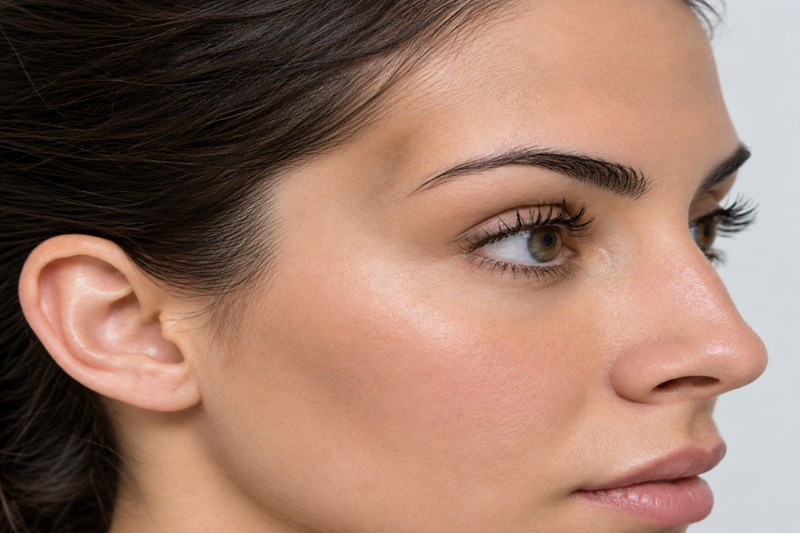


Nasolabial folds are the creases that extend from the sides of the nose to the corners of the mouth. Often called smile lines, they are a normal part of facial anatomy and may become more noticeable with age. Changes in collagen, skin elasticity, and facial volume can gradually make these folds deeper.
Although it is not possible to prevent nasolabial folds completely, certain skincare habits and lifestyle choices may help reduce premature skin aging and maintain healthier-looking skin. Understanding what influences these lines can help you choose realistic prevention strategies and recognize when professional treatments may be worth considering.
What Causes Nasolabial Folds?
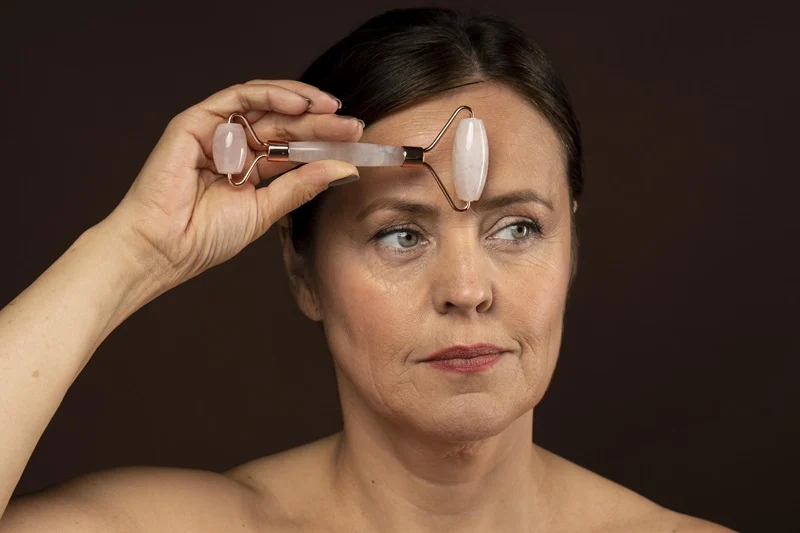
Nasolabial folds develop through a combination of facial structure, genetics, and age-related changes. Their appearance varies from person to person, and even younger adults may have naturally prominent folds.
Common contributing factors include:
- Natural aging: Collagen and elastin gradually decline, while changes in facial tissues can affect skin firmness and support.
- Sun exposure: Ultraviolet (UV) radiation contributes to collagen damage and premature skin aging.
- Smoking: Tobacco use is associated with accelerated skin aging and the development of facial wrinkles.
- Changes in facial volume: Weight loss and age-related changes in facial fat may make existing folds more noticeable.
- Genetics and facial anatomy: Bone structure, cheek volume, and inherited characteristics influence how prominent these lines appear.
How to Prevent Nasolabial Folds From Deepening
While you cannot stop the natural aging process, consistent habits may help protect your skin and reduce avoidable damage. The following measures focus on maintaining skin quality rather than promising to eliminate facial folds.
1. Use Sunscreen Every Day
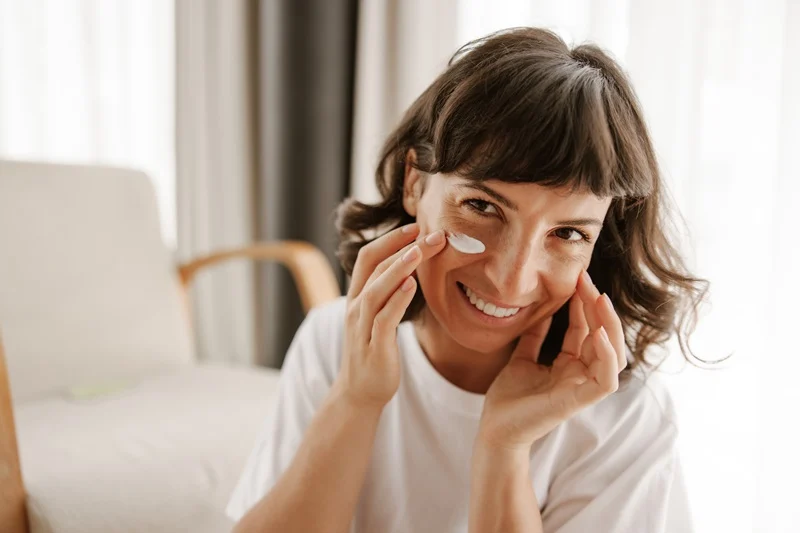
Sun protection is one of the most important steps in preventing premature skin aging. Repeated UV exposure can damage collagen and contribute to wrinkles, uneven pigmentation, and reduced skin elasticity.
Apply a broad-spectrum sunscreen with SPF 30 or higher to exposed skin every day. Reapply approximately every two hours when outdoors, and after swimming or sweating. Wearing a wide-brimmed hat and seeking shade can provide additional protection.
These habits will not prevent nasolabial folds caused by facial anatomy or aging, but they can help reduce the effects of sun-related skin damage.
مهتمة بـ الفيلر الجلدي؟
في Tinkermoon Clinic نقدّم علاجات فيلر جلدي مخصصة في دبي لاستعادة حجم الوجه وتخفيف مظهر التجاعيد وتعزيز خطوط الوجه الطبيعية دون جراحة. تُخطَّط كل جلسة بعناية حول تشريح…

2. Follow a Consistent Skincare Routine
A simple, consistent routine can support the skin barrier and improve the appearance of fine lines. Use a gentle cleanser to remove dirt and sunscreen without excessive irritation, followed by a moisturizer suited to your skin type.
Some ingredients may offer additional benefits:
- Hyaluronic acid: Attracts moisture and can temporarily make fine lines appear less noticeable.
- Retinol and other retinoids: May improve fine lines and skin texture with regular use.
- Vitamin C: Can support collagen formation and help protect against oxidative damage.
Introduce active ingredients gradually, especially if your skin is sensitive. Retinoids may cause dryness or irritation, so seek professional advice if you are unsure which formulation is appropriate. Retinoids should be avoided during pregnancy.
The American Academy of Dermatology offers additional guidance on choosing and using retinoids.
3. Avoid Smoking
Smoking contributes to premature skin aging by damaging collagen and elastin, which help maintain the skin’s structure and elasticity. Over time, this damage can make facial lines more noticeable.
Avoiding tobacco and quitting smoking can support skin health as well as overall health. Although stopping smoking will not erase existing nasolabial folds, it removes one avoidable contributor to premature wrinkles.
4. Maintain a Balanced Diet and Healthy Lifestyle

Skin health depends on adequate nutrition, sleep, and general well-being. A balanced diet containing fruits, vegetables, protein-rich foods, and healthy fats supplies nutrients needed for normal tissue maintenance.
Vitamin C supports collagen synthesis, while protein provides amino acids used in tissue repair. However, no particular food or supplement has been proven to prevent nasolabial folds specifically.
Adequate sleep and regular physical activity also support general health. Rather than relying on individual anti-aging products or supplements, focus on sustainable habits that meet your nutritional and lifestyle needs.
5. Maintain a Stable, Healthy Weight
Significant weight changes can affect facial volume and the appearance of skin folds. For some people, substantial weight loss reduces facial fullness and makes nasolabial folds more visible. The effect depends on individual anatomy, age, and skin elasticity.
Maintaining a healthy, relatively stable weight may reduce fluctuations in facial appearance, but weight stability does not guarantee that these lines will not deepen. Avoid extreme dieting or rapid weight loss solely to change facial appearance.
Which Prevention Methods Actually Help?
Not every popular anti-aging technique has the same level of evidence. The table below summarizes what common approaches can realistically do.
| Method | Potential benefit | Important limitation |
|---|---|---|
| Daily sunscreen | Helps prevent UV-related collagen damage | Cannot stop natural aging |
| Moisturizer | Improves hydration and the appearance of fine lines | Does not restore lost facial volume |
| Retinoids | May improve fine lines and skin texture | Results take time; irritation is possible |
| Balanced nutrition | Supports normal skin function | No diet specifically prevents nasolabial folds |
| Avoiding smoking | Reduces an avoidable contributor to premature aging | Does not remove established folds |
| Facial exercises and massage | May temporarily affect relaxation or appearance | Evidence for preventing these folds is limited |
H2: Best Skincare Products to Help Prevent Premature Skin Aging
1. The Ordinary Hyaluronic Acid 2% + B5 (with Ceramides)

The Ordinary Hyaluronic Acid 2% + B5 is a hydrating serum formulated with multiple forms of hyaluronic acid, vitamin B5, and ceramides. It helps attract moisture, support the skin barrier, and improve the appearance of dehydration-related fine lines. With consistent use, hydrated skin may look smoother and plumper, although the serum cannot eliminate deep nasolabial folds or prevent natural facial aging.
2. CeraVe Skin Renewing Retinol Serum
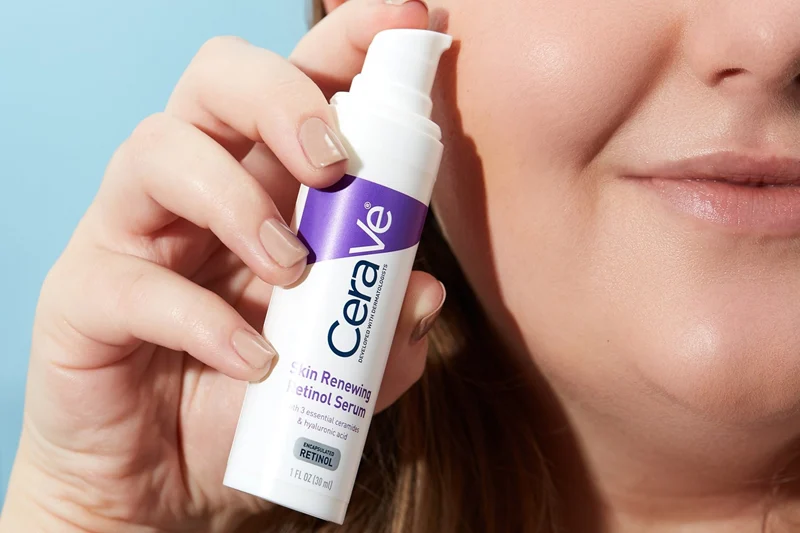
CeraVe Skin Renewing Retinol Serum is designed to improve the appearance of fine lines and uneven skin texture. Its retinol helps support skin renewal, while ceramides help maintain the skin barrier. This product may suit people looking to address early signs of aging, but retinol can cause irritation, so gradual introduction and daily sunscreen use are important.
3. Beauty of Joseon Revive Serum: Ginseng + Snail Mucin
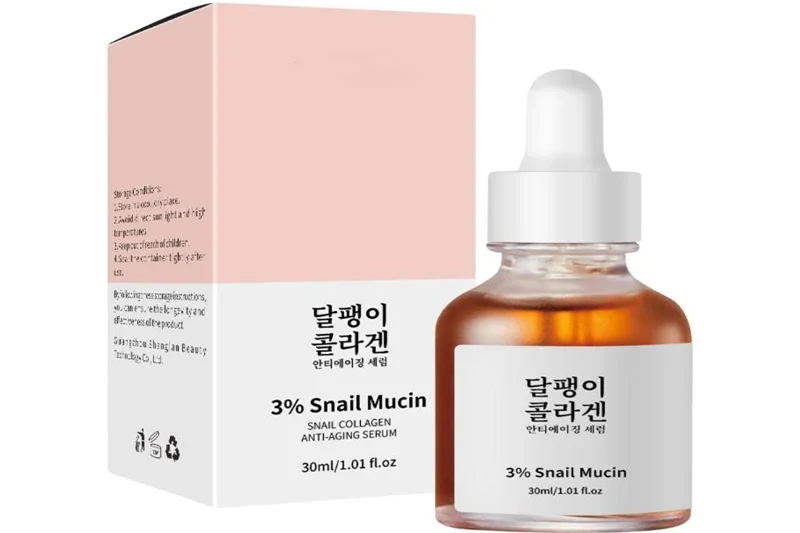
Beauty of Joseon Revive Serum combines ginseng root water with snail secretion filtrate to hydrate the skin and improve its supple appearance. The lightweight serum is designed for skin that looks dull, dry, or less elastic. It can complement a skincare routine focused on maintaining skin hydration, but evidence that this specific product prevents nasolabial folds is limited.
4. Medicube Age-R PDRN Pink Peptide Serum
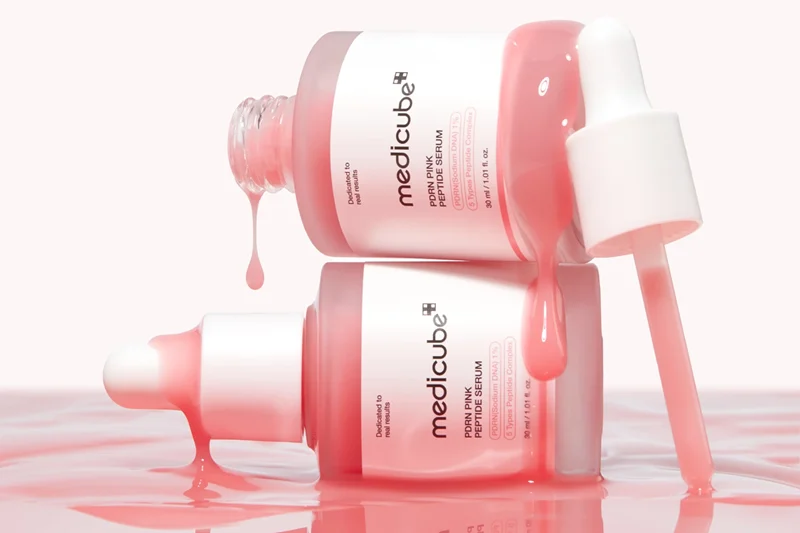
Medicube Age-R PDRN Pink Peptide Serum is a Korean skincare product formulated with PDRN and peptides to support skin hydration and improve the appearance of skin texture. It is marketed for skin that looks dull or lacks firmness, making it a relevant option for readers exploring products for early signs of aging. However, evidence that this specific serum prevents nasolabial folds or significantly reduces deep facial creases is limited. Consistent sunscreen use and a suitable skincare routine remain important for maintaining skin quality.
When Should You Consider Professional Treatment?
Skincare and lifestyle changes can support skin health, but they may not significantly reduce established nasolabial folds. If these lines become more noticeable, a qualified medical professional can assess your facial structure and discuss suitable treatments.
Dermal fillers may help soften the appearance of nasolabial folds by adding volume or supporting surrounding facial tissues. Results are temporary, and treatment carries risks, including bruising, swelling, and rare but serious vascular complications. A qualified practitioner can explain the potential benefits and risks and determine whether treatment is appropriate for you.
Can You Prevent Nasolabial Folds Completely?
No. Nasolabial folds are influenced by genetics, facial anatomy, facial movements, and natural age-related changes. No skincare product, diet, exercise, or cosmetic procedure can guarantee that they will never develop or deepen.
The realistic goal is to reduce avoidable skin damage and maintain skin quality over time. Daily sun protection, consistent moisturizing, avoiding smoking, and using evidence-informed skincare products can help address some contributors to premature aging. When established folds become a concern, professional assessment can help determine whether treatment is appropriate.
Conclusion
Although it is not possible to prevent nasolabial folds completely, consistent skincare and healthy lifestyle habits can help reduce premature skin aging and maintain skin quality. Daily sunscreen, adequate hydration, and avoiding smoking are practical steps to protect your skin over time. If existing folds become more noticeable, professional treatments such as dermal fillers may help soften their appearance. A qualified medical professional can help you understand which options suit your facial structure and aesthetic goals. The key is to focus on realistic expectations and long-term skin health rather than trying to eliminate a natural feature of the face.