
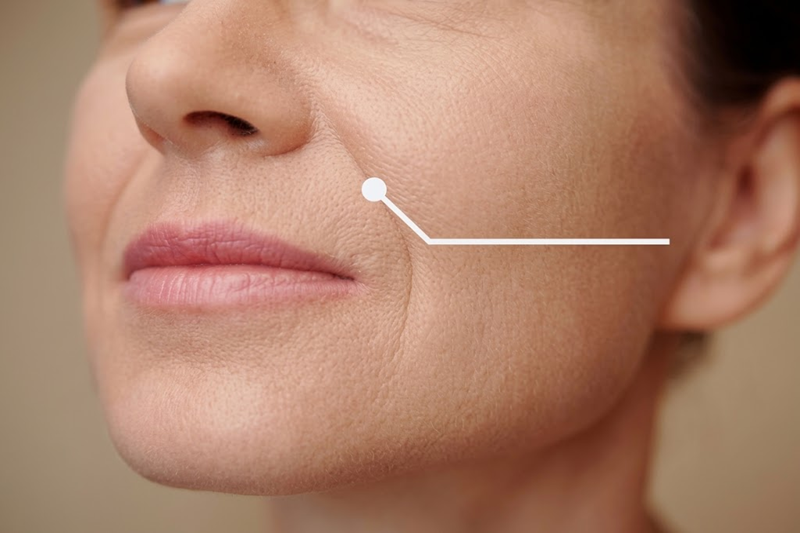
Nasolabial folds are the lines that extend from the sides of the nose to the corners of the mouth. Although they are a natural feature of the face, they may become more noticeable with age as facial volume, collagen levels, and skin elasticity change.
Sculptra for Nasolabial Folds is an injectable treatment designed to stimulate collagen production and improve the appearance of these lines over time. Unlike hyaluronic acid (HA) fillers, which add volume directly, Sculptra works gradually to support the skin’s underlying structure.
So, does it work? Clinical evidence supports its use for improving nasolabial fold appearance, but results vary. Understanding its benefits, limitations, and potential risks can help you decide whether it suits your aesthetic goals.
What to Expect During Sculptra Treatment

Sculptra treatment begins with a consultation to assess facial anatomy, the depth of the nasolabial folds, and the patient’s aesthetic goals. The treatment plan depends on the degree of volume loss and the areas that may benefit from collagen stimulation.
During the procedure, a qualified medical professional injects Sculptra into selected areas using an appropriate injection technique. More than one treatment session may be recommended to achieve the desired improvement, depending on the individual’s needs and response to treatment.
After the procedure, patients should follow their provider’s aftercare instructions and attend any recommended follow-up appointments. Because Sculptra works gradually, treatment planning focuses on progressive improvement rather than immediate correction of nasolabial folds.
مهتمة بـ الفيلر الجلدي؟
في Tinkermoon Clinic نقدّم علاجات فيلر جلدي مخصصة في دبي لاستعادة حجم الوجه وتخفيف مظهر التجاعيد وتعزيز خطوط الوجه الطبيعية دون جراحة. تُخطَّط كل جلسة بعناية حول تشريح…

How Does Sculptra Work for Nasolabial Folds?
Sculptra Aesthetic contains poly-L-lactic acid (PLLA), a synthetic, biodegradable polymer that stimulates the body’s collagen-building response. Collagen is a structural protein that helps maintain skin firmness and support.
After injection, Sculptra gradually stimulates collagen production, which may improve facial volume and soften the appearance of nasolabial folds.
Unlike hyaluronic acid fillers, Sculptra does not provide the same immediate, targeted volume correction. Early fullness may partly result from temporary swelling or the treatment solution rather than newly produced collagen.
The FDA’s Sculptra documentation includes information about its use for correcting shallow to deep nasolabial fold contour deficiencies.
Does Sculptra for Nasolabial Folds Actually Work?
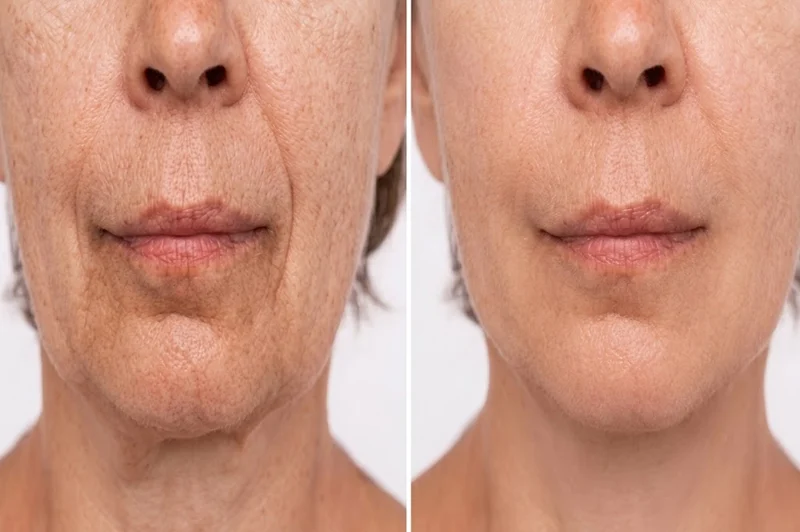
Yes. Clinical evidence supports Sculptra’s ability to improve nasolabial folds in appropriately selected patients. However, the degree of improvement depends on fold severity, facial anatomy, injection technique, and individual response.
These findings support the potential for long-term improvement, but they do not guarantee the same results for every patient. Sculptra may be appropriate for people seeking gradual improvement, while other treatments may better suit those who need more targeted correction.
Sculptra vs. Dermal Fillers for Nasolabial Folds
Sculptra and hyaluronic acid fillers can both improve the appearance of nasolabial folds, but they work differently.
| Feature | Sculptra | Hyaluronic Acid Fillers |
|---|---|---|
| How it works | Stimulates collagen production | Adds volume directly |
| Onset of results | Gradual | Usually visible soon after injection |
| Treatment sessions | Often multiple | Depends on the product and treatment plan |
| Main benefit | Progressive improvement in facial volume | Targeted correction of specific folds |
| Reversibility | Cannot be dissolved like HA fillers | Many HA fillers can be dissolved with hyaluronidase |
Neither treatment is universally better. The choice depends on the patient’s facial anatomy, desired results, and clinical assessment.
When Are Hyaluronic Acid Fillers a Better Option?
Hyaluronic acid fillers may be preferable when nasolabial folds require precise, localized volume correction and the patient wants to see results soon after treatment. Many HA fillers can also be adjusted or dissolved with hyaluronidase when medically appropriate.
Sculptra, on the other hand, may suit patients who prefer gradual improvement through collagen stimulation. However, it is not a direct substitute for every type of filler treatment, and its results cannot be reversed by dissolving the product. A qualified medical professional can assess the underlying cause of the folds and recommend the most appropriate approach.
For a more detailed comparison, read Tinkermoon Clinic’s guide to Sculptra vs Filler.
Sculptra treatment for nasolabial folds before and after?
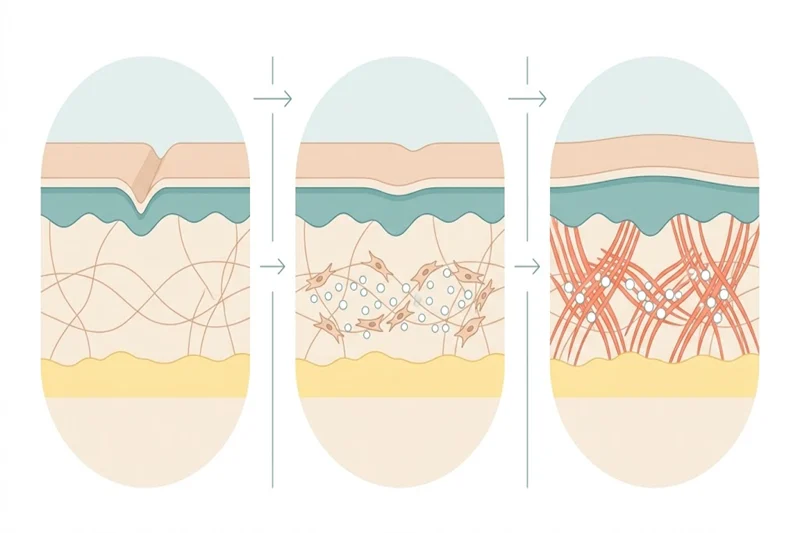
Sculptra results develop progressively over weeks and months as collagen production increases. Although some initial fullness may appear immediately after treatment, it should not be confused with the longer-term result.
The treatment plan may involve several sessions, depending on the patient’s needs and response. Follow-up appointments allow the practitioner to assess progress and determine whether additional treatment is appropriate.
How Long Do Sculptra Results Last?
Sculptra can provide long-lasting improvement, but its effects are not permanent. In the FDA’s five-year post-approval study, the average improvement in nasolabial fold severity gradually decreased over time, even though improvements remained statistically significant at follow-up assessments.
Individual results vary according to treatment response, facial anatomy, and the natural aging process. Maintenance treatment may be considered when appropriate, based on a professional assessment rather than a fixed schedule.
What Are the Risks and Side Effects of Sculptra?
Common side effects include temporary swelling, redness, bruising, tenderness, and discomfort around injection sites.
Small bumps or nodules beneath the skin may also develop, sometimes weeks or months after treatment. Persistent nodules require medical evaluation.
More serious complications are possible with facial injections, including infection and rare vascular complications that can cause tissue injury or other serious harm.
Can Sculptra and Dermal Fillers Be Combined?
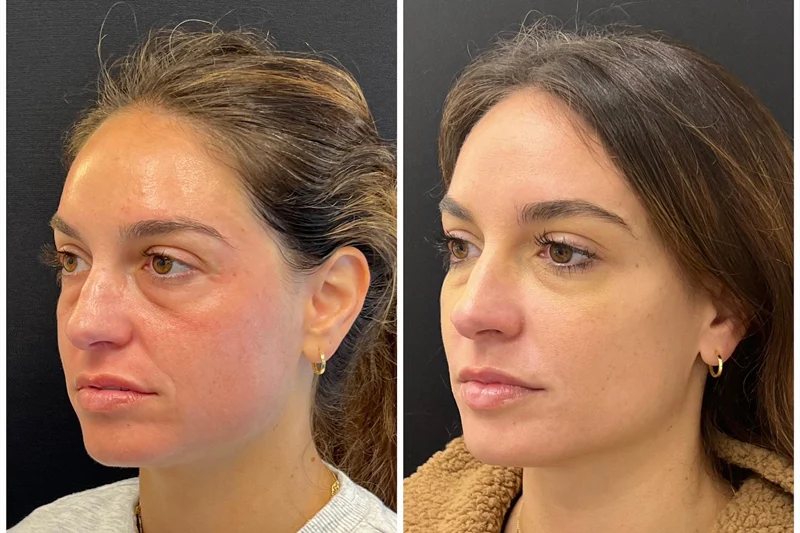
In selected cases, Sculptra and hyaluronic acid fillers may be used in an individualized facial rejuvenation plan. Sculptra stimulates collagen production, while an HA filler can provide more direct volume correction in specific areas.
Combining treatments is not necessary for everyone. The products, injection sites, and timing should be selected by a qualified medical professional after evaluating the patient’s needs and potential risks.
Frequently Asked Questions
Is Sculptra better than filler for nasolabial folds?
How many Sculptra sessions are needed?
Can Sculptra completely remove nasolabial folds?
Is Sculptra permanent?
Is there downtime after Sculptra?
Final Thoughts
Sculptra can help improve the appearance of nasolabial folds by stimulating collagen production over time. However, its gradual effects may not be ideal for everyone, particularly those seeking immediate, targeted correction.
Hyaluronic acid fillers offer a different approach by adding volume directly to specific areas. The most appropriate treatment depends on the depth of the folds, facial anatomy, and individual treatment goals. Understanding these differences can help patients make informed decisions about their options.