


Are dermal fillers safe? Yes, dermal fillers are generally considered safe when approved products are used and the treatment is performed by a qualified medical professional. However, like any aesthetic procedure, fillers can cause temporary side effects and, rarely, more serious complications.
Understanding dermal filler safety, potential risks, and proper treatment planning can help you make an informed decision before treatment.
Are Dermal Fillers Safe?
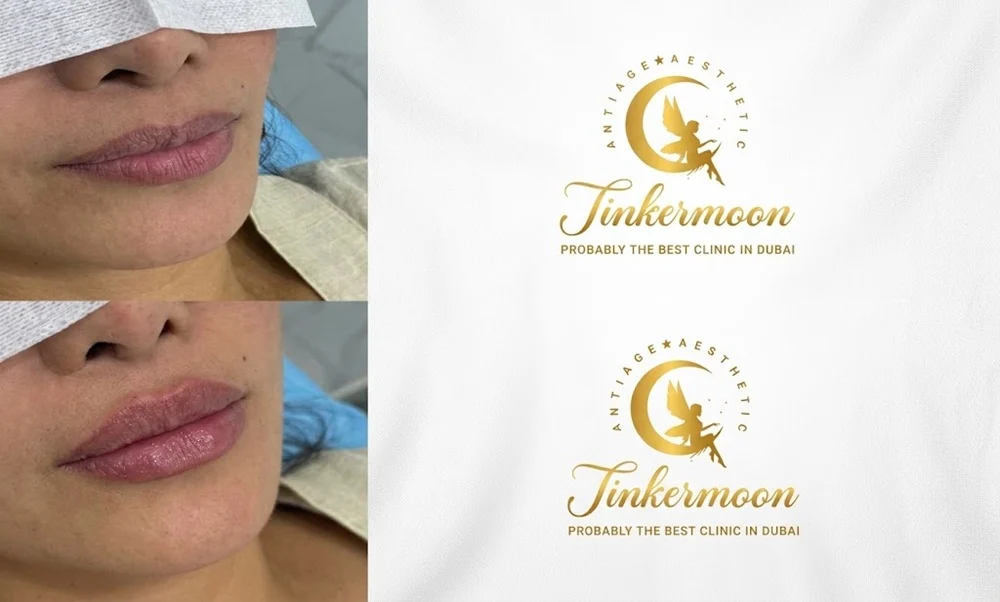
Yes, dermal fillers are generally safe when performed by qualified professionals using approved products and appropriate techniques.
Dermal fillers are injectable treatments used to restore lost volume, enhance facial contours, and improve the appearance of certain lines and wrinkles. The safety of treatment depends on factors such as the product used, injection technique, and the provider’s experience.
When properly performed, dermal filler treatment typically involves:
- A minimally invasive procedure
- Little to no downtime
- A relatively quick treatment session
- Temporary or reversible results depending on the filler used
Common Side Effects of Dermal Fillers
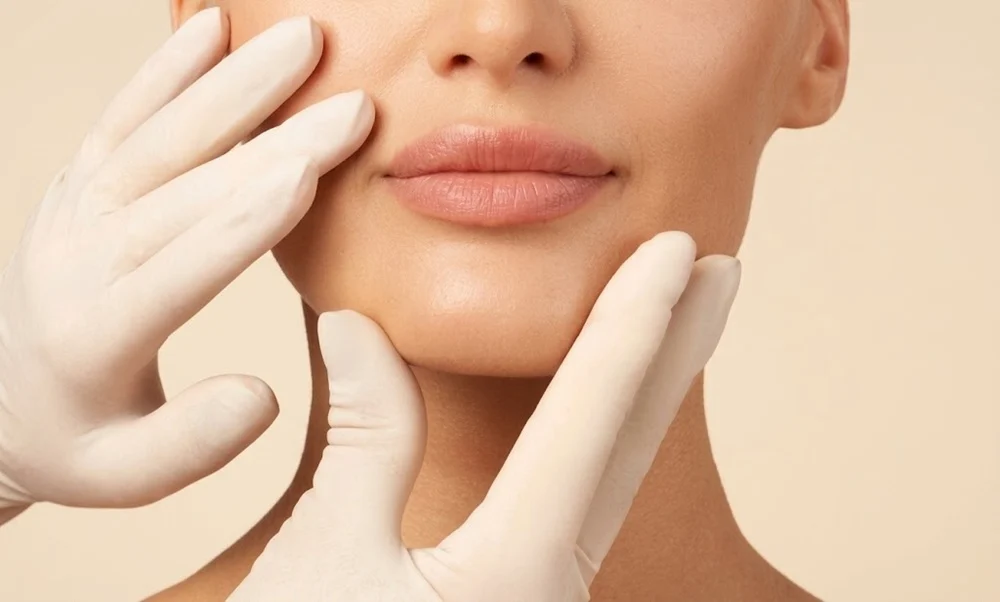
Most dermal fillers side effects are mild and temporary. They usually appear around the injection area and improve as the skin recovers.
Common side effects include:
- Swelling
- Redness
- Bruising
- Tenderness
- Mild discomfort
- Temporary sensitivity
These effects often improve within several days, although the recovery time can vary depending on the treatment area and the individual.
Interested in Dermal Fillers & Face Contouring?
Restore youthful volume and structural definition with premium hyaluronic acid dermal fillers at Tinkermoon Clinic.

What Are the Risks of Dermal Fillers?
Although serious complications are uncommon, dermal filler risks should always be discussed during a consultation.
Potential complications may include:
- Infection
- Lumps or irregularities
- Asymmetry
- Prolonged swelling
- Allergic reactions
- Vascular complications
Vascular complications are rare but can be serious. They can occur if filler is unintentionally injected into or placed under pressure around a blood vessel. This is one reason why choosing an experienced, qualified injector is essential.
What Makes Dermal Fillers Safe or Unsafe?
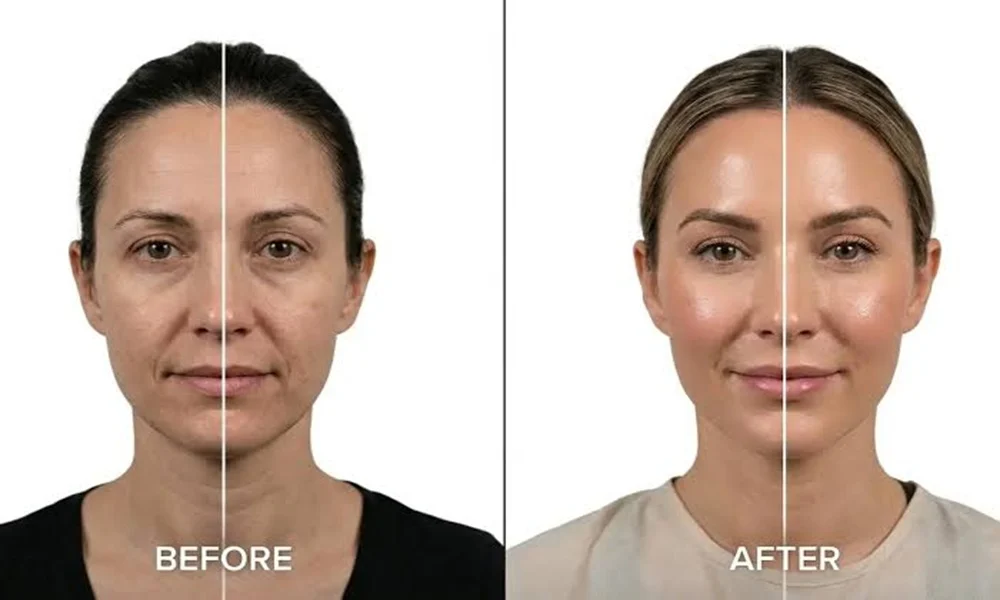
Several factors can affect dermal filler safety, including:
- The experience and qualifications of the injector
- The quality and approval status of the filler
- Proper injection technique
- Appropriate product selection
- Sterile treatment conditions
- A thorough medical consultation
- Following recommended aftercare
Choosing a qualified provider is particularly important because facial anatomy varies from person to person, and treatment should be planned according to the patient’s individual needs.
Are Dermal Fillers Reversible?
Some dermal fillers, particularly hyaluronic acid fillers, can be dissolved with an appropriate enzyme when medically necessary. This can provide an additional level of flexibility if a correction is required.
However, not every type of filler is reversible in the same way. Your provider should explain which product is being used, how long it is expected to last, and what options are available if complications or unwanted results occur.
Dermal Fillers vs Botox: What’s the Difference?
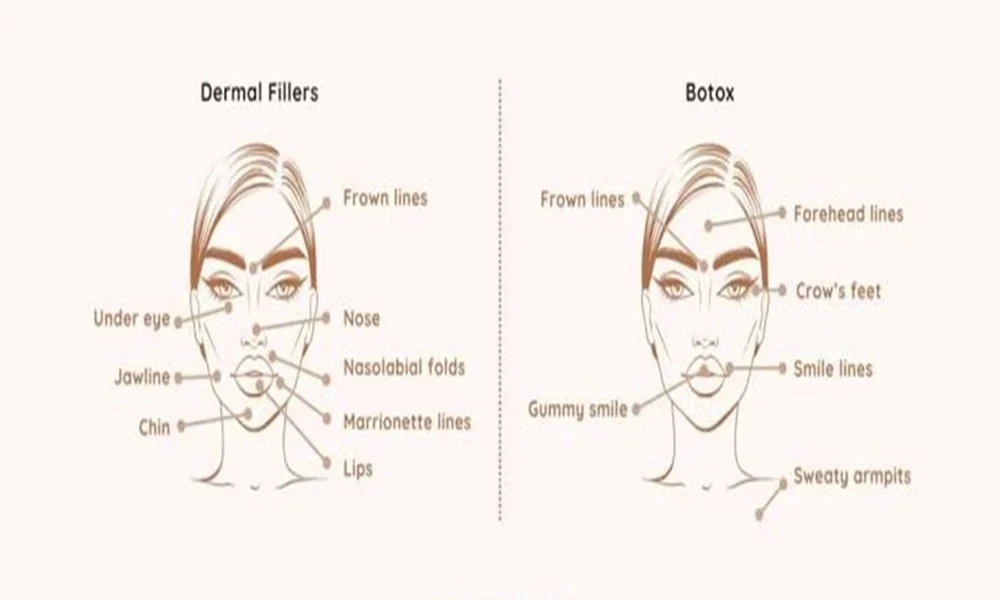
Dermal fillers and Botox work in different ways, so the right option depends on the concern being treated.
Fillers are primarily used to restore volume and enhance or define facial features, while Botox works by temporarily relaxing targeted muscles.
If you’re comparing the two treatments, read Botox vs Fillers: Which One Do You Need? to understand their key differences.
You can also explore Botox treatment in Dubai for more information about the treatment.
How to Choose a Safe Dermal Filler Clinic in Dubai
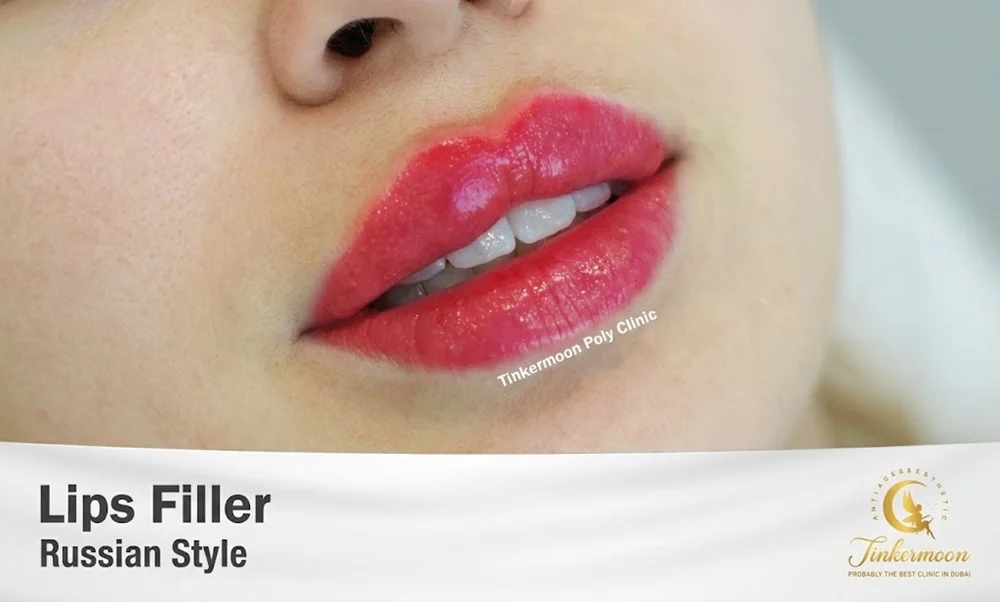
Choosing the right provider is one of the most important steps for a safe treatment experience.
Before getting dermal fillers in Dubai, consider:
- Checking the provider’s qualifications and experience
- Asking which filler product will be used
- Having a proper consultation before treatment
- Reviewing relevant before-and-after results
- Asking about possible side effects and aftercare
- Being cautious of unusually low prices
A consultation allows the provider to assess your facial anatomy, discuss your goals, and determine whether dermal fillers are appropriate for you.
Who Should Avoid Dermal Fillers?
Dermal fillers may not be suitable for everyone. Treatment may need to be postponed or avoided depending on individual circumstances, including certain medical conditions, active skin infections, allergies to specific filler ingredients, pregnancy, or breastfeeding.
A qualified medical professional should assess your individual situation before treatment rather than relying on general eligibility guidelines.
Thinking About Dermal Fillers in Dubai?
Dermal fillers can provide natural-looking facial enhancement when the treatment is properly planned and performed by a qualified professional.
If you’re considering fillers, a consultation can help you understand the most suitable product, expected results, potential risks, and aftercare requirements.
Book a consultation with Tinkermoon Clinic to discuss your treatment options.
Conclusion
So, are dermal fillers safe? In most cases, yes. Dermal fillers have a good safety profile when approved products are used and treatment is performed by a qualified, experienced professional. Mild swelling, redness, and bruising are common, while serious complications are rare but possible.
Choosing a qualified provider, having a proper consultation, and following aftercare instructions can help reduce unnecessary risks and support natural-looking results.