


When it comes to breast health, breast density and size are often confused with one another. A larger breast is not necessarily denser, and a smaller breast can have a higher proportion of dense tissue. These are two different characteristics that describe different aspects of breast anatomy.
Breast size generally refers to the overall volume and shape of the breasts, while breast density describes the proportion of fibroglandular tissue compared with fatty tissue. Understanding this difference is particularly important because breast density can affect how breast tissue appears on a mammogram and may be associated with breast cancer risk.
So, does breast size determine breast density? Not necessarily. Let’s explore what breast density means, how it is classified, what influences it, and why understanding the difference between breast density and size matters.
What Is Breast Density and Why Does It Matter?

Breast density refers to the relative amount of fibroglandular tissue in the breasts compared with fatty tissue.
Fibroglandular tissue includes the milk glands and ducts, as well as supporting connective tissue. Fatty tissue, on the other hand, appears differently on breast imaging and makes up a varying proportion of breast volume from person to person.
Breast density is usually assessed through a mammogram rather than by looking at the breasts or feeling them during a physical examination.
It is important because dense breast tissue can make some abnormalities harder to see on a mammogram. In addition, higher breast density is considered one of several factors associated with an increased risk of breast cancer.
However, dense breasts do not mean that someone has cancer. Breast density is simply one characteristic of breast tissue that should be considered alongside other individual risk factors.
Interested in Breast Fillers & Natural Contouring?
Discover non-surgical breast enhancement and symmetry restoration at Tinkermoon Clinic, Century Plaza, Jumeirah 1.

Breast Density and Size: What’s the Difference?
The terms breast density and size describe two completely different things.
Breast size refers primarily to the overall volume of the breasts. It can be influenced by genetics, body weight, hormones, pregnancy, breastfeeding, and changes in body composition.
Breast density, however, refers to the composition of breast tissue. It reflects how much fibroglandular tissue is present compared with fatty tissue.
This means that breast size alone cannot tell you whether breasts are dense.
For example, a person with large breasts may have a relatively high proportion of fatty tissue, while someone with smaller breasts may have a greater proportion of fibroglandular tissue.
Why Breast Size Does Not Tell You Breast Density
There is no simple relationship between cup size and breast density.
Two people with the same breast size can have completely different tissue compositions. Likewise, breast size can change over time without producing the same change in breast density.
This is why breast density is determined through breast imaging rather than by breast size, appearance, or cup size.
Breast Density Levels: What Do They Mean?
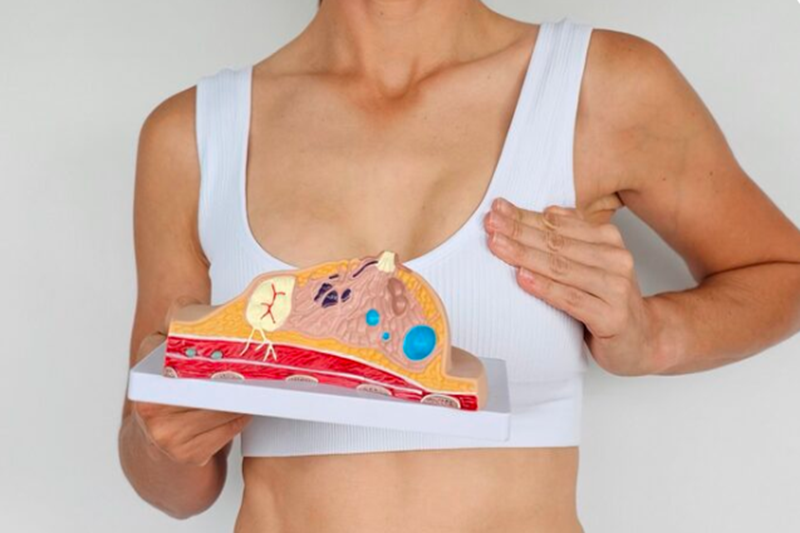
One of the most important things to understand about breast density is that it is generally categorized based on how much fibroglandular tissue is visible on a mammogram.
Radiologists commonly describe breast density using four categories:
A: Almost Entirely Fatty
In this category, the breasts are composed mostly of fatty tissue, with relatively little fibroglandular tissue.
Mammographic images are generally easier to interpret when there is a large amount of fatty tissue because differences between normal breast tissue and potential abnormalities can be more visible.
B: Scattered Areas of Fibroglandular Density
This means that most of the breast tissue is fatty, but there are scattered areas of fibroglandular tissue.
This is a common breast density pattern and is generally not considered heterogeneously or extremely dense.
C: Heterogeneously Dense
In this category, there are larger areas of fibroglandular tissue throughout the breasts.
This density can make certain abnormalities more difficult to detect on a mammogram because dense tissue and some breast abnormalities can both appear white on the image.
D: Extremely Dense
The breasts are composed predominantly of fibroglandular tissue.
Extremely dense breast tissue can reduce the sensitivity of mammography and is also associated with a higher risk of breast cancer compared with lower breast density categories.
It is important to remember that these categories describe breast tissue composition, not breast size or breast shape.
Can Breast Size Predict Breast Density?
No. Breast size cannot reliably predict breast density.
Although it might seem logical that larger breasts contain more tissue and therefore must be denser, density is based on the proportion of fibroglandular tissue, not simply the total amount of breast tissue.
A large breast can contain a substantial amount of fatty tissue and therefore be classified as less dense. Conversely, a smaller breast can have a higher proportion of fibroglandular tissue.
This is one of the most important distinctions when discussing breast density and size.
Does Cup Size Affect Breast Density?
Cup size is not a reliable indicator of breast density.
Cup sizes can also vary between brands and depend on factors such as chest circumference, breast shape, and bra design. Because of this, cup size should never be used to estimate breast density.
The most reliable way to determine breast density is through mammographic assessment by a qualified radiologist.
What Factors Affect Breast Density?
Breast density can vary from person to person and may change throughout life. Age, hormonal changes, genetics, body composition, pregnancy, breastfeeding, and menopause can all influence the amount of fibroglandular tissue in the breasts.
Breast density often decreases with age, particularly after menopause, but this does not happen at the same rate for everyone. Because several factors can affect density, it is best determined through mammography rather than by breast size or appearance alone.
How Does Breast Density Change Over Time?
Breast density is not necessarily permanent.
For many people, breast density changes gradually throughout adulthood. Younger women are more likely to have denser breast tissue, while breast density often decreases with age.
Pregnancy, breastfeeding, hormonal changes, and menopause can also affect breast tissue.
Because density can change, the result of one mammogram does not necessarily predict what future mammograms will show.
Regular breast screening, when recommended based on age and individual risk, can help healthcare professionals monitor changes over time.
Breast Density and Mammograms: Why Does It Matter?
Breast density is particularly relevant to mammography.
On a mammogram, fatty tissue generally appears darker, while fibroglandular tissue appears white. Some abnormalities, including many breast cancers, can also appear white.
When the breasts are dense, the contrast between normal tissue and a potential abnormality can therefore be reduced.
This does not mean that mammography is ineffective for people with dense breasts. Mammography remains an important breast cancer screening tool. Instead, breast density is one factor that healthcare professionals may consider when determining whether additional screening or individualized follow-up is appropriate.
Does Dense Breast Tissue Mean a Higher Cancer Risk?
Higher breast density is associated with an increased risk of breast cancer compared with lower breast density.
However, breast density is only one risk factor.
Other factors, such as age, family history, genetic factors, previous breast conditions, and personal medical history, may also influence overall risk.
If you have been told that you have dense breasts, it does not mean you have breast cancer. It means that your breast tissue has a particular composition that may be relevant to screening and risk assessment.
Can You Change Breast Density?
There is no simple lifestyle method that can reliably and intentionally change breast density.
Because breast density is influenced by age, hormones, genetics, and other biological factors, it should not be treated like body weight or muscle mass.
If you have questions about your breast density, the most appropriate approach is to discuss your mammogram results and individual risk factors with your healthcare professional.
It is also important not to make decisions about stopping or changing prescribed medications solely because of breast density without speaking with your doctor.
Does Breast Density Affect Breast Size?

Breast density and breast size can exist independently.
Breast size is influenced by the total amount of tissue, including fat and fibroglandular tissue. Breast density reflects the relative proportion of fibroglandular tissue.
As a result, changes in breast size do not automatically indicate changes in density.
For example, weight loss may reduce breast volume in some people because of changes in fatty tissue, but this does not necessarily mean that breast density will change in a predictable way.
Similarly, an increase in breast volume does not automatically mean that the breasts have become denser.
What About Breast Volume and Cosmetic Treatments?
Cosmetic procedures that alter breast volume are different from changes in natural breast tissue composition.
For example, when discussing aesthetic options such as breast filler, the goal is generally related to appearance and volume rather than changing the natural mammographic classification of breast density.
If you are considering an aesthetic breast treatment, it is important to discuss your medical history, previous breast imaging, and any upcoming screening with a qualified medical professional.
For people specifically researching aesthetic options, information about breast filler dubai should also be evaluated from a medical rather than purely cosmetic perspective, particularly regarding suitability, safety, and appropriate imaging follow-up.
When Should You Talk to a Doctor About Breast Density?
You should discuss your breast density with your healthcare provider if:
- Your mammogram reports heterogeneously or extremely dense breast tissue.
- You have questions about your individual breast cancer risk.
- You have a strong family history of breast cancer.
- You notice a new breast lump or persistent change.
- You experience unexplained nipple discharge or other concerning breast changes.
- You are unsure whether additional screening is appropriate.
- You are considering a breast procedure and want to understand how it may affect future imaging.
Breast density is only one part of the overall picture. Your healthcare provider can help interpret it in the context of your personal risk factors and screening history.
Frequently Asked Questions About Breast Density and Size
Is breast density the same as breast size?
Are larger breasts more likely to be dense?
Can you tell if your breasts are dense by touching them?
Does dense breast tissue mean you have cancer?
Does breast density decrease with age?
Can weight loss change breast density?
Why is breast density included in mammogram reports?
Final Thoughts
Breast density and size are not the same. Breast size describes volume, while density reflects the proportion of fibroglandular tissue. Breast density can change with age, hormones, genetics, and other factors.
If your mammogram shows dense breasts, discuss the result with your healthcare provider to understand what it means for your individual screening and risk.