


The best breast reduction technique isn’t necessarily the one that removes the most tissue—it’s the one that fits your breast size, shape, skin quality, and desired outcome. If you’re considering breast reduction, understanding the differences between the main surgical techniques can help you know what to expect and why your surgeon may recommend one approach over another.
From liposuction-only reduction to vertical and Wise pattern techniques, each option is designed for different levels of breast volume, sagging, and reshaping. In this guide, we’ll compare the most common breast reduction techniques so you can better understand which approach may suit your body and goals.
Understanding Breast Reduction Surgery

Breast reduction surgery removes excess breast tissue, fat, and skin to create smaller, lighter, and more proportionate breasts. It can also help relieve physical symptoms associated with overly large breasts, including neck, shoulder, and back discomfort.
However, the surgical technique used to achieve these results varies from patient to patient. The main options include liposuction-only breast reduction, vertical (lollipop) reduction, and Wise pattern reduction.
Interested in Breast Aesthetics & Enhancement?
Book a confidential clinical consultation for breast aesthetics and contouring at Tinkermoon Clinic, Century Plaza.

Common Breast Reduction Techniques Explained
Liposuction-Only Breast Reduction

Liposuction-only breast reduction uses small incisions to remove excess fatty tissue from the breasts. Because it does not involve removing large amounts of skin or repositioning the nipple, it generally results in less visible scarring than surgical reduction techniques.
This approach may be suitable for women who:
- Have a significant amount of fatty breast tissue
- Have good skin elasticity
- Want a relatively modest reduction
- Have little or no significant breast sagging
- Prefer a less invasive approach
However, liposuction cannot remove excess skin or significantly reshape a sagging breast. Patients with substantial skin laxity or a need for major tissue removal may require a surgical breast reduction technique instead.
Vertical Breast Reduction (Lollipop Technique)
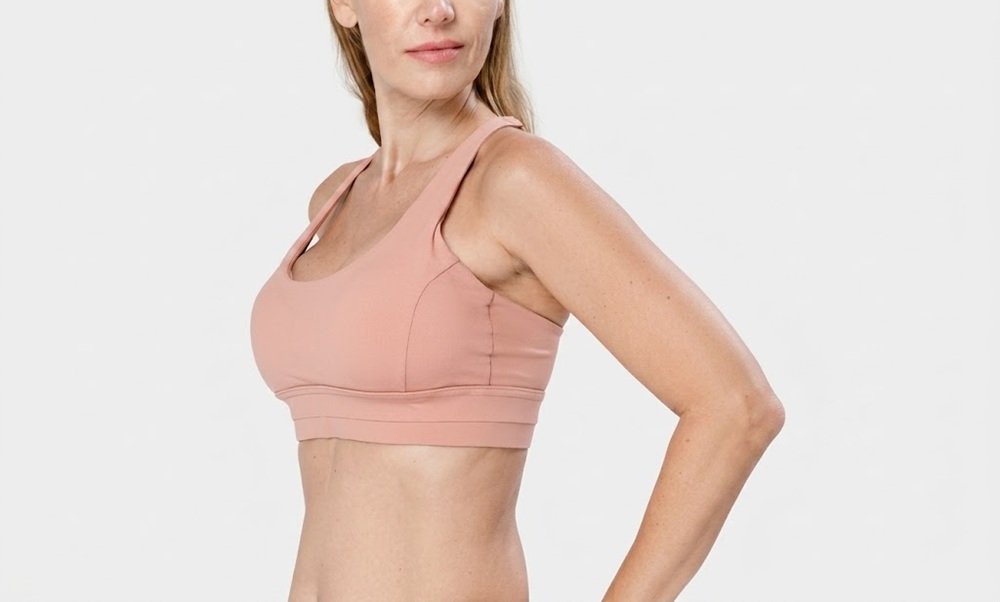
The vertical technique, often called the lollipop technique, involves an incision around the areola and a vertical incision extending from the lower edge of the areola toward the breast crease.
It may be appropriate for women who need a moderate reduction and have mild to moderate sagging.
Potential advantages include:
- Less scarring than the Wise pattern technique in suitable patients
- Effective breast reshaping
- Ability to reposition the nipple
- Good results for moderate reductions
However, it may not provide enough access or skin removal for women with very large breasts or significant sagging.
Wise Pattern Breast Reduction (Anchor Technique)

The Wise pattern, or anchor technique, involves three incision components: one around the areola, one vertically down the breast, and one along the breast crease.
Because it allows extensive removal of breast tissue and skin, it is commonly considered for women with larger breasts, significant sagging, or more substantial reshaping needs.
It may be suitable for patients who need:
- A significant reduction in breast size
- Extensive removal of excess skin
- Correction of pronounced breast sagging
- More comprehensive reshaping
The trade-off is a longer scar pattern compared with less extensive techniques.
Breast Reduction Techniques at a Glance
| Technique | Best Suited For | Scarring | Amount of Reduction | Main Limitation |
|---|---|---|---|---|
| Liposuction-only | Fatty breasts, good skin elasticity, minimal sagging | Minimal | Small to moderate | Cannot remove significant excess skin |
| Vertical (Lollipop) | Moderate reduction and mild to moderate sagging | Moderate | Moderate | May not be suitable for very large or heavily sagging breasts |
| Wise Pattern (Anchor) | Larger breasts and significant sagging | More extensive | Moderate to large | More visible scarring |
Factors That Determine the Best Breast Reduction Technique

Breast Size and Volume
The amount of breast tissue that needs to be removed is one of the main factors influencing technique selection. Larger reductions may require an approach that allows more extensive tissue and skin removal.
Breast Shape and Degree of Sagging
Breast shape and sagging affect how much reshaping is necessary. Patients with significant drooping may need a technique that allows both tissue removal and breast lifting.
Skin Elasticity
Skin elasticity affects how well the breast can adapt to its new shape after tissue removal. Patients with loose or excess skin may require additional skin removal.
Nipple Position
If the nipples sit significantly below the natural breast crease, the surgeon may need a technique that allows appropriate nipple repositioning while maintaining adequate blood supply.
Desired Breast Size
Your desired final breast size is another important consideration. However, the final result also needs to be realistic for your anatomy, skin quality, and tissue characteristics.
Overall Health and Healing Factors
Your general health, smoking status, body weight, medical history, and ability to heal can all affect surgical planning and recovery.
Which Breast Reduction Technique May Suit Your Needs?

There is no single breast reduction technique that is best for every patient. The right approach depends more on breast volume, skin quality, degree of sagging, nipple position, and the amount of reshaping required than on body type alone.
Liposuction-only reduction may be considered when the breasts contain more fatty tissue, the skin has good elasticity, and significant sagging is not present.
Vertical (lollipop) reduction may be suitable when a moderate amount of tissue needs to be removed and there is mild to moderate sagging.
Wise pattern (anchor) reduction may be more appropriate when the breasts are significantly enlarged or sagging and substantial skin and tissue removal is needed.
Ultimately, the technique is selected after a physical examination and discussion of your goals with a qualified plastic surgeon.
Recovery Expectations After Different Techniques
Recovery varies depending on the technique used, the amount of tissue removed, and the individual’s healing process. Less invasive approaches such as liposuction may involve a shorter recovery, while surgical techniques requiring more extensive tissue and skin removal generally involve a longer healing period.
Swelling, bruising, tenderness, and temporary discomfort are common during the early recovery period. Many patients can return to desk-based work within one to two weeks, while strenuous exercise and heavy lifting may need to be avoided for several weeks, according to the surgeon’s instructions.
Risks and Benefits of Breast Reduction Surgery
Like any surgery, breast reduction carries potential risks, including infection, bleeding, delayed wound healing, asymmetry, visible scarring, and temporary or permanent changes in nipple sensation. Your surgeon should explain the risks associated with the specific technique recommended for you.
When appropriately planned, breast reduction can reduce the physical burden of overly large breasts while improving breast proportions, comfort, clothing fit, and overall body contour.
For patients considering both breast reduction and augmentation procedures, learning about Breast Implants in Dubai can also provide helpful insight into the full range of breast enhancement options available.
Frequently Asked Questions About Breast Reduction Techniques
How do I know which breast reduction technique is right for me?
What is the difference between liposuction and surgical breast reduction?
Is the Wise pattern technique suitable for very large breasts?
Does a breast reduction technique affect scarring?
Can I choose my breast reduction technique?
Conclusion
Choosing the right breast reduction technique depends on more than breast size alone. Liposuction may suit patients with fatty breast tissue, good skin elasticity, and minimal sagging, while vertical reduction can be appropriate for moderate reduction and reshaping. For larger breasts or significant sagging, a Wise pattern reduction may provide the tissue and skin removal needed for a balanced result.
Because every breast and body is different, the most appropriate technique can only be determined after an individual assessment by a qualified plastic surgeon. Understanding the differences between these approaches can help you have a more informed consultation and make a decision that aligns with your goals.