Dermal Filler Do’s and Don’ts: A Safety Guide from the FDA
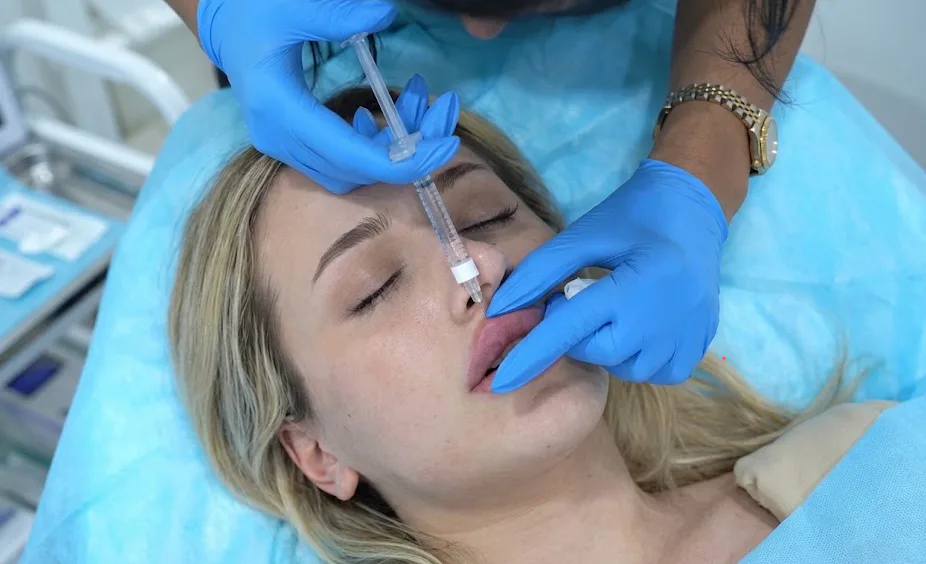
Dermal fillers are widely used to restore lost volume, soften the appearance of certain facial lines, and enhance areas such as the lips, cheeks, chin, and jawline. Although fillers can provide effective aesthetic results, they are medical devices and their use involves potential risks.
Choosing a qualified injector, understanding the product being used, and knowing what to expect before and after treatment can help you make a more informed decision. This guide explains the key dermal filler do’s and don’ts, based primarily on safety recommendations from the U.S. Food and Drug Administration (FDA), along with general treatment considerations.
What Are Dermal Fillers?
Dermal fillers are gel-like substances injected beneath the skin to create a smoother or fuller appearance. Different fillers contain different materials and have different properties, indications, and durations.
According to the FDA, temporary fillers may contain materials such as hyaluronic acid, calcium hydroxylapatite, or poly-L-lactic acid. Most FDA-approved fillers are eventually broken down and absorbed by the body, although some products are designed for longer-lasting or permanent correction.
Because products differ, it is important to know which filler is being used, where it will be injected, and why it is appropriate for your treatment goals.
Dermal Filler Do’s: What to Do Before Treatment
Choose a Licensed and Experienced Provider
Dermal filler injections should be treated as a medical procedure, not simply a cosmetic service. Choose a licensed healthcare provider who is trained and experienced in injecting dermal fillers and understands facial anatomy and the management of potential complications.
The FDA specifically recommends working with a licensed healthcare provider experienced with dermal fillers and knowledgeable about their risks and benefits.
If you’re considering dermal fillers, explore our guide to Dermal Fillers in Dubai to learn more about the treatment, available options, and what to expect.
Ask Which Product Will Be Used
Before your treatment, ask your provider which filler they plan to inject and why it is appropriate for the intended treatment area.
You can also ask to see the product’s labeling and confirm that the vial or pre-filled syringe is properly labeled and sealed. The FDA recommends that patients understand the type of product being injected, where it will be used, and its potential risks.
Keep in mind that FDA approval applies to specific products and specific uses. Approval for one treatment area does not automatically mean that a filler is approved for every part of the body.
Injectables & Fillers
Interested in Dermal Fillers & Face Contouring?
Restore youthful volume and structural definition with premium hyaluronic acid dermal fillers at Tinkermoon Clinic.
Tell your provider about your medical history, allergies, medications, supplements, previous filler treatments, and any relevant medical conditions.
Dermal fillers may not be appropriate for everyone. Certain conditions, including some bleeding disorders and allergies, may affect whether treatment is suitable. Some filler materials may also require allergy testing before use.
If you take prescription blood-thinning medication, do not stop it on your own. Ask your healthcare provider whether any medication or supplement needs to be adjusted before treatment.
What to Avoid Before Dermal Fillers
There is no single pre-treatment routine that applies to every filler or patient. Your injector should give you personalized instructions based on your medical history and the product being used.
In general:
Do not purchase dermal fillers yourself or bring an unverified product to a clinic.
Do not attempt to inject fillers yourself.
Tell your provider about medications, supplements, allergies, and relevant medical conditions.
Inform your provider about any active infection or skin problem near the planned injection site.
Follow any individualized instructions provided by your healthcare professional.
The FDA warns consumers against purchasing facial or lip fillers directly from the public because such products may be counterfeit, contaminated, or unauthorized for use.
Dermal Filler Aftercare: What to Do After Treatment
After your appointment, follow the specific instructions provided by your injector. Mild swelling, redness, tenderness, bruising, or itching can occur after filler injections and often resolve within days to weeks.
Your provider may recommend that you:
Keep the treated area clean.
Avoid unnecessary pressure, rubbing, or manipulation of the treated area.
Limit strenuous exercise for a short period if recommended.
Avoid excessive heat exposure while significant swelling is present.
Follow your provider’s instructions about makeup, facials, dental procedures, and other treatments.
Attend a recommended follow-up appointment if one is scheduled.
Aftercare recommendations can vary according to the filler, injection site, and individual patient, so your provider’s instructions should take priority over generic advice.
What Not to Do After Dermal Fillers
Avoid activities or treatments that your injector specifically advises against during the initial healing period.
Depending on the treatment area, this may include:
Excessive pressure or massage of the treated area.
Strenuous exercise immediately after treatment.
Significant heat exposure such as saunas or hot environments.
Facial treatments that involve substantial manipulation of the injected area.
Dental or other procedures involving the treated area without first checking with your provider.
Rather than following a fixed number of days for every patient, ask your injector when it is appropriate to resume these activities.
Warning Signs After Dermal Fillers: When to Seek Medical Help
Most filler side effects are temporary, but serious complications can occur.
One of the most serious risks is accidental injection of filler into a blood vessel. According to the FDA, this can result in tissue death, stroke, or blindness. Although this complication is uncommon, its consequences can be severe and potentially permanent.
Seek urgent medical attention if you experience:
Severe or worsening pain.
Significant or unusual skin discoloration.
Vision changes or sudden eye symptoms.
Facial weakness, numbness, difficulty speaking, or other neurological symptoms.
Signs of infection such as spreading redness, warmth, pus, or fever.
Skin breakdown, open wounds, or tissue changes around the injection site.
Do not simply wait for these symptoms to resolve. Contact your provider immediately or seek emergency medical care.
Can Dermal Fillers Be Removed?
Not every filler can be easily removed.
If a filler causes an unwanted effect or complication, additional treatment or surgery may sometimes be required. The FDA notes that removing or reducing some filler materials can be difficult or impossible and that removal procedures can carry their own risks.
This is another reason to choose an experienced healthcare provider and understand the product before treatment.
Dermal Fillers and Botox: What’s the Difference?
Dermal fillers and botulinum toxin products such as Botox are not the same treatment.
Dermal fillers are injected beneath the skin to add volume or create a fuller appearance. Botulinum toxin products work by temporarily reducing muscle activity and are used for certain types of facial lines.
The FDA classifies them differently: dermal fillers are regulated as medical devices, while botulinum toxin products are injectable drugs.
If both treatments are being considered, your healthcare provider should assess whether each treatment is appropriate for your individual goals and medical circumstances.
How Long Do Dermal Fillers Last?
The duration of dermal filler results depends on the product, treatment area, and individual factors.
Most FDA-approved fillers are temporary and are eventually absorbed by the body, meaning repeat treatment may be needed to maintain the desired effect. Some filler materials have longer-lasting effects than others.
Your provider can explain the expected duration of the specific filler recommended for you.
FDA Safety Tips for Dermal Fillers
The FDA’s key consumer recommendations can be summarized as follows:
Do choose a licensed healthcare provider experienced in dermal filler injections.
Do ask for and read the patient information for the product.
Do understand which product will be injected, where it will be used, and its potential risks.
Do not purchase dermal fillers directly from the public.
Do not inject fillers yourself or use needle-free filler pens.
Do not use injectable fillers or liquid silicone for body contouring.
Frequently Asked Questions
What should I avoid before dermal fillers?
Do not purchase or inject filler yourself, and make sure your provider knows about your medical history, allergies, medications, supplements, and any active skin conditions. Never stop a prescribed medication without medical advice.
What should I avoid after dermal fillers?
Follow your injector’s specific aftercare instructions. You may be advised to avoid unnecessary pressure or manipulation of the treated area, strenuous exercise, excessive heat, or certain facial treatments for a short period.
Can I exercise after dermal fillers?
Ask your provider when you can safely return to strenuous exercise. Recommendations may vary depending on the treatment area and your individual response.
Can I drink alcohol after dermal fillers?
Ask your provider for individualized advice. Alcohol may contribute to bruising or swelling in some patients, so your injector may recommend avoiding it around the time of treatment.
Can dermal fillers cause serious complications?
Yes. Although serious complications are uncommon, accidental injection into a blood vessel can cause tissue death, stroke, or blindness. Seek urgent medical attention if you develop severe pain, unusual skin discoloration, vision changes, or neurological symptoms after treatment.
When should I contact a doctor after dermal fillers?
Contact your provider promptly for symptoms that concern you. Seek urgent medical care for severe pain, significant skin discoloration, vision changes, neurological symptoms, or signs of a serious infection.
Final Takeaway
Understanding the key dermal filler do’s and don’ts can help you make safer and more informed decisions. The most important steps are choosing a qualified provider, knowing which product is being injected, understanding its risks and intended use, and following personalized aftercare instructions.
If you are considering dermal fillers in Dubai, a consultation allows you to discuss your aesthetic goals, suitable treatment areas, product options, expected results, and potential risks before deciding whether treatment is right for you.
Source
This article is based primarily on consumer safety information published by the U.S. Food and Drug Administration (FDA):
U.S. Food and Drug Administration — Dermal Filler Do’s and Don’ts for Wrinkles, Lips and More
Reviewed by
Dr. Farid Nemati
Certified Aesthetic Doctor | General Physician at Self Employed








 Fillers
 Fillers