

If your skin looks uneven, feels rough, or shows signs of acne scars, enlarged pores, fine lines, or sun damage, you may be looking for a treatment that improves its appearance without surgery. Dermapen microneedling is a minimally invasive skin rejuvenation treatment that uses fine needles to create controlled microchannels in the skin and stimulate its natural healing response.
As the skin repairs itself, collagen and elastin production can increase, helping improve skin texture, firmness, and overall appearance.
But how does Dermapen work? Is it painful, how many sessions might you need, and what should you expect after treatment? Here is what you should know before considering this skin-rejuvenation treatment.
What Is Dermapen Microneedling?
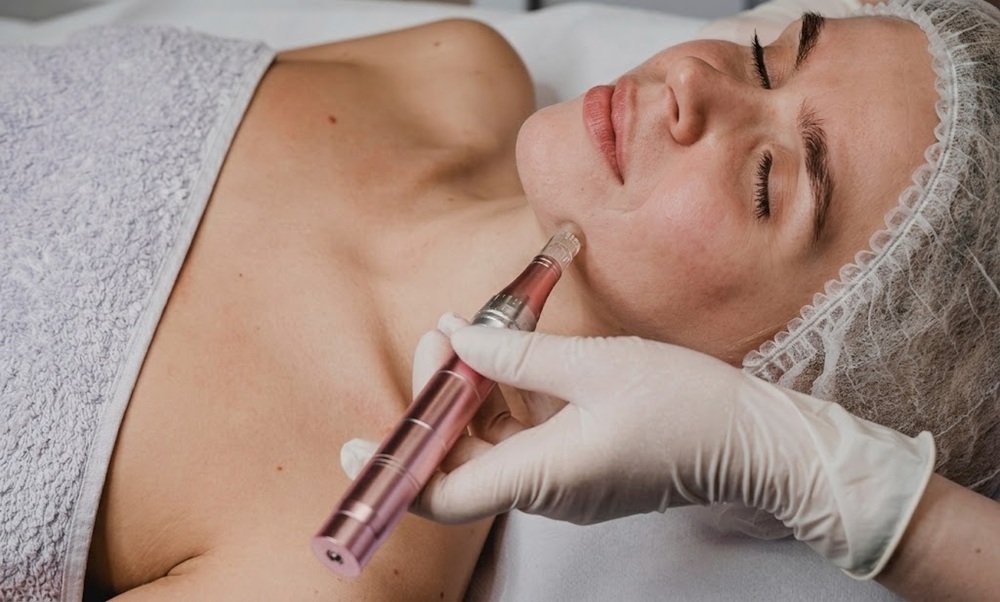
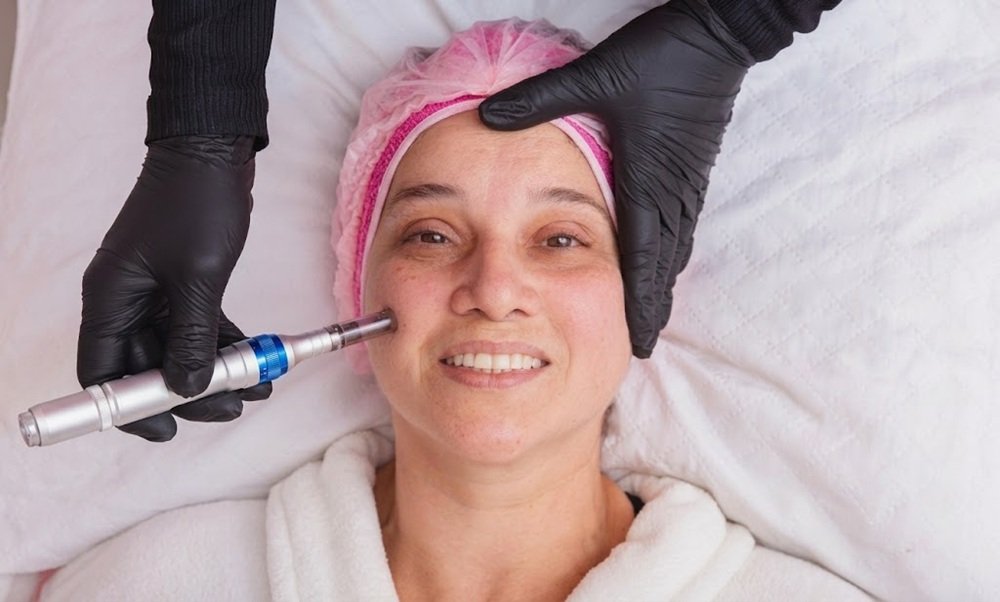
Dermapen microneedling is a professional skin treatment that uses a motorized pen with fine needles to create controlled micro-injuries in the skin. These tiny channels activate the body’s natural repair process and encourage collagen and elastin production.
Unlike a traditional derma roller, which rolls across the skin, a Dermapen uses vertically moving needles. The treatment depth and speed can be adjusted according to the treatment area and the skin concern being addressed.
This controlled approach allows the treatment to be customized for concerns such as acne scars, fine lines, uneven texture, enlarged pores, and certain types of pigmentation.
Interested in Dermapen Microneedling & Skin Renewal?
Boost collagen synthesis, refine skin texture, and fade scarring with advanced microneedling at Tinkermoon Clinic.

How Does Dermapen Microneedling Work?
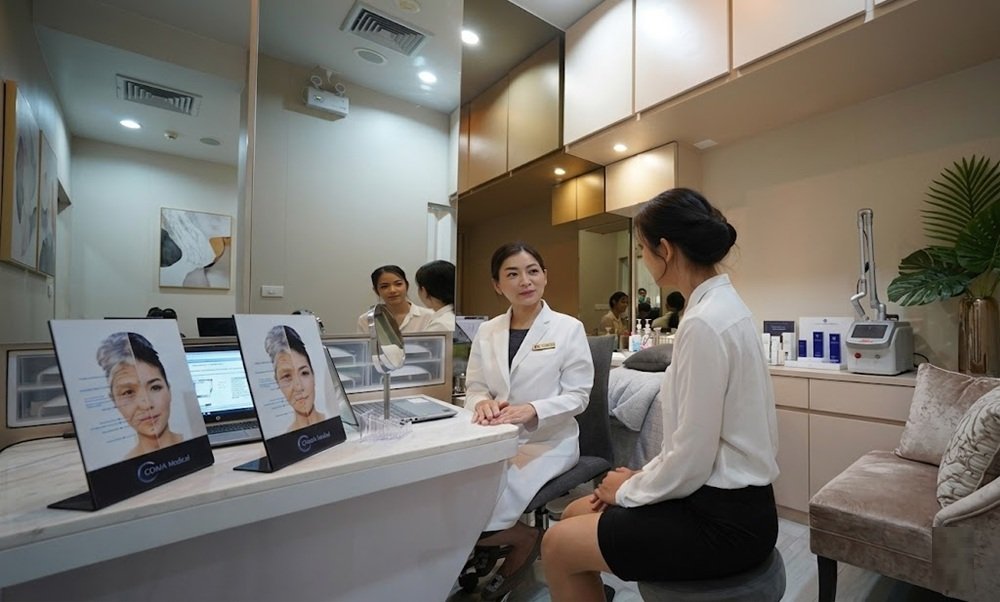
Dermapen creates tiny, controlled channels in the skin that trigger the body’s natural wound-healing response. As the skin repairs itself, collagen and elastin production can increase, supporting the skin’s structure, firmness, and elasticity.
Treatment depth and speed can be adjusted according to the treatment area, skin condition, and individual goals.
Unlike surface-level exfoliation, microneedling works by stimulating a regenerative response within the treated tissue.
What Are the Benefits of Dermapen Microneedling?
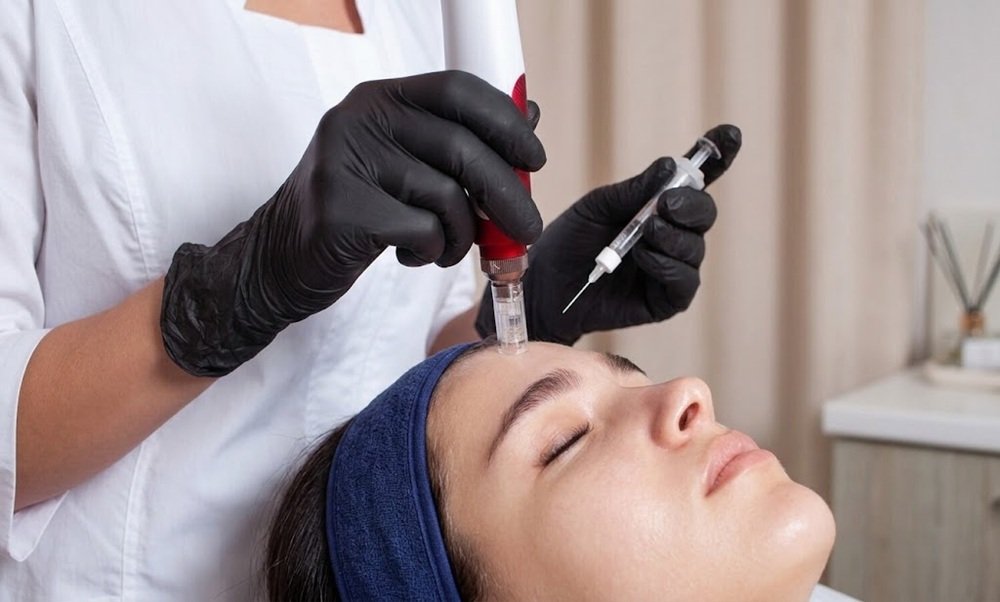
Potential benefits include:
- Smoother-looking skin texture
- Improved appearance of acne scars
- Reduced appearance of fine lines and wrinkles
- Less noticeable enlarged pores
- More even-looking skin tone
- Improved appearance of certain scars
- Firmer-looking skin
- A brighter and more refreshed complexion
- Improved appearance of some stretch marks
Results vary from person to person. Factors such as the condition being treated, treatment settings, number of sessions, age, skin condition, and individual healing response can all influence the outcome.
What Skin Concerns Can Dermapen Microneedling Treat?
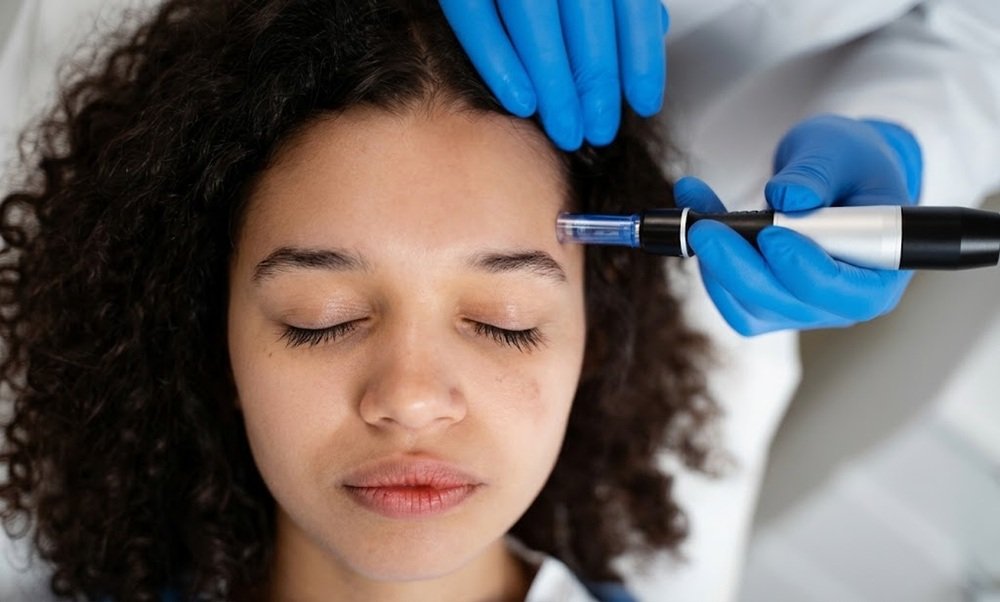
Dermapen treatments can be customized for different skin concerns. It is particularly useful when the main goal is to improve skin texture and stimulate collagen production.
Acne Scars
Microneedling may help improve the appearance of certain acne scars by stimulating collagen remodeling. The number of sessions required depends on the type and depth of the scars.
Fine Lines and Wrinkles
Collagen stimulation can help the skin look smoother and more supported, potentially reducing the appearance of fine lines over time.
Enlarged Pores
Although pores cannot be permanently removed, improving the surrounding skin texture may make them appear less noticeable.
Uneven Skin Texture
If your skin feels rough or looks uneven, microneedling can help encourage a smoother and more refined appearance as the skin regenerates.
Pigmentation and Sun Damage
Depending on the cause and type of pigmentation, microneedling may be included in a broader treatment plan to improve overall skin tone and appearance. However, pigmentation concerns should be professionally assessed before treatment.
Stretch Marks and Scars
Microneedling may also be used to improve the appearance of certain scars and stretch marks by stimulating collagen remodeling in the treated area.
What to Expect During a Dermapen Microneedling Treatment
Before treatment, your skin should be assessed by a qualified professional. This consultation helps determine whether microneedling is appropriate and allows the provider to select suitable treatment settings.
During the procedure, the skin is cleansed and prepared before the Dermapen is moved systematically across the treatment area.
You may experience a mild prickling, vibrating, or warm sensation while the device is used. The level of discomfort varies depending on individual sensitivity, treatment depth, and the area being treated.
A full-face treatment can be relatively quick, although the total appointment time will also depend on preparation and post-treatment care.
Is Dermapen Microneedling Painful?
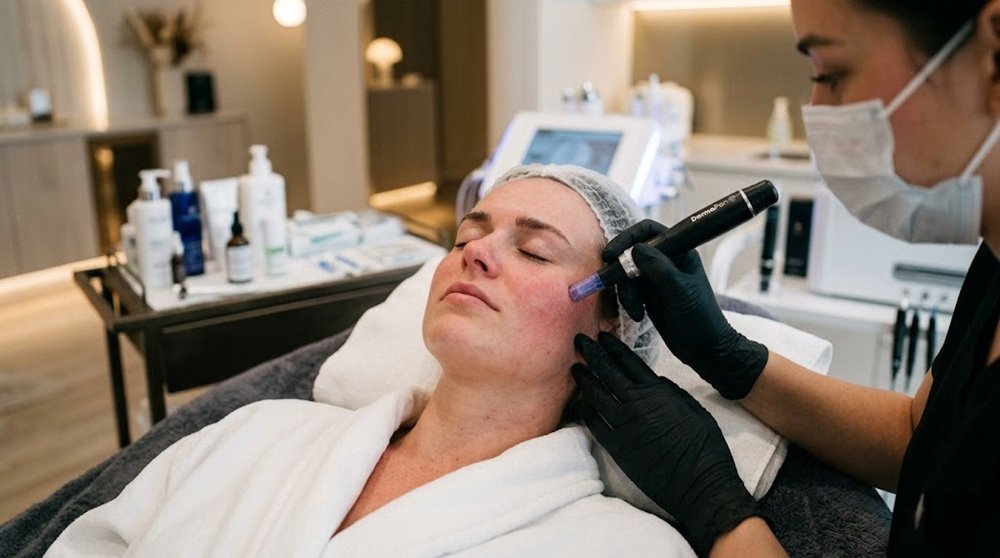
Most people experience some sensation during treatment, but discomfort is generally manageable. You may feel mild pressure, warmth, vibration, or a prickling sensation as the needles move across the skin.
Whether a numbing cream is appropriate depends on the treatment protocol, treatment depth, and your individual sensitivity. Your provider can discuss this with you before the procedure.
When Will You See Results?
One of the most important things to understand about microneedling is that results develop gradually.
Your skin may look refreshed and smoother once the initial redness settles, but deeper improvements occur as collagen remodeling continues. Depending on the concern being treated, noticeable changes may develop over several weeks, with further improvement occurring over the following months.
For this reason, it is better to evaluate results as part of the complete treatment plan rather than judging the outcome immediately after one session.
Dermapen Microneedling Aftercare: What Should You Do?
Your skin can be temporarily sensitive after treatment, so appropriate aftercare is an important part of the process.
Your provider may recommend that you:
- Keep the skin clean and hydrated.
- Avoid touching or rubbing the treated area unnecessarily.
- Avoid harsh exfoliants until your skin has recovered.
- Avoid products that may irritate freshly treated skin.
- Protect your skin from direct sun exposure.
- Apply sunscreen as recommended.
- Follow the specific skincare instructions provided by your clinic.
Your post-treatment routine should be based on your provider’s recommendations because aftercare requirements can vary depending on the treatment settings and your skin’s condition.
Who Is a Good Candidate for Dermapen Microneedling?
Dermapen microneedling may be suitable for adults who want to improve the appearance of:
- Acne scars
- Fine lines
- Uneven skin texture
- Enlarged pores
- Certain scars
- Stretch marks
- Signs of sun damage
However, suitability depends on your individual skin condition and medical history. A consultation is important before treatment so that a professional can determine whether microneedling is appropriate for you.
Who Should Avoid Dermapen Microneedling?
Microneedling is not suitable for every person or every skin condition.
Treatment may need to be postponed or avoided if you have an active skin infection, significant inflammation, open wounds, or another condition that could interfere with healing.
People with certain medical conditions, a tendency to develop abnormal scars, or medications that affect healing or bleeding may also require additional assessment.
Always tell your provider about relevant medications, medical conditions, previous cosmetic treatments, and current skincare products before undergoing treatment.
Dermapen Microneedling vs. Traditional Microneedling: What’s the Difference?
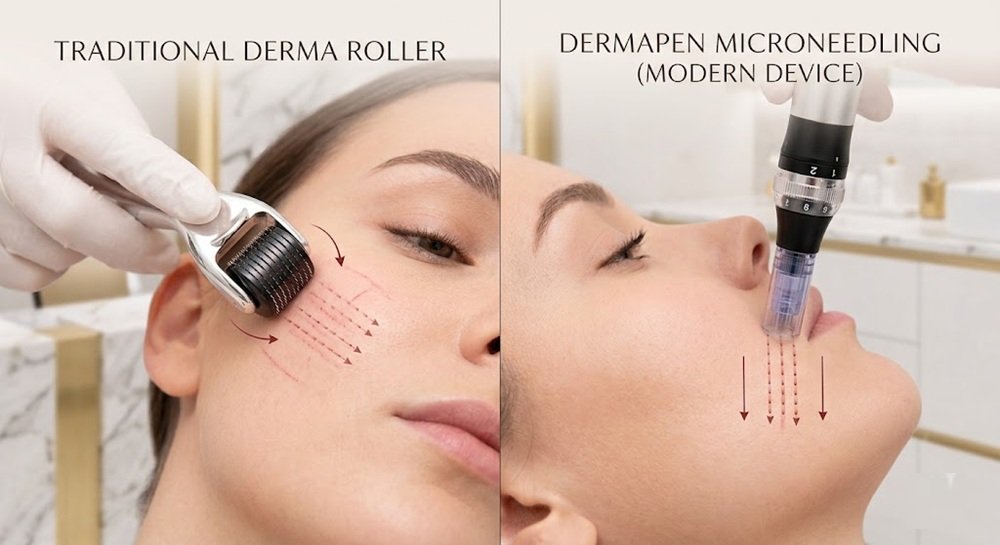
Both treatments use the same basic concept: controlled micro-injuries stimulate the skin’s natural healing response.
The main difference is the device.
A traditional derma roller uses a rolling motion, while a Dermapen uses rapidly moving needles that enter the skin vertically. The depth and speed can be adjusted, allowing the treatment to be customized for different areas and concerns.
Can Dermapen Microneedling Be Combined With Other Treatments?
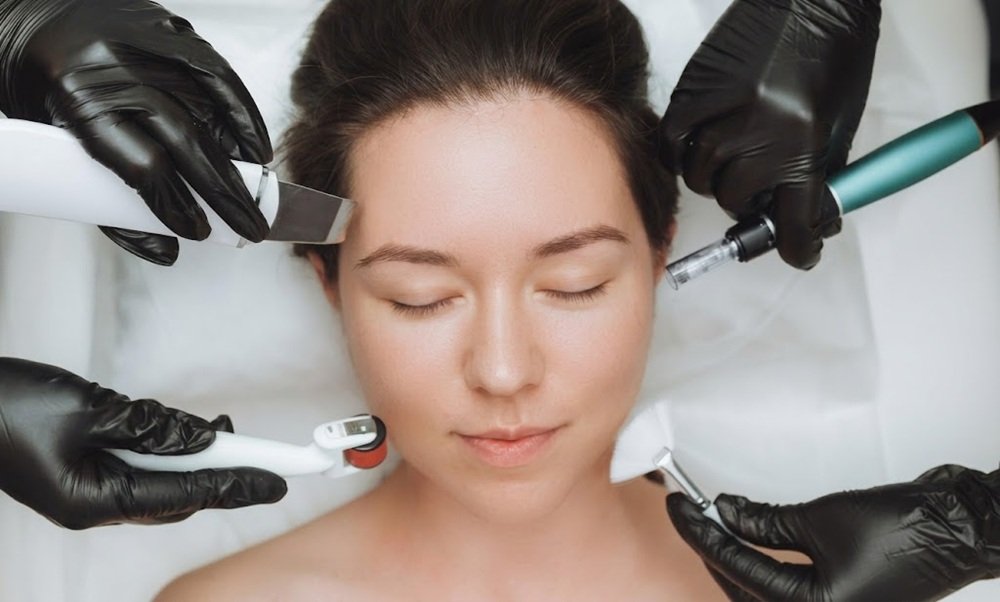
In some cases, microneedling can be included as part of a broader skin-rejuvenation plan. The appropriate combination depends on your skin condition, treatment goals, and the products or procedures being considered.
Not every treatment should be performed immediately before or after microneedling. Combining procedures without professional guidance can increase irritation and interfere with the skin’s recovery.
If you are considering microneedling treatment in Dubai, a professional consultation can help determine whether Dermapen is suitable for your skin and whether it should be combined with another treatment.
conclusion
Dermapen microneedling is a minimally invasive treatment that stimulates collagen production to improve skin texture, acne scars, fine lines, enlarged pores, and overall skin appearance. Since results and treatment needs vary from person to person, a professional skin assessment can help determine the right approach for achieving safe, natural-looking results.