

Cellulite is a common cosmetic concern that causes a dimpled or uneven appearance on the skin, particularly around the thighs, hips, and buttocks. Although it is harmless, many people look for ways to make it less noticeable. Regular physical activity, especially strength training, can help improve muscle definition and support a firmer appearance in these areas.
The most effective exercises for cellulite focus on strengthening the glutes, quadriceps, hamstrings, and surrounding muscles. While no workout can completely eliminate cellulite, developing the muscles beneath the skin may make its appearance less noticeable.
How Does Exercise Help Improve the Appearance of Cellulite?
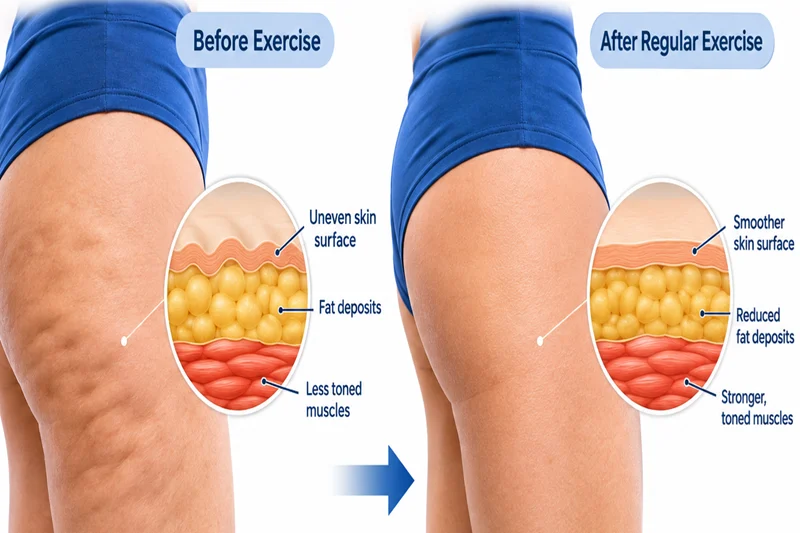
Cellulite forms when fat deposits push against connective tissue beneath the skin, creating visible dimples. Its appearance is influenced by genetics, hormones, age, skin thickness, and body composition.
Exercise does not directly remove the fibrous connective bands responsible for cellulite. However, regular strength training can increase muscle mass beneath the skin, potentially creating a firmer and smoother appearance.
According to the American Academy of Dermatology (AAD), developing more muscle can make the skin appear smoother and firmer, potentially reducing the visibility of cellulite.
Combining resistance training with aerobic activity is therefore a practical approach to improving lower-body strength and overall body composition.
Ready to Discuss Your Aesthetic Goals in Dubai?
Book a private, confidential consultation with Tinkermoon specialists at Century Plaza, Jumeirah 1.

cellulite exercises for bum and thighs
The following exercises target different lower-body muscle groups. Combining compound movements with targeted exercises can help develop balanced strength and muscle definition.
1. Squats
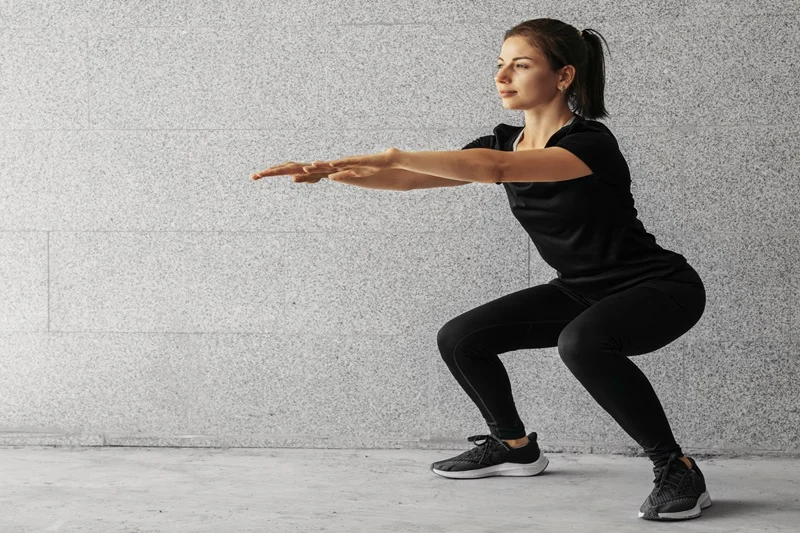
Squats primarily target the quadriceps, gluteus maximus, and hamstrings. They are particularly useful for developing strength across the thighs and buttocks.
How to perform:
- Stand with your feet shoulder-width apart.
- Push your hips backward while bending your knees.
- Lower your body as comfortably as possible, keeping your heels on the floor.
- Push through your feet to return to standing.
Recommended: 3 sets of 12 repetitions.
2. Reverse Lunges
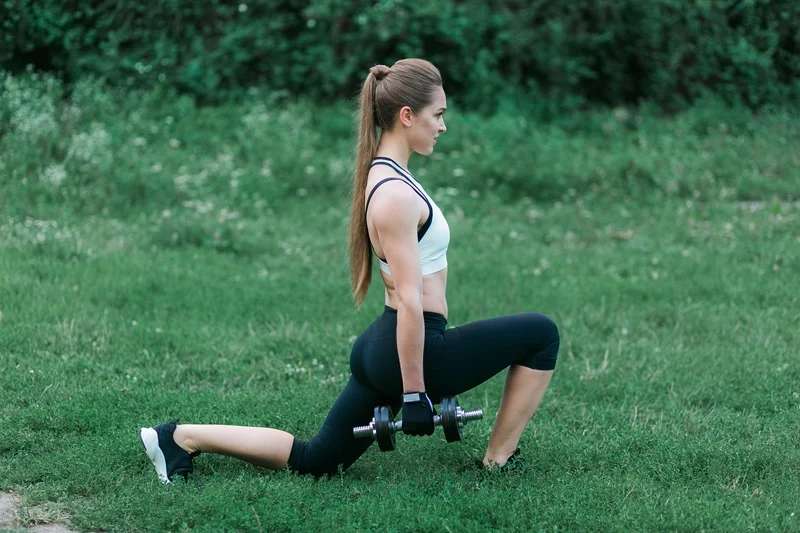
Reverse lunges strengthen each leg independently, targeting the quadriceps and glutes. They also challenge balance and help develop coordination between the lower-body muscles.
How to perform:
- Stand upright with your feet hip-width apart.
- Step one foot backward.
- Bend both knees while keeping your front foot flat.
- Push through your front heel to return to the starting position.
- Repeat with the opposite leg.
Recommended: 3 sets of 10 repetitions per leg.
3. Glute Bridges
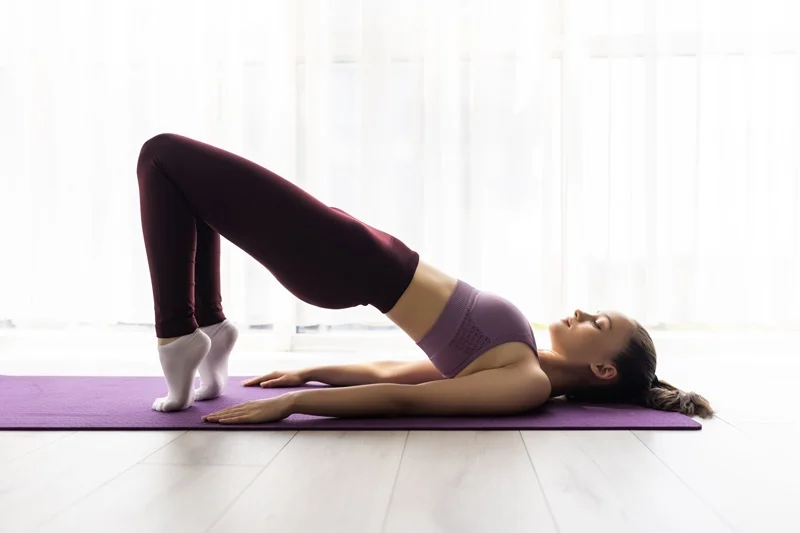
Glute bridges isolate the gluteal muscles and also engage the hamstrings. They are particularly useful for strengthening the posterior chain without requiring weights or gym equipment.
How to perform:
- Lie on your back with your knees bent and feet flat on the floor.
- Keep your arms beside your body.
- Squeeze your glutes and lift your hips.
- Hold briefly at the top without arching your lower back.
- Slowly lower your hips.
Recommended: 3 sets of 12–15 repetitions.
4. Step-Ups
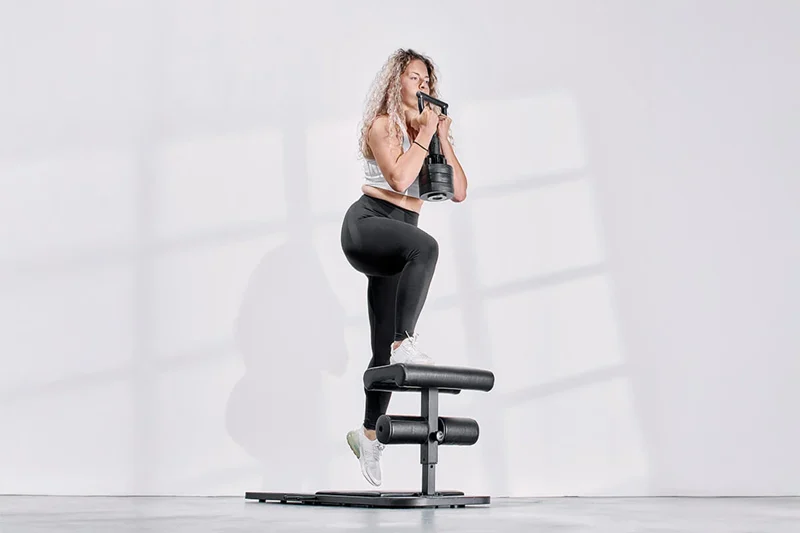
Step-ups target the quadriceps and glutes while improving balance and functional leg strength. The movement also resembles climbing stairs, making it a practical addition to lower-body workouts.
How to perform:
- Stand in front of a stable exercise platform.
- Place one foot firmly on the platform.
- Push through that foot to lift your body.
- Bring the other foot onto the platform.
- Step down carefully and alternate legs.
Recommended: 3 sets of 10 repetitions per leg.
5. Romanian Deadlifts
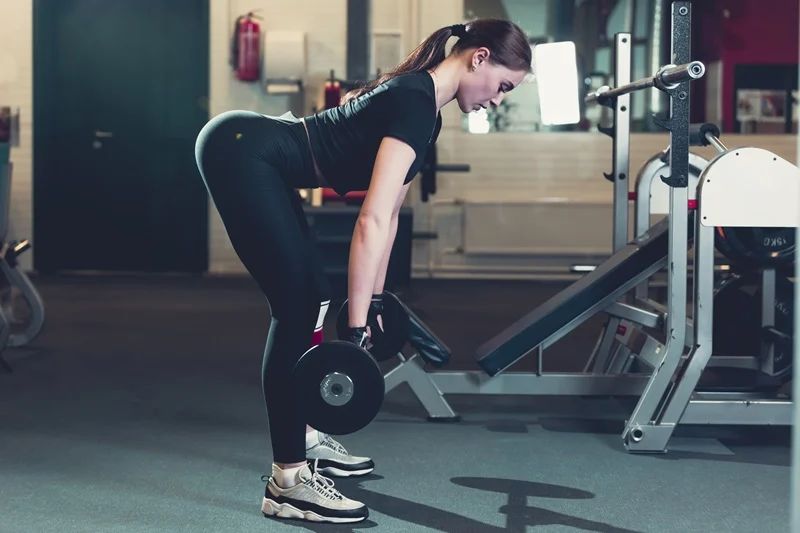
Romanian deadlifts focus on the hamstrings and glutes through a hip-hinge movement. They help strengthen the back of the thighs and improve posterior-chain development.
How to perform:
- Stand with your feet hip-width apart, holding dumbbells in front of your thighs.
- Keep your knees slightly bent.
- Push your hips backward while lowering the weights.
- Maintain a neutral spine and keep the weights close to your legs.
- Return to standing by driving your hips forward.
Recommended: 3 sets of 10–12 repetitions.
6. Side Lunges
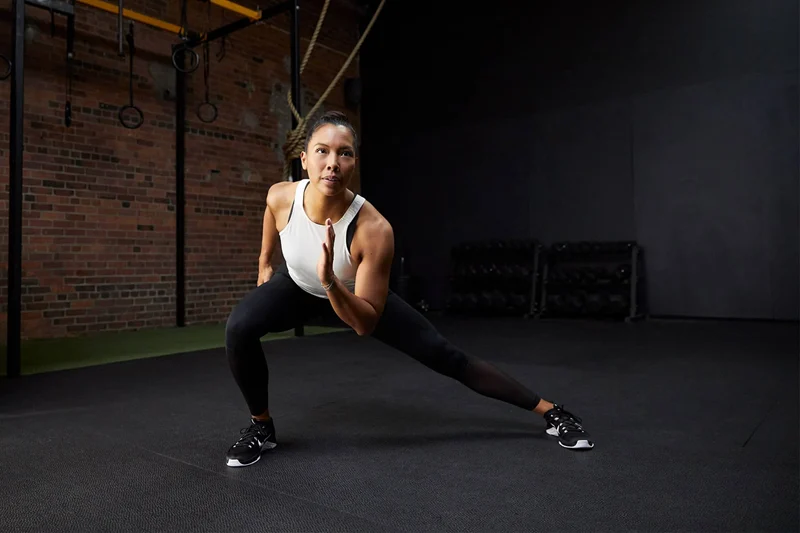
Side lunges introduce lateral movement into a lower-body routine. They engage the inner thighs, quadriceps, and glutes while strengthening the muscles responsible for hip stability.
How to perform:
- Stand with your feet wider than shoulder-width apart.
- Shift your weight toward one side.
- Bend that knee while keeping the opposite leg extended.
- Push through the bent leg to return to the center.
- Repeat on the other side.
Recommended: 3 sets of 10 repetitions per side.
7. Donkey Kicks
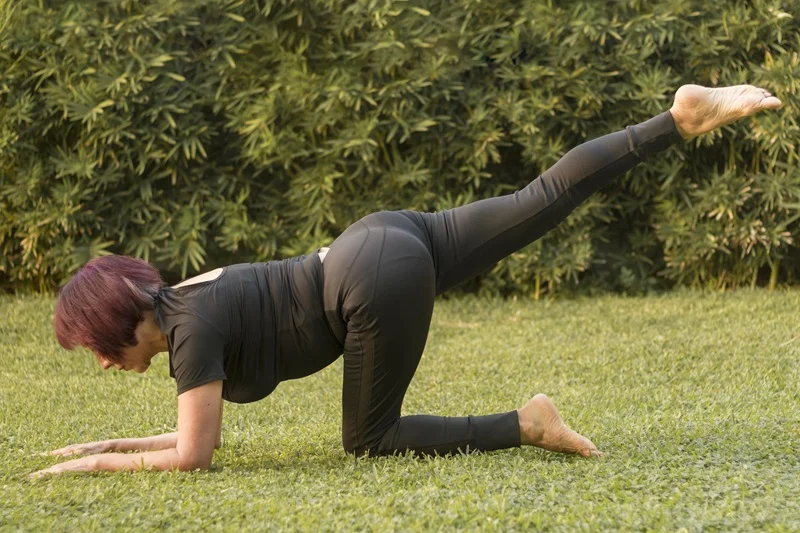
Donkey kicks primarily target the gluteus maximus. Unlike compound exercises, they isolate the glutes through controlled hip extension, making them a useful addition to a targeted buttock workout.
How to perform:
- Start on your hands and knees.
- Keep your back neutral and core engaged.
- Lift one bent leg upward without rotating your hips.
- Pause briefly at the top.
- Lower the leg slowly and repeat.
Recommended: 3 sets of 12 repetitions per leg.
8. Fire Hydrants
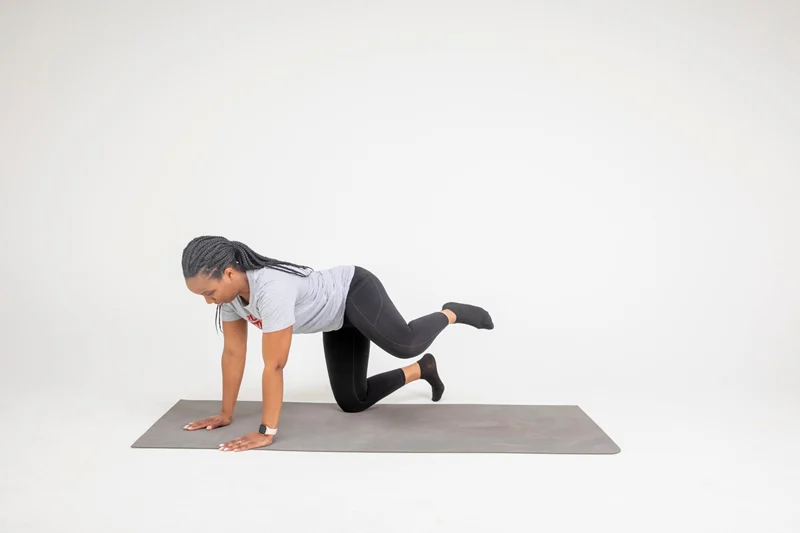
Fire hydrants target the gluteus medius and other hip-abductor muscles. These muscles help stabilize the pelvis and support controlled movement of the hips.
How to perform:
- Begin on your hands and knees.
- Keep your spine neutral.
- Lift one bent knee outward to the side.
- Avoid shifting or rotating your hips.
- Slowly return to the starting position.
Recommended: 3 sets of 12 repetitions per side.
9. Bulgarian Split Squats
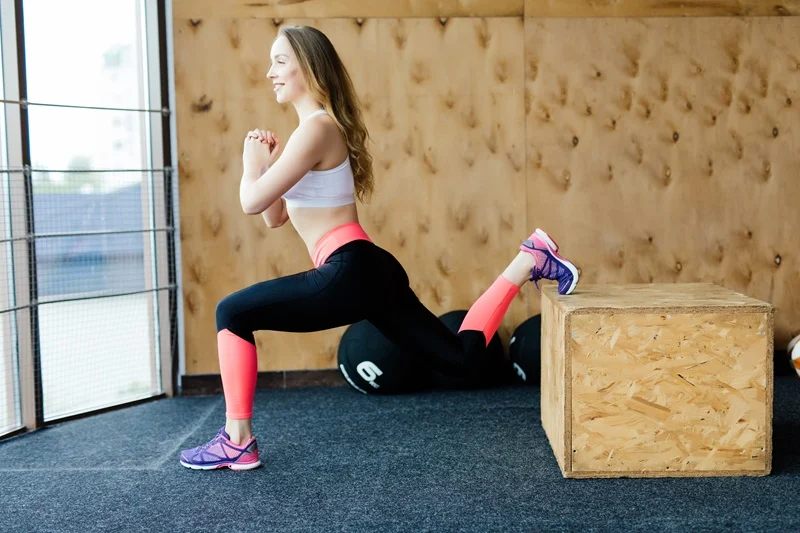
Bulgarian split squats are a challenging unilateral exercise that works the quadriceps and glutes. They require balance and coordination while allowing each leg to develop strength independently.
How to perform:
- Stand in front of a stable bench.
- Place one foot behind you on the bench.
- Bend your front knee and lower your hips.
- Keep your front foot flat and torso controlled.
- Push through your front foot to stand.
Recommended: 3 sets of 8–10 repetitions per leg.
10. Walking or Incline Walking
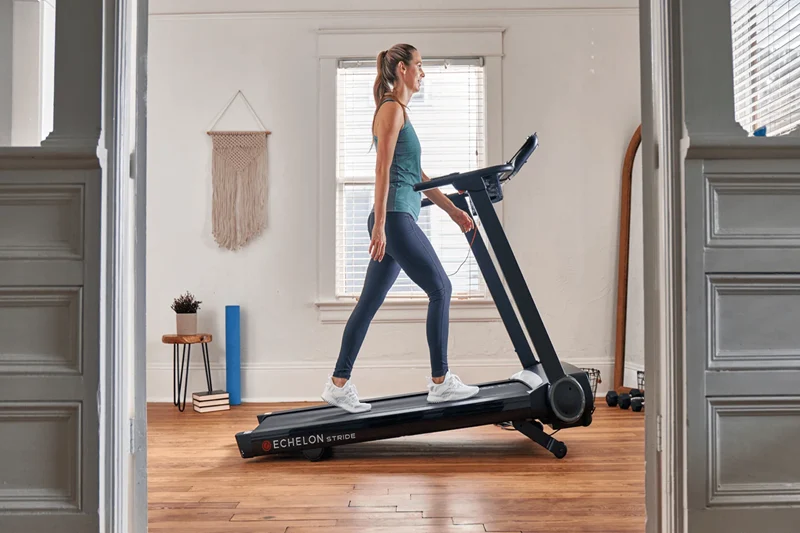
Walking is a low-impact aerobic activity that supports cardiovascular fitness and overall energy expenditure. Incline walking increases the workload on the glutes and calves, making it a useful complement to resistance training.
How to perform:
- Start with five minutes of comfortable walking.
- Gradually increase your pace or treadmill incline.
- Maintain an upright posture.
- Continue at a manageable intensity.
- Finish with a few minutes of slower walking.
Recommended: 20–30 minutes per session.
Comparing the Best Exercises for Cellulite
Each movement offers different benefits depending on the muscles involved and the training goal.
| Exercise | Main muscles targeted | Primary benefit |
|---|---|---|
| Squats | Thighs and glutes | Overall lower-body strength |
| Reverse lunges | Quadriceps and glutes | Unilateral strength |
| Glute bridges | Glutes and hamstrings | Glute activation |
| Step-ups | Quadriceps and glutes | Functional strength |
| Romanian deadlifts | Hamstrings and glutes | Posterior-chain development |
| Side lunges | Inner thighs and glutes | Lateral strength |
| Donkey kicks | Glutes | Targeted glute activation |
| Fire hydrants | Hip abductors | Hip stability |
| Bulgarian split squats | Quadriceps and glutes | Single-leg strength |
| Incline walking | Glutes and calves | Aerobic fitness |
How Often Should You Do Exercises for Cellulite?
Consistency and gradual progression are more important than performing all 10 exercises in one session. A balanced weekly routine should include strength training, aerobic movement, and recovery days.
A practical starting schedule is:
| Day | Activity |
|---|---|
| Monday | Lower-body strength training |
| Tuesday | 25–30 minutes of walking |
| Wednesday | Rest or gentle stretching |
| Thursday | Lower-body strength training |
| Friday | 25–30 minutes of walking |
| Saturday | Light activity or recreational walking |
| Sunday | Rest |
Adults can also work toward the general physical activity recommendation of at least 150 minutes of moderate-intensity aerobic activity per week, alongside muscle-strengthening activities on at least two days.
Beginners should start with manageable resistance and repetitions, increasing the difficulty as their technique and strength improve.
Can Exercise Completely Remove Cellulite
No. Exercise can improve muscle development and may make cellulite less noticeable, but it cannot eliminate the underlying connective tissue structures responsible for skin dimpling.
For individuals concerned about persistent cellulite, other treatment options may be worth discussing with a qualified aesthetic professional. Different procedures address different aspects of cellulite, so treatment selection should depend on the individual’s skin characteristics and expectations.
For a broader overview of available approaches, read our guide on How to Get Rid of Cellulite on Legs and Butt.
Conclusion
Squats, lunges, glute bridges, deadlifts, and incline walking are useful exercises for strengthening the legs and buttocks. Incorporating a variety of these movements into a consistent workout routine can improve lower-body strength and muscle definition.
Although exercise cannot completely remove cellulite, it can contribute to a firmer appearance and better overall fitness. Realistic expectations, proper technique, and regular training are essential for long-term progress.