


The natural aging process affects everyone differently, but one of the most noticeable changes is the gradual loss of facial volume. Over time, changes in collagen, elastin, hyaluronic acid, facial fat, and underlying bone structure can contribute to hollow areas, deeper folds, thinner lips, and less defined facial contours.
Hyaluronic acid (HA) fillers are injectable treatments designed to restore volume and enhance specific facial features without surgery. Understanding how hyaluronic acid fillers work can help you develop realistic expectations and make more informed decisions about facial rejuvenation.
What Is Hyaluronic Acid?
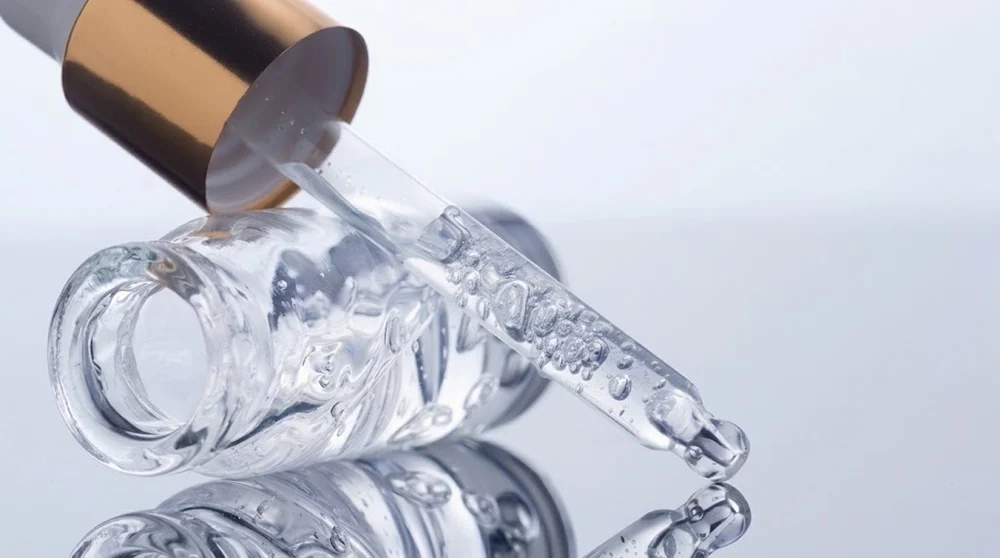
Hyaluronic acid is a naturally occurring substance found throughout the body, including the skin and connective tissues. One of its key properties is its ability to bind water, helping tissues maintain hydration and volume.
As we age, changes in the skin’s hyaluronic acid content, collagen production, fat distribution, and supporting structures can contribute to visible signs of facial aging. Hyaluronic acid fillers are formulated as injectable gels that can help restore volume in selected areas.
Most modern HA fillers are stabilized through cross-linking, which helps the product remain in the treated tissue longer than naturally occurring, unmodified hyaluronic acid.
Interested in Dermal Fillers & Face Contouring?
Restore youthful volume and structural definition with premium hyaluronic acid dermal fillers at Tinkermoon Clinic.

How Do Hyaluronic Acid Fillers Work?

Youthful facial contours are supported by a combination of bone structure, facial fat, connective tissue, and skin elasticity. With age, these structures can change, leading to volume loss and alterations in facial proportions.
When an HA filler is injected into an appropriate treatment area, the gel adds volume beneath the skin. Because hyaluronic acid binds water, it can also contribute to fullness and hydration in the treated tissue.
Depending on the product and injection site, HA fillers may help:
- Restore lost volume
- Enhance facial contours
- Soften the appearance of certain wrinkles and folds
- Improve facial proportions and symmetry
- Enhance the appearance of the lips
The final result depends on factors such as the filler selected, the amount injected, the treatment area, and the injector’s technique.
Why Does Facial Volume Decrease With Age?

Facial aging involves more than the development of wrinkles. Changes in several underlying structures can affect facial volume and contour.
Changes in Facial Fat
Facial fat compartments can decrease in volume and change position over time. These changes may contribute to hollow cheeks, temple hollowing, and deeper facial folds.
Collagen Loss
Collagen provides structural support for the skin. As collagen production changes with age, the skin may become less firm and resilient.
Changes in Bone Structure
The underlying facial skeleton also changes gradually with age. Reduced structural support can contribute to changes in facial contours and proportions.
Changes in Hydration
Changes in naturally occurring hyaluronic acid and other components of the skin can affect its ability to retain moisture, contributing to a less plump appearance.
Dermal fillers can address some aspects of volume loss, but they do not reverse every structural change associated with aging.
Common Treatment Areas for Hyaluronic Acid Fillers

Cheeks
Cheek fillers can restore volume and enhance cheek projection, helping create more defined and balanced facial contours.
Under-Eye Hollows
In appropriately selected patients, HA fillers may help reduce the appearance of volume loss and hollowing beneath the eyes. Because the under-eye area is delicate, careful assessment and precise technique are particularly important.
Nasolabial Folds
Nasolabial folds are the lines that extend from the sides of the nose toward the corners of the mouth. Depending on the cause and severity of the folds, filler may help soften their appearance and restore surrounding volume.
Marionette Lines
Marionette lines extend downward from the corners of the mouth toward the chin. Addressing nearby volume loss may help reduce their prominence in suitable patients.
Jawline and Chin
HA fillers can be used to add definition to the chin and jawline, helping improve facial balance and contour.
Lips
Dermal fillers can also be used to enhance lip volume, improve definition, and create more balanced facial proportions. The treatment can be customized based on the patient’s natural lip shape and desired outcome.
How Long Do Hyaluronic Acid Fillers Last?
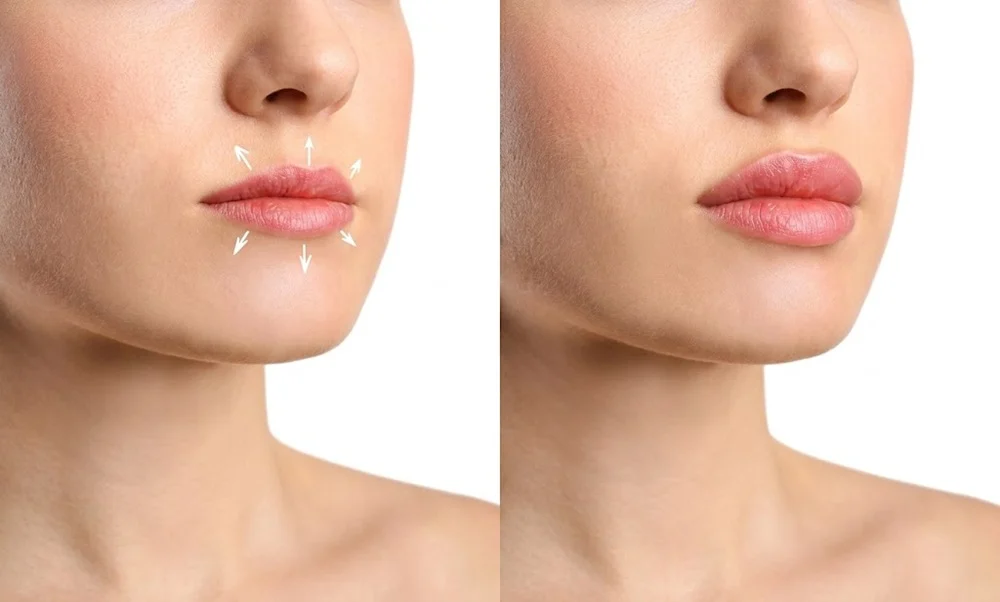
The longevity of HA fillers varies depending on the specific product, treatment area, amount used, and individual factors.
Many HA fillers provide results that last for several months to around a year or longer, while some formulations may remain effective for 18 months or more. The expected duration should always be discussed based on the specific product being considered.
Areas with frequent movement, such as the lips, may show shorter-lasting results than areas with less movement. The formulation and degree of cross-linking also influence how long an HA filler remains in the tissue.
Results gradually change as the body breaks down and absorbs the filler.
What Are the Benefits of Hyaluronic Acid Fillers?

HA fillers offer several advantages when appropriately selected and administered by a qualified medical professional.
Immediate Volume Restoration
Because the filler physically adds volume beneath the skin, changes can often be seen shortly after treatment. However, initial swelling may temporarily affect the appearance, so the early result may not represent the final outcome.
Minimal Downtime
Many patients experience temporary swelling, redness, tenderness, or bruising after treatment. These effects often improve within days to weeks, depending on the individual and treatment area.
Customizable Treatment
The type and amount of filler can be selected according to the treatment area, facial anatomy, and desired outcome.
Natural-Looking Results
When the appropriate product is used and placed carefully, HA fillers can enhance facial features without unnecessarily changing their overall appearance.
Reversible in Many Cases
One advantage specific to hyaluronic acid fillers is that they can generally be treated with hyaluronidase when dissolution is medically appropriate. This does not mean every complication can be immediately or completely reversed, so proper product selection and injection technique remain important.
Who Is a Good Candidate for Hyaluronic Acid Fillers?
HA fillers may be considered by adults who want to address concerns such as:
- Facial volume loss
- Thin or asymmetrical lips
- Certain facial wrinkles and folds
- Loss of cheek definition
- Chin or jawline contour concerns
- Under-eye hollowing in appropriately selected patients
A consultation is important before treatment. Your provider can assess your facial anatomy, medical history, treatment goals, and the specific product being considered to determine whether HA fillers are appropriate for you.
How to Choose a Safe Filler Treatment

Choosing the right provider is an important part of achieving a safe and appropriate result.
Before treatment, discuss:
- The specific filler product being recommended
- Where it will be injected
- Expected duration of results
- Potential side effects and complications
- Your provider’s training and experience with dermal fillers
- What to expect during recovery
Dermal filler injections are medical procedures, so they should be performed by an appropriately trained and licensed healthcare professional.
Conclusion
Hyaluronic acid fillers add volume beneath the skin and can help enhance facial contours and restore fullness in selected areas. Results depend on the filler, treatment area, injection technique, and individual factors.
A consultation with a qualified injector can help determine whether HA fillers are suitable for your goals and facial anatomy.