


Dermal fillers can enhance facial volume, contour, and symmetry, but one of the most common questions is: how long do dermal fillers last?
The answer varies depending on the type of filler, treatment area, amount used, and individual factors such as metabolism. Understanding how long fillers typically last can help you set realistic expectations and plan future treatments.
In this guide, we explain how long dermal fillers last, what affects their longevity, when results typically begin to fade, and what you can do to maintain your results.
How Long Do Dermal Fillers Last?
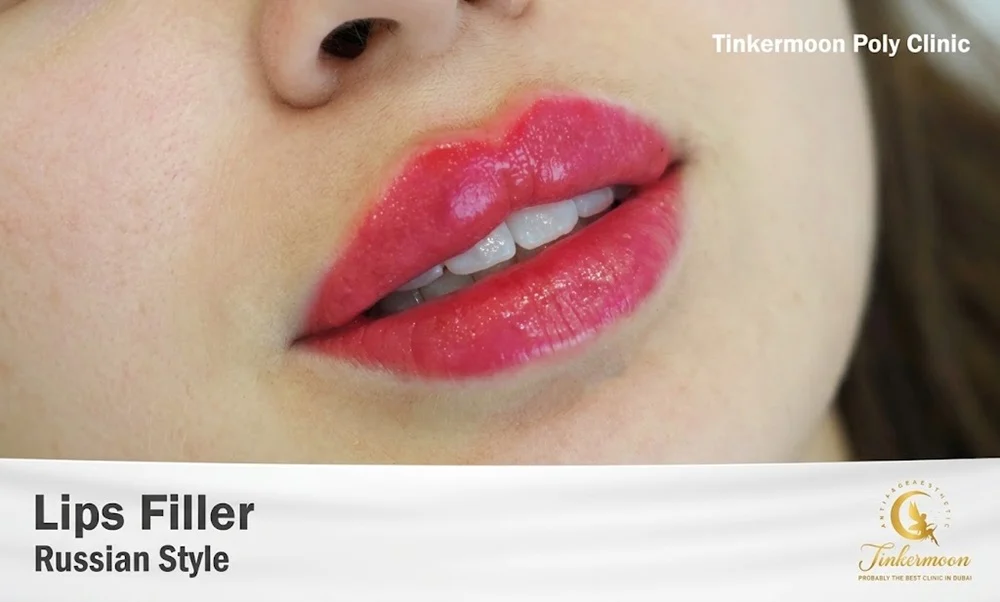
On average, dermal fillers can last around 6 to 18 months, although the exact duration varies between individuals and products.
Typical ranges include:
- Lip fillers: around 6–12 months
- Cheek fillers: around 9–18 months
- Jawline and chin fillers: around 12–18 months
- Under-eye fillers: around 9–12 months
These are general estimates rather than fixed timelines. Some fillers may last longer, while areas with frequent facial movement may show changes sooner.
Over time, the body gradually breaks down and absorbs the filler material, so results usually fade progressively rather than disappearing all at once.
Interested in Dermal Fillers & Face Contouring?
Restore youthful volume and structural definition with premium hyaluronic acid dermal fillers at Tinkermoon Clinic.

What Affects How Long Fillers Last?
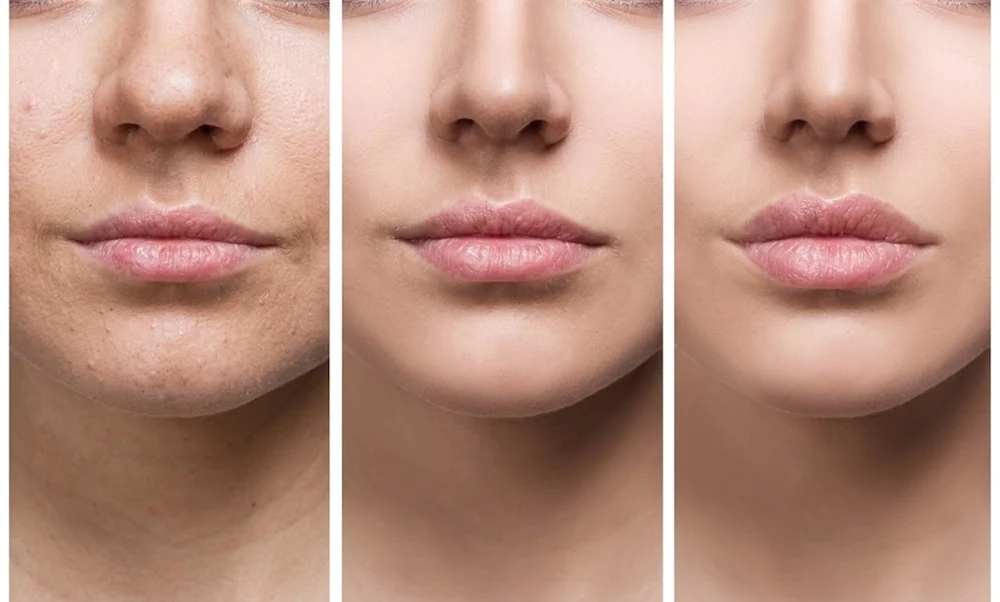
Several factors can influence how long dermal fillers last, including the filler itself, the treatment area, and individual characteristics.
1. Treatment Area
Areas that move frequently, such as the lips, may not retain filler as long as areas with less movement, such as the cheeks, chin, or jawline.
2. Type of Filler Used
Different dermal fillers are formulated for different purposes and areas of the face. Their composition, structure, and properties can affect how long their results remain visible.
3. Individual Metabolism
Individual differences in metabolism can influence how quickly the body processes and breaks down filler. This means two people receiving the same product may experience different durations of results.
4. Treatment Technique and Placement
The injector’s technique and the placement of the filler can affect how the product is distributed and how the final result looks. Appropriate product selection and precise placement are important for achieving a natural-looking outcome.
Dermal Fillers Timeline What to Expect
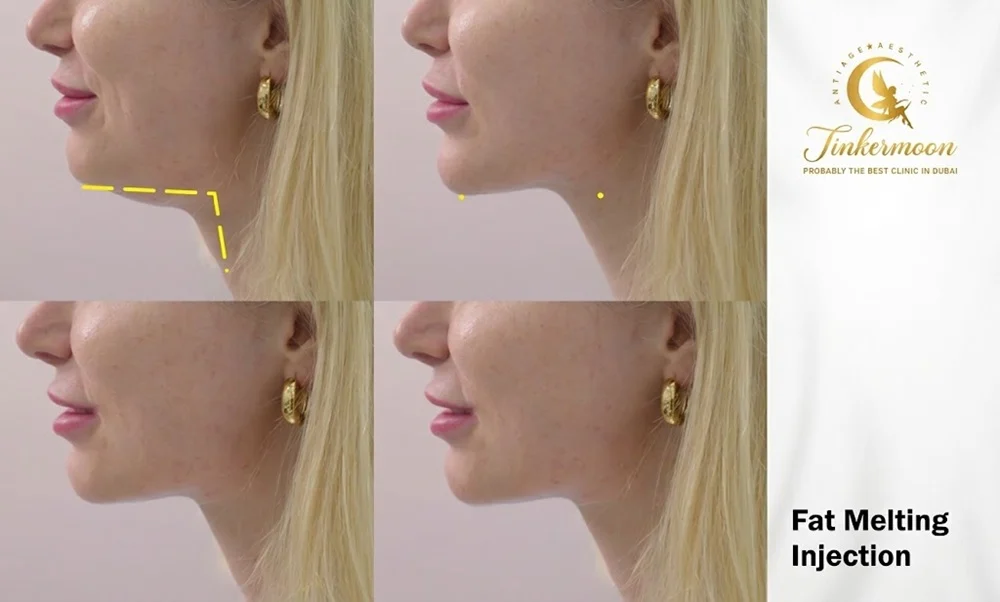
Knowing what to expect after treatment can help you distinguish normal short-term changes from the gradual fading of your results.
Immediately After Treatment
You may experience:
- Mild swelling
- Redness or tenderness
- Temporary asymmetry
- Mild bruising in some cases
These effects generally improve as the initial swelling settles.
Days 3–7
Swelling and tenderness typically begin to decrease, and the treated area may start to look more defined.
Weeks 2–4
The treatment area usually appears more settled, allowing you to better appreciate the overall result.
Following Months
The filler gradually breaks down and the visible effect slowly decreases. The timing varies depending on the product, treatment area, and individual factors.
When Should You Get Dermal Fillers Again?
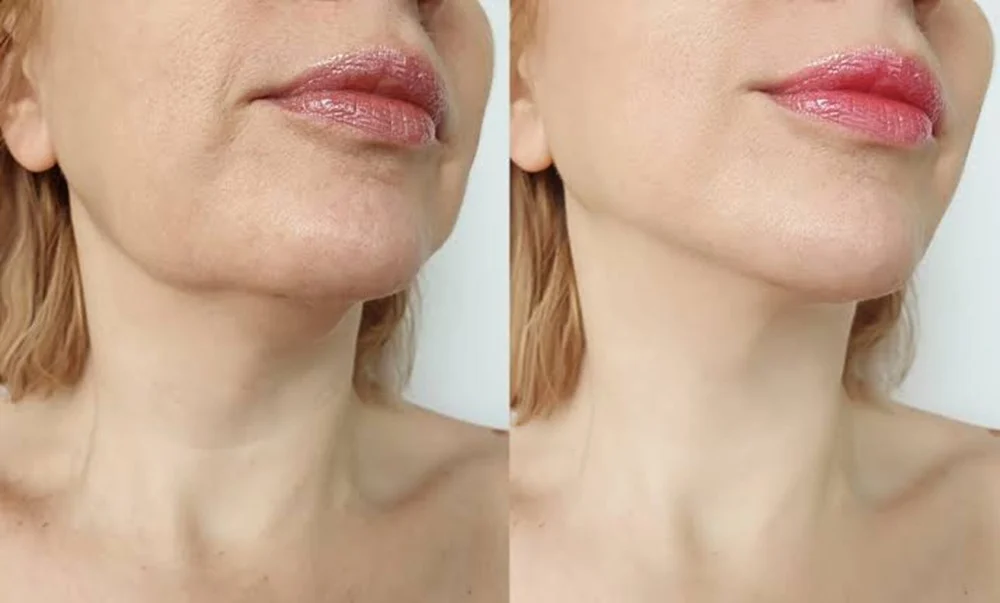
There is no single schedule that works for everyone. A maintenance treatment may be considered when the original results have noticeably reduced and you still want to maintain the desired level of volume or definition.
Instead of automatically repeating treatment at a fixed interval, your next session should be based on how your results have changed and an assessment by a qualified injector.
How to Make Dermal Fillers Last Longer
While you cannot completely prevent the body from naturally breaking down filler, certain habits may help support your overall skin health and treatment results:
- Follow your provider’s aftercare instructions.
- Protect your skin from excessive sun exposure.
- Maintain a healthy lifestyle.
- Stay adequately hydrated.
- Attend follow-up appointments when recommended.
It is also important to avoid assuming that more frequent filler treatments will necessarily produce better or longer-lasting results. Your treatment schedule should be personalized to your needs and the specific filler used.
Dermal Fillers vs. Other Treatments
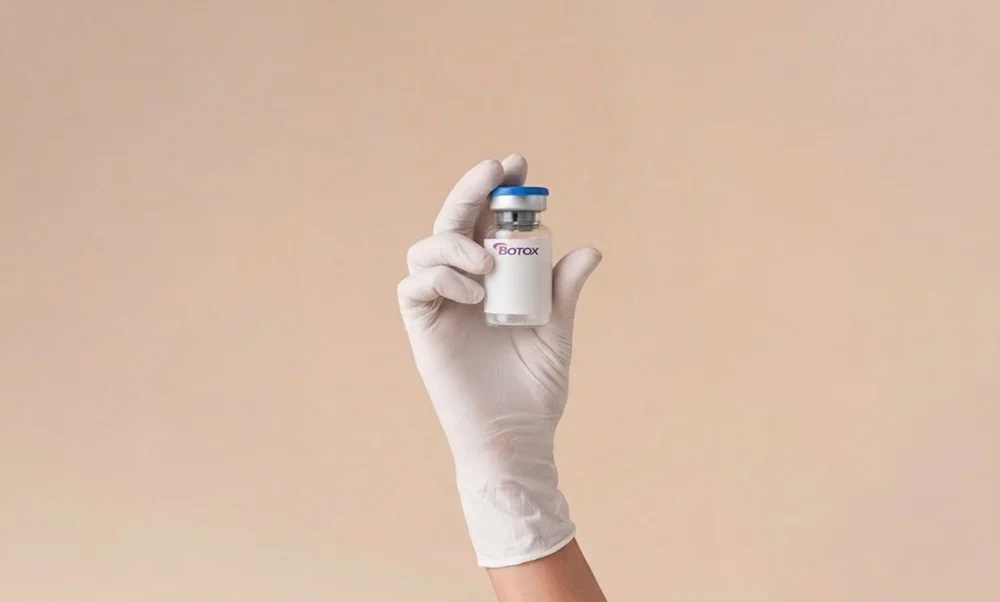
Dermal fillers add or restore volume in specific areas, while muscle relaxers such as Botox work differently by temporarily reducing muscle activity.
If you’re unsure which treatment may be appropriate for your goals, you can also read our guide to Botox for a more detailed comparison.
Frequently Asked Questions
How long do dermal fillers last?
Do fillers last longer the more you get them?
Why do lip fillers not last as long?
Can you make dermal fillers last longer?
Explore More Treatment Options
You can explore additional aesthetic treatments on our services page to learn more about the options available.
Thinking About Dermal Fillers in Dubai?
If you’re considering dermal fillers in Dubai, a consultation with a qualified injector can help determine which filler, treatment area, and treatment plan are appropriate for your goals.
Conclusion
Dermal fillers typically last around 6 to 18 months, but the exact duration depends on factors such as the type of filler, treatment area, and individual metabolism. Results gradually fade as the body naturally breaks down the filler.
Understanding these factors can help you set realistic expectations and plan maintenance treatments when needed. A consultation with a qualified injector can also help determine the most appropriate filler and treatment schedule for your individual needs.