


Dental plaque is a sticky film of bacteria that develops naturally on the teeth throughout the day. If it is not removed regularly, it can contribute to tooth decay, bad breath, gum inflammation, and tartar buildup.
Learning how to remove plaque from teeth effectively involves more than brushing alone. Daily brushing, cleaning between the teeth, fluoride toothpaste, healthy habits, and regular dental care can all help keep plaque under control.
What Is Dental Plaque?
Dental plaque is a thin, sticky layer of bacteria that forms continuously on the teeth. It can develop shortly after eating and drinking and tends to accumulate around the gumline, between the teeth, and in areas that are difficult to reach with a toothbrush.
When plaque remains on the teeth, bacteria can produce acids that gradually weaken tooth enamel. Plaque can also irritate the gums, causing inflammation and increasing the risk of gum disease.
If plaque is not removed regularly, minerals in saliva can cause it to harden into tartar. Unlike soft plaque, tartar cannot usually be removed effectively with a standard toothbrush and requires professional dental cleaning.
Plaque is a soft, sticky film that can usually be removed through regular brushing and interdental cleaning. Tartar, also called calculus, is hardened plaque that cannot be effectively removed with a toothbrush and generally requires professional dental cleaning.
Interested in Teeth Cleaning & Plaque Removal?
Book a comprehensive dental hygiene & plaque removal assessment with Tinkermoon dental specialists at Century Plaza, Jumeirah 1.

Why Is It Important to Remove Plaque from Teeth?
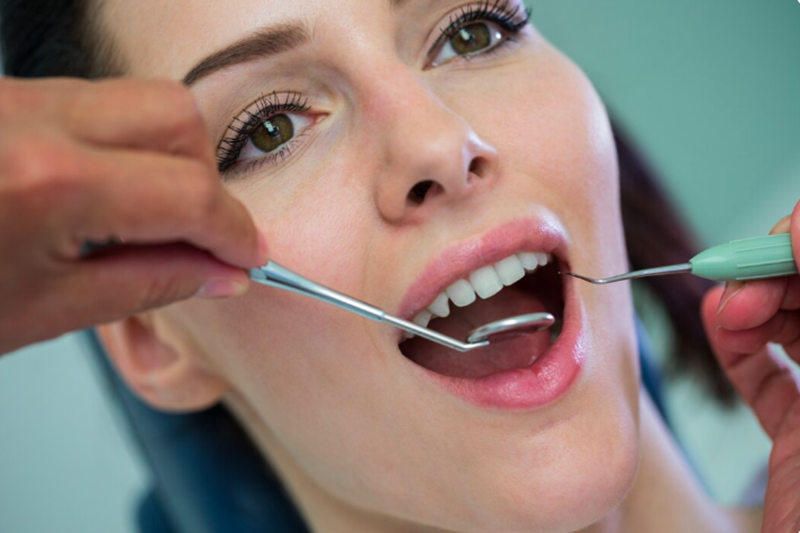
Understanding why plaque removal matters can help you develop better and more consistent oral hygiene habits. Plaque is not simply a cosmetic concern. Over time, accumulated plaque can affect both the teeth and the tissues surrounding them.
Poor plaque control may increase the risk of:
- Tooth decay
- Cavities
- Gum inflammation
- Bleeding gums
- Persistent bad breath
- Tartar buildup
- Periodontal disease
- Tooth loss in advanced cases
The goal is not to prevent plaque from forming completely, because plaque naturally develops throughout the day. Instead, effective oral care focuses on removing it regularly before it has time to cause damage.
1. Brush Your Teeth Twice a Day
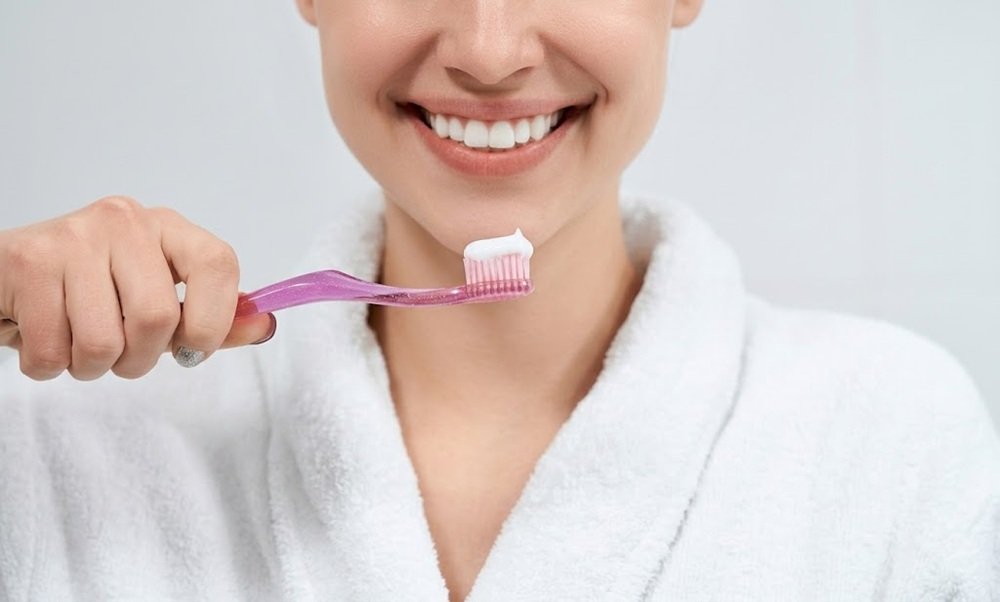
Brushing twice daily remains one of the most effective ways to control plaque. However, brushing frequency alone is not enough. Technique, timing, and consistency all influence how effectively plaque is removed.
Use a soft-bristled toothbrush and fluoride toothpaste. Hold the brush at approximately a 45-degree angle toward the gumline and use gentle, controlled movements.
Make sure you clean:
- The outer surfaces of the teeth
- The inner surfaces
- The chewing surfaces
- The gumline
- The back teeth
- Areas around dental restorations
A complete brushing session should generally take around two minutes.
Avoid Brushing Too Aggressively
Applying excessive pressure does not necessarily improve cleaning. In fact, aggressive brushing may irritate the gums and contribute to enamel wear or gum recession.
A gentle but thorough technique is usually more effective than forceful brushing.
Consider an Electric Toothbrush
Electric toothbrushes can be useful for people who have difficulty maintaining consistent brushing movements. Some models include timers and pressure sensors that can help users brush for the recommended amount of time without applying excessive pressure.
Whether you choose a manual or electric toothbrush, the most important factor is using it correctly and consistently.
2. Clean Between Your Teeth Every Day
One of the most important steps in removing plaque from your teeth is cleaning areas that a toothbrush cannot reach effectively.
Plaque and food particles frequently collect between teeth and underneath the gumline. Dental floss, interdental brushes, or water flossers can help clean these areas more effectively.
Why Interdental Cleaning Matters
The spaces between teeth can provide an ideal environment for bacteria to remain undisturbed. If plaque is left there for extended periods, it may contribute to cavities and gum inflammation.
Cleaning between your teeth once a day can significantly improve your overall oral hygiene routine.
If traditional floss is uncomfortable or difficult to use, speak with your dentist or hygienist about whether interdental brushes or another cleaning method would be more suitable.
Choosing the Right Interdental Cleaning Method
Dental floss, interdental brushes, and water flossers can all help clean between the teeth, but the most suitable option may depend on the size of the spaces between your teeth and your individual oral health needs. Floss can be useful for cleaning tight spaces, while interdental brushes may be more suitable for wider spaces or certain dental appliances. Water flossers can also be a helpful option for people who find traditional floss difficult to use.
3. Pay Special Attention to the Gumline
The gumline is one of the areas people most commonly miss while brushing. Plaque can accumulate where the teeth meet the gums, making proper cleaning particularly important.
Position your toothbrush so that the bristles gently reach the gumline without excessive pressure.
Watch for signs such as:
- Redness
- Swelling
- Bleeding
- Gum tenderness
- Receding gums
- Persistent bad breath
Occasional bleeding should not automatically be dismissed. If your gums continue to bleed despite improving your oral hygiene routine, a professional dental assessment may be appropriate.
4. Use Fluoride Toothpaste
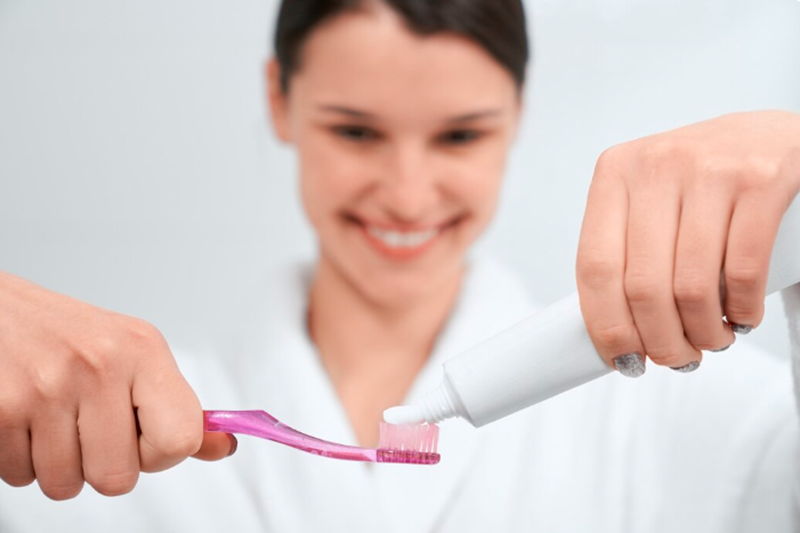
Fluoride toothpaste plays an important role in protecting teeth from decay. Fluoride helps strengthen enamel and improves the teeth’s resistance to acids produced by oral bacteria.
Depending on your oral health needs, your dentist may recommend additional or specialized dental products.
Mouthwash can also be useful in certain circumstances, but it should be considered an addition to your routine rather than a replacement for brushing and interdental cleaning.
Can Mouthwash Help Remove Plaque?
Mouthwash can complement brushing and interdental cleaning by helping reduce bacteria, freshen breath, or provide additional fluoride protection, depending on the product. However, mouthwash should not replace mechanical plaque removal through brushing and cleaning between the teeth.
5. Schedule Regular Professional Dental Cleanings
Even an excellent home-care routine cannot always prevent tartar from developing. When plaque remains on the teeth, it can become mineralized and harden into calculus, commonly known as tartar.
Once tartar forms, normal brushing cannot effectively remove it. Professional dental cleaning is required to safely remove these hardened deposits.
Professional cleaning can help:
- Remove tartar
- Reduce plaque accumulation
- Identify early signs of gum disease
- Detect cavities
- Assess gum health
- Identify areas that require better home care
Regular dental visits are particularly important for people who are prone to tartar buildup, gum disease, or recurring dental problems.
Professional teeth cleaning in Dubai services can also provide an opportunity for a dentist or hygienist to assess your oral health and recommend a personalized cleaning routine.
Can Professional Cleaning Replace Daily Brushing?
Professional cleaning does not replace daily brushing and interdental cleaning. Home care helps control soft plaque, while professional cleaning removes tartar and deposits that cannot be effectively removed at home.
6. Improve Your Diet and Daily Habits

Your everyday habits can influence how quickly plaque-related dental problems develop. Frequent consumption of sugary foods and drinks can give oral bacteria more opportunities to produce acids that attack tooth enamel.
Foods and Drinks to Limit
Try to limit sugary drinks, sweets, sticky sugary foods, and frequent snacking. Repeated exposure to sugar gives oral bacteria more opportunities to produce acids that can contribute to tooth decay.
Consider making the following changes:
- Drink more water
- Reduce sugary drinks
- Limit frequent snacking
- Choose nutrient-rich foods
- Eat a balanced diet
- Avoid tobacco products
- Maintain regular brushing and interdental cleaning
Water can help rinse food particles from the mouth and support healthy saliva production. Saliva naturally helps neutralize acids and provides some protection against tooth decay.
When Is the Best Time to Brush Your Teeth?
Brushing in the morning and before bedtime is generally considered an important part of a consistent oral hygiene routine.
Nighttime brushing is especially important because plaque and food particles can remain on the teeth for several hours while you sleep.
If you consume acidic foods or drinks, your dentist may recommend waiting for a suitable period before brushing rather than brushing immediately after an acidic exposure. This can help reduce unnecessary stress on softened enamel.
Common Plaque-Removal Mistakes

Even people who brush every day can develop significant plaque buildup because of small mistakes in their routine.
Brushing Too Quickly
Rushing through your brushing session may leave areas of the mouth inadequately cleaned. Taking approximately two minutes allows you to give each section of your mouth enough attention.
Ignoring the Back Teeth
Molars can be difficult to reach and contain grooves where food particles and bacteria can collect. Make sure these teeth receive the same attention as the front teeth.
Skipping Interdental Cleaning
A toothbrush cannot effectively clean every surface between your teeth. If you do not clean these areas, plaque can remain undisturbed.
Using Excessive Pressure
Hard brushing can irritate the gums and contribute to enamel wear. Effective cleaning does not require excessive force.
Using an Old Toothbrush
Worn bristles are less effective at cleaning the teeth. Replace your toothbrush or electric toothbrush head according to your dentist’s recommendation and whenever the bristles become noticeably worn.
Signs You May Have Plaque or Tartar Buildup

Plaque is sometimes difficult to see, but several symptoms may indicate that buildup has become a concern.
Possible signs include:
- Persistent bad breath
- Red or swollen gums
- Bleeding during brushing
- A rough feeling on the teeth
- Yellow or brown deposits near the gumline
- Visible tartar
- An unpleasant taste in the mouth
Some dental conditions can develop without obvious symptoms, which is why regular professional examinations remain important even if your teeth appear healthy.
Can Plaque Be Removed Completely?
Plaque cannot be permanently eliminated because bacteria are naturally present in the mouth and plaque begins forming again after cleaning.
The goal is to control plaque by removing it regularly and preventing it from accumulating for long periods.
When Should You See a Dentist?
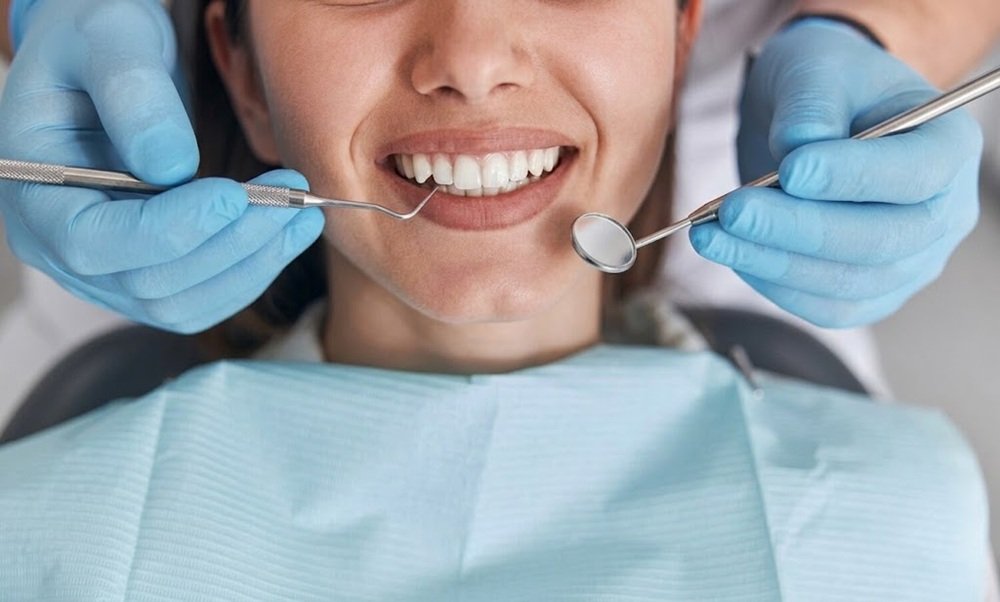
You should consider scheduling a dental appointment if you experience persistent gum bleeding, swelling, tooth pain, sensitivity, bad breath, visible tartar, or loose teeth.
You should also seek professional advice if your oral hygiene routine does not seem to improve ongoing symptoms.
Early assessment can help identify problems before they become more advanced and potentially require more complex treatment.
FAQ
How often should I brush my teeth?
What is the most effective way to remove plaque from teeth?
Can flossing remove plaque between teeth?
Can I remove hardened tartar at home?
Does mouthwash remove plaque?
How quickly does plaque form?
Why do my teeth still have plaque even though I brush twice a day?
Conclusion
Learning how to Remove Plaque from Teeth effectively is an important part of maintaining healthy teeth, gums, and fresh breath. Although plaque is a natural part of the oral environment, allowing it to remain on the teeth can increase the risk of cavities, tartar, gum inflammation, and periodontal disease.
The most effective strategy combines proper brushing, daily interdental cleaning, fluoride toothpaste, healthy dietary habits, and regular professional dental care.
Rather than relying on a single product or occasional deep cleaning, focus on building a consistent routine. When plaque is removed regularly and early signs of dental problems are addressed promptly, you can significantly improve your chances of maintaining healthier teeth and gums over the long term.