


TrapTox is a cosmetic treatment that uses botulinum toxin injections in the trapezius muscles to create a slimmer-looking shoulder line and a more elongated neck appearance. Also known as shoulder Botox or Barbie Botox, the treatment has gained attention among people looking to reduce the visual prominence of their upper trapezius muscles without surgery.
But can TrapTox actually change your appearance, how long do the results last, and who may be a suitable candidate? Here is what to know before considering the treatment in 2026.
What Is TrapTox?
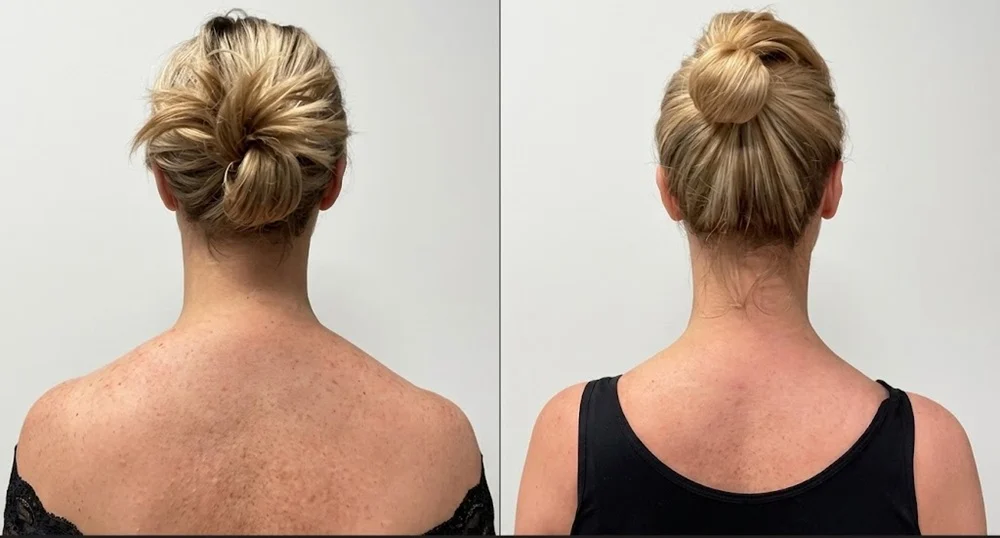
TrapTox is a cosmetic procedure that involves injecting botulinum toxin into the upper trapezius muscles. These muscles extend from the neck across the shoulders and play an important role in shoulder movement and stability.
Botulinum toxin temporarily reduces nerve signals to the targeted muscles. When muscle activity decreases, the trapezius may gradually become less prominent, potentially creating a softer and more elongated-looking neck and shoulder contour.
TrapTox does not remove fat, change bone structure, or physically make the neck longer. Its visible effect primarily depends on how much muscle contributes to the appearance of the shoulders.
Interested in Botox & Anti-Wrinkle Treatments?
Smooth dynamic lines and achieve a naturally refreshed appearance with expert Botox at Tinkermoon Clinic, Jumeirah 1.

How Does TrapTox Work?
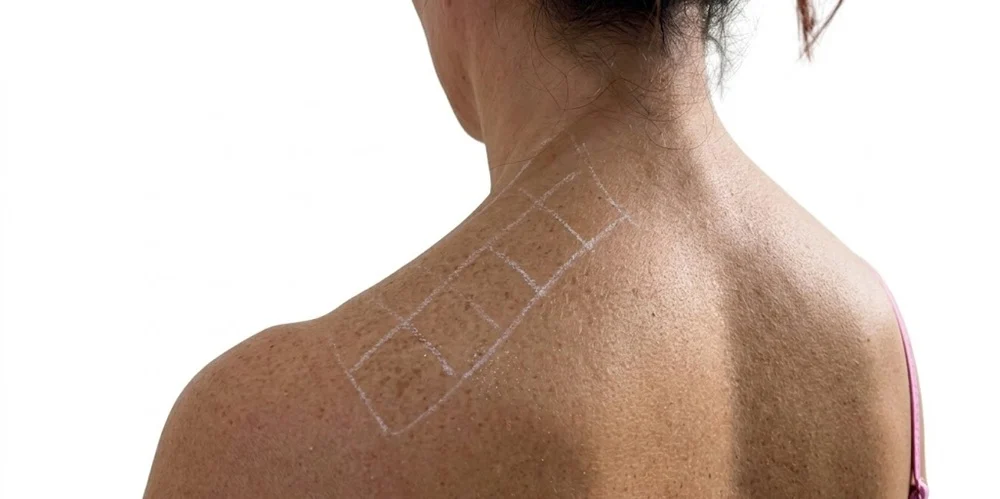
Botulinum toxin works by temporarily blocking the nerve signals responsible for muscle contraction. When it is injected into the trapezius, muscle activity is reduced.
Over time, reduced activity can decrease muscle bulk. This may make the upper trapezius appear less prominent and create a more streamlined shoulder-to-neck transition.
The treatment plan can vary depending on:
- Trapezius muscle size
- Individual anatomy
- Shoulder symmetry
- Desired aesthetic outcome
- Muscle activity and strength
- Medical history
Because the trapezius is a functional muscle, precise assessment and injection technique are important.
Can TrapTox Make Your Shoulders Look Smaller?
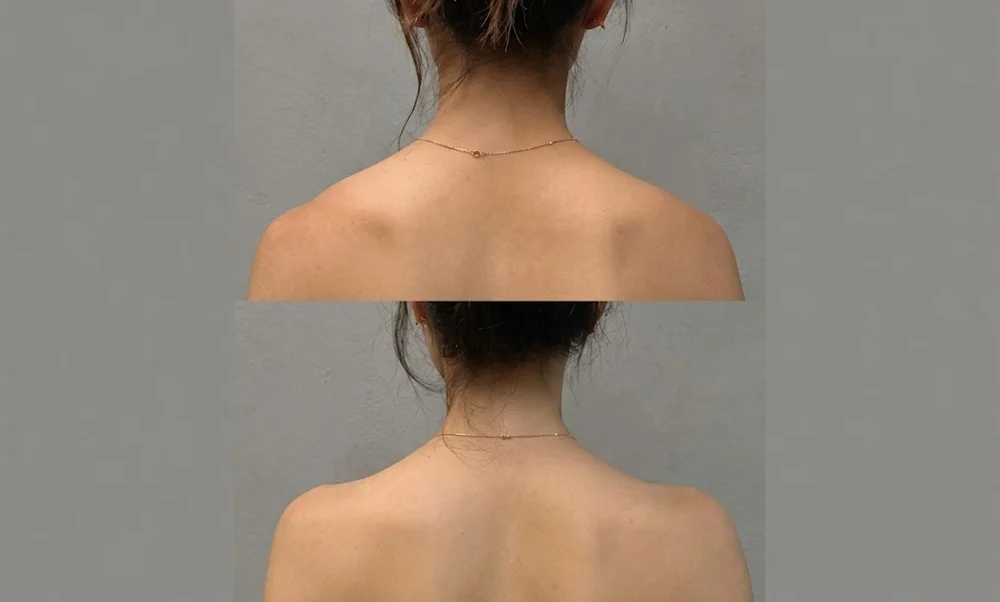
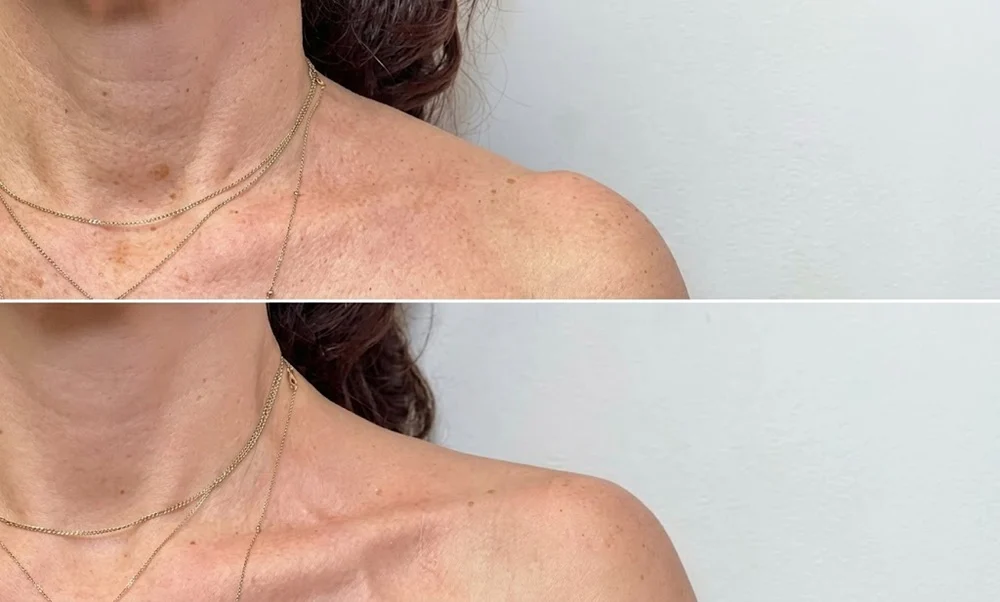
TrapTox may make the shoulders look narrower or less bulky when prominent trapezius muscles contribute to their appearance.
However, it does not reduce the width of the shoulder bones or change the structure of the clavicles. If shoulder width is mainly determined by skeletal anatomy, the visible change may be limited.
This is why TrapTox is not simply a shoulder-slimming treatment for everyone. A consultation can help determine whether trapezius muscle bulk is actually contributing to the appearance you want to change.
When Do TrapTox Results Appear?
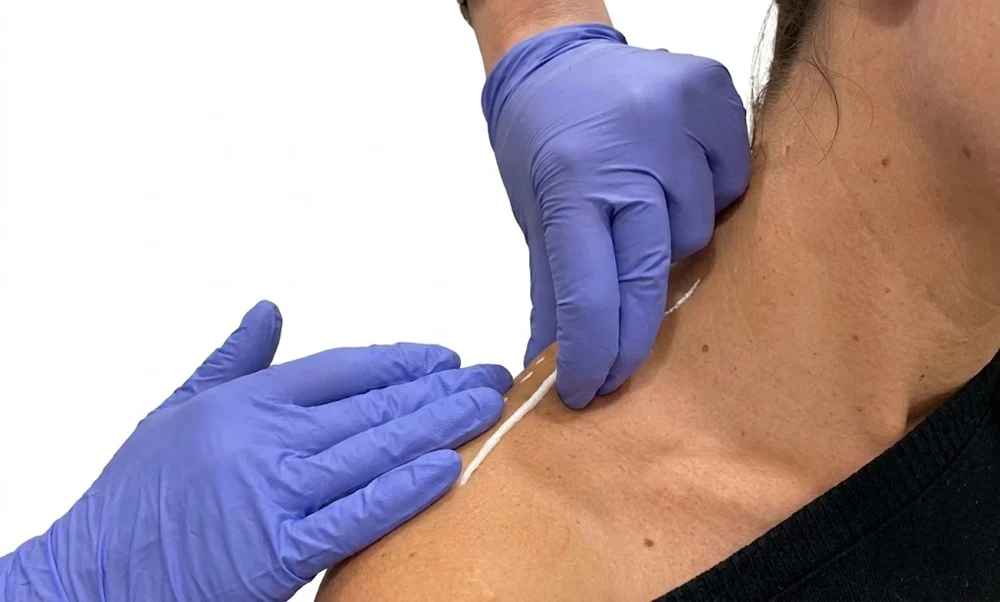
TrapTox results are not immediate. Botulinum toxin gradually reduces muscle activity, so visible changes usually develop over the following weeks.
The degree and timing of the result can vary based on the individual, injection technique, dose, and amount of trapezius muscle being treated.
Research on trapezius botulinum toxin treatments has reported measurable changes in muscle size and contour during follow-up, although studies remain relatively limited. A 2026 randomized clinical trial involving 20 women with trapezius hypertrophy found significant contour reductions at 12 weeks after treatment.
How Long Does TrapTox Last?
TrapTox is a temporary treatment. As the effects of botulinum toxin gradually wear off, muscle activity can return and the trapezius may regain some of its previous size.
A 2025 systematic review of studies on trapezius botulinum toxin reported that treatment effects generally lasted around four to five months, although results varied between studies and treatment protocols.
Some patients may consider maintenance treatments when the effect decreases. The appropriate timing depends on individual response and should be determined by a qualified medical professional.
Who Is a Good Candidate for TrapTox?

TrapTox may be considered by adults who have prominent upper trapezius muscles and want a softer or slimmer-looking shoulder and neck contour.
You may be a potential candidate if you:
- Have noticeable trapezius muscle bulk
- Want a non-surgical approach to shoulder contouring
- Have realistic expectations about temporary results
- Understand that TrapTox does not change bone structure
- Are medically suitable for botulinum toxin treatment
Not everyone with broad or elevated-looking shoulders will benefit equally. Muscle size, posture, skeletal structure, and body composition can all influence the appearance of the shoulder area.
What Are the Side Effects of TrapTox?
Like other botulinum toxin treatments, TrapTox can cause side effects. Because the trapezius contributes to neck and shoulder movement, treatment requires careful consideration of muscle function.
Possible side effects include:
- Temporary muscle weakness
- Injection-site pain or discomfort
- Changes in shoulder movement
- Neck or shoulder discomfort
- Unintended effects if the toxin affects nearby muscles
A 2025 systematic review found temporary weakness among some patients treated with botulinum toxin in the trapezius and highlighted the need for further research and standardized treatment protocols.
A medical consultation is important before treatment to discuss your medical history, expectations, and potential risks.
TrapTox vs. Traditional Botox: What’s the Difference?
The main difference is the treatment area and goal.
TrapTox targets the trapezius muscles and is generally performed for shoulder and neck contouring.
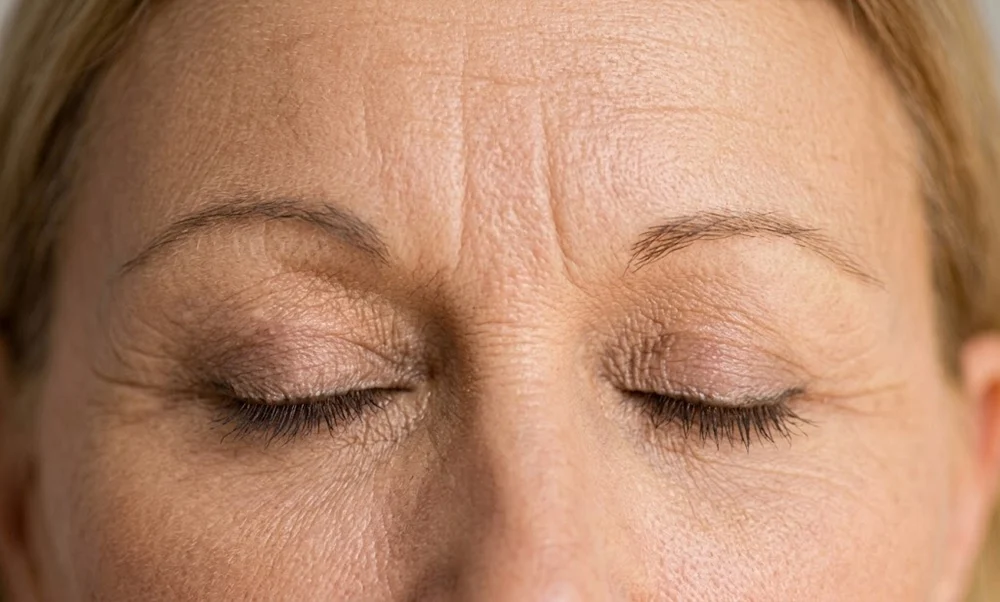
Traditional cosmetic Botox is commonly used in areas such as the forehead, glabella, and crow’s feet to temporarily reduce the appearance of certain facial lines.
Both treatments use botulinum toxin to reduce targeted muscle activity, but the anatomy and treatment objectives are different.
Is TrapTox the Same as Barbie Botox?
Yes. Barbie Botox is another popular name for cosmetic botulinum toxin injections into the trapezius muscles.
The term became associated with the aesthetic goal of creating a more slender-looking neck and shoulder line. It does not refer to a separate type of Botox.
The product used, injection points, dosage, and treatment plan can vary between providers.
Can TrapTox Help With Neck or Shoulder Tension?
Some people become interested in TrapTox because their trapezius muscles feel tense or appear highly developed. However, cosmetic TrapTox should not automatically be considered a treatment for chronic neck or shoulder pain.
Botulinum toxin has established medical uses for certain muscle-related conditions, but the cause of persistent pain or restricted movement should be assessed before treatment.
If you experience ongoing pain, weakness, headaches, or limited shoulder movement, a medical evaluation may be more appropriate than treating the area solely for cosmetic reasons.
How to Choose a Botox Doctor for TrapTox in Dubai
Choosing an experienced medical professional is particularly important for TrapTox because the treatment involves a functional muscle group.
When choosing a provider in Dubai, consider:
- Relevant medical qualifications
- Experience with botulinum toxin injections
- Knowledge of trapezius anatomy
- Individualized treatment planning
- Clear discussion of expected results and limitations
- Explanation of potential side effects and aftercare
If you are considering Botox treatment in Dubai, you can learn more about your options and consult the best botox doctor in Dubai through Tinkermoon’s Botox service.
Frequently Asked Questions About TrapTox
How long does TrapTox take to work?
Does TrapTox permanently make your shoulders smaller?
How long does TrapTox last?
Is TrapTox safe?
Does TrapTox reduce shoulder fat?
Is TrapTox permanent?
Final Thoughts
TrapTox can offer a non-surgical way to reduce the visual prominence of the upper trapezius muscles and create a softer-looking neck and shoulder contour. However, results depend heavily on individual anatomy and muscle development.
Because TrapTox involves a functional muscle, appropriate assessment and precise treatment planning are essential. A consultation with a qualified medical professional can help determine whether the treatment matches your anatomy and aesthetic goals.