Dermal fillers have become one of the most popular non-surgical cosmetic treatments worldwide. From enhancing facial contours and restoring lost volume to reshaping certain areas of the body, fillers offer a versatile solution for individuals seeking aesthetic improvements without the downtime associated with surgery.
However, many people assume that all fillers are the same and can be used interchangeably throughout the body. In reality, there are significant differences between products designed for facial rejuvenation and those intended for body contouring. Understanding the Difference Between Facial Fillers and Body Fillers is essential for achieving safe, natural-looking, and long-lasting results.
This guide explores how facial and body fillers differ in terms of composition, density, treatment goals, longevity, injection techniques, and overall suitability for various aesthetic concerns.
What Are Dermal Fillers?
Dermal fillers are injectable substances used to restore volume, improve contours, smooth wrinkles, and enhance facial or body features. Most modern fillers are formulated with biocompatible ingredients that work safely within the body’s tissues.
The most commonly used filler materials include:
- Hyaluronic acid (HA)
- Calcium hydroxylapatite (CaHA)
- Poly-L-lactic acid (PLLA)
- Polycaprolactone (PCL)
Each type has unique characteristics that make it suitable for specific treatment areas and aesthetic goals
Why Are Different Fillers Needed for the Face and Body?

The face and body have completely different anatomical structures and functional requirements.
Facial tissues are delicate, highly expressive, and constantly moving due to facial expressions. Fillers used in these areas must be soft, flexible, and capable of producing subtle, natural-looking enhancements.
Body areas, on the other hand, typically require larger amounts of volume and are subjected to greater pressure and movement. Fillers designed for body contouring need higher density, stronger structural support, and greater durability.
For this reason, manufacturers develop specialized products specifically for facial treatments and others for body enhancement procedures.
Characteristics of Facial Fillers
Facial fillers are designed to provide precision, flexibility, and natural movement. These products integrate smoothly into facial tissues and allow expressions to remain natural after treatment.
Common treatment areas include:
- Lips
- Cheeks
- Jawline
- Chin
- Nasolabial folds
- Marionette lines
- Under-eye hollows
- Temples
The primary objective of facial fillers is to enhance facial harmony while preserving natural appearance.
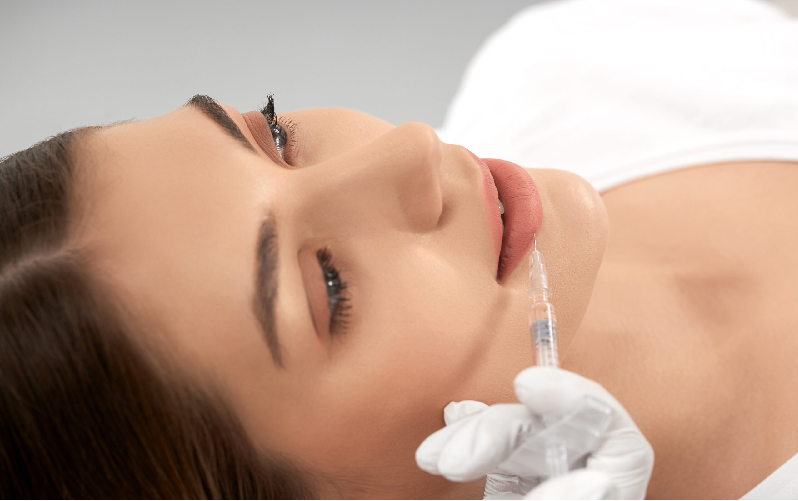
One of the most requested cosmetic procedures today is lip filler dubai, as patients seek fuller, more defined lips without undergoing surgery.
Benefits of Facial Fillers
Facial fillers offer numerous advantages, including:
- Immediate results
- Minimal downtime
- Natural-looking enhancement
- Improved facial symmetry
- Reduction of age-related volume loss
- Customizable treatment plans
Because facial features are highly visible, practitioners must carefully control placement and volume to avoid an overfilled or artificial appearance.
Characteristics of Body Fillers
Body fillers are specifically formulated to address larger treatment areas that require substantial volume enhancement.
These fillers are commonly used for:
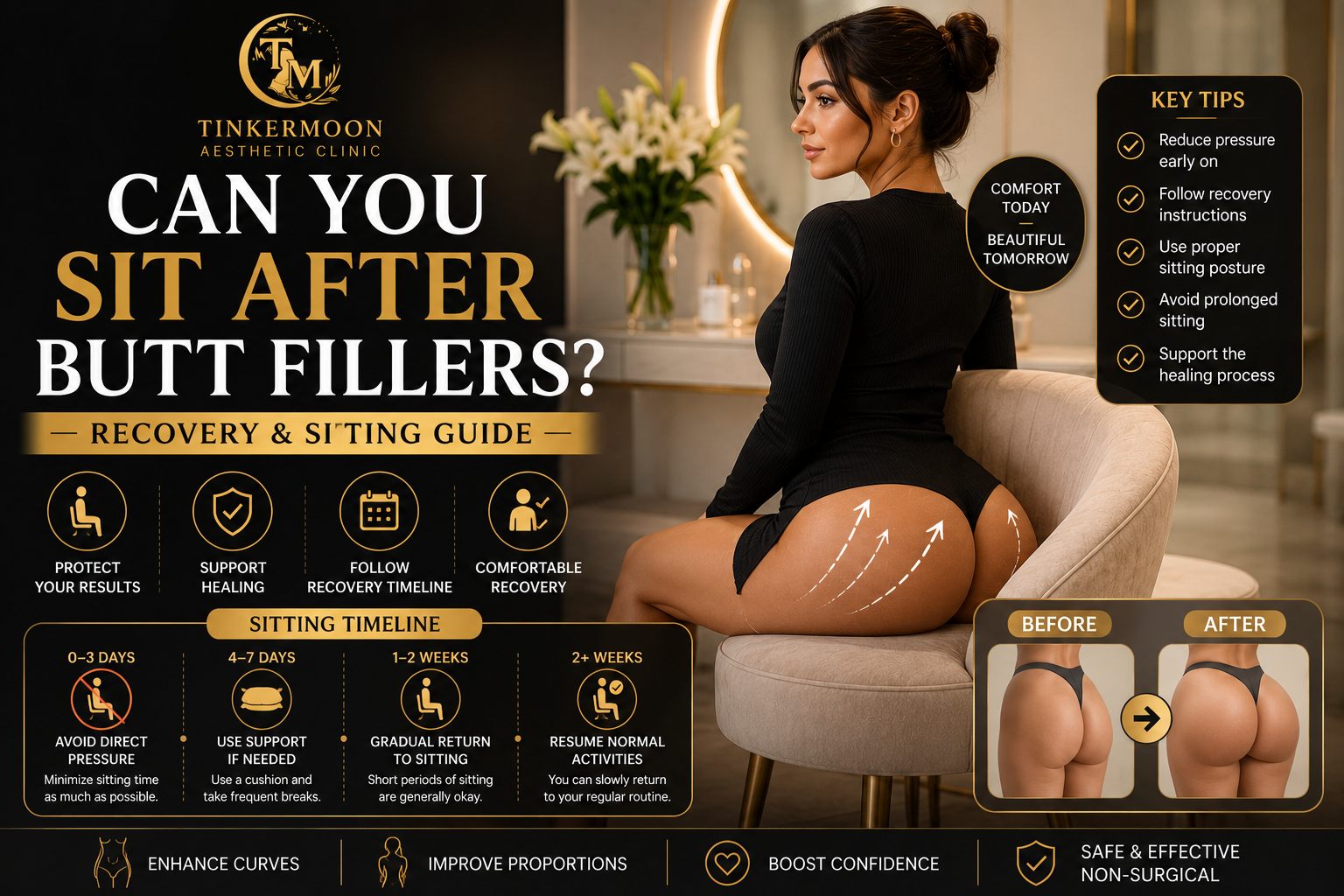
- Buttock augmentation
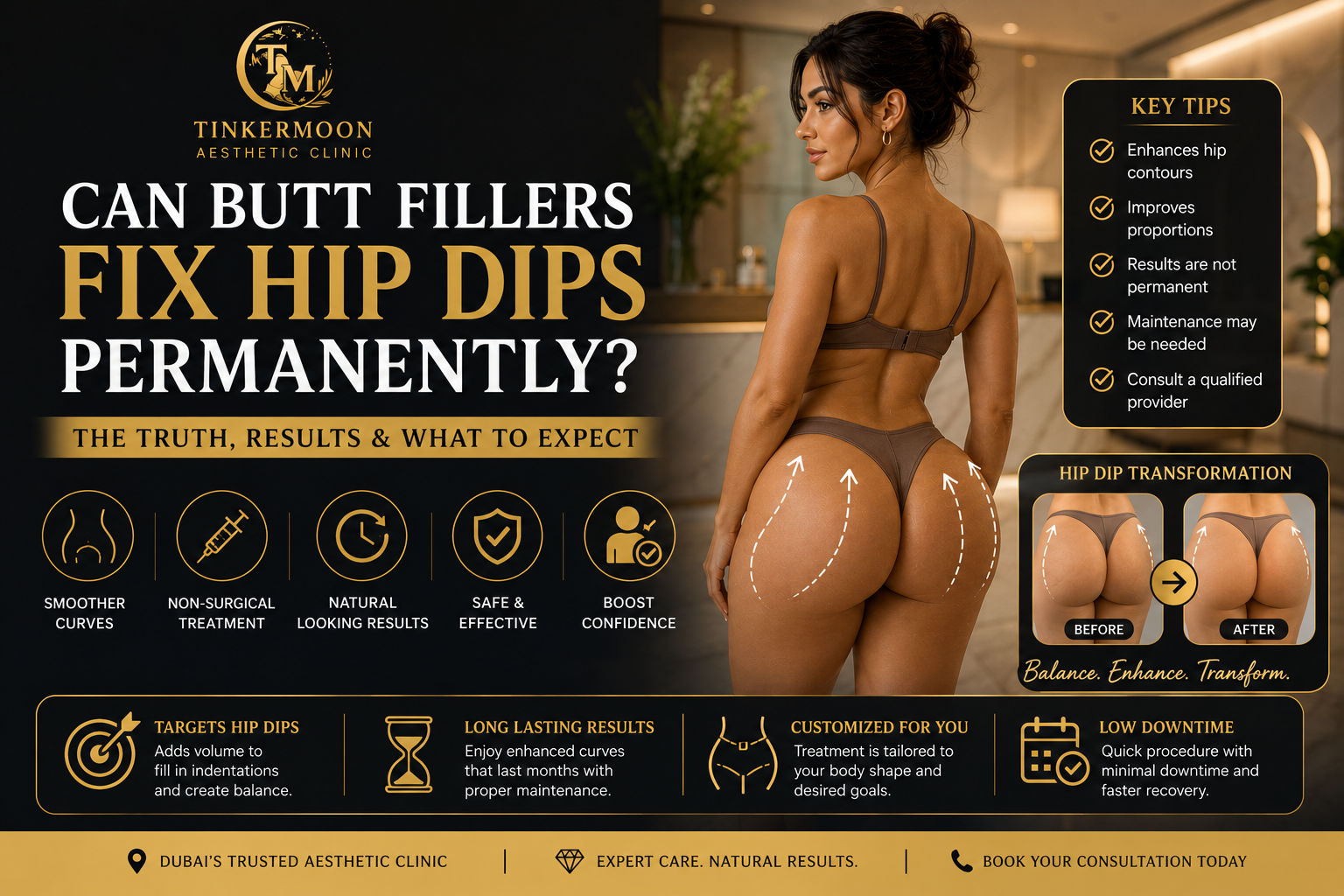
- Hip dips correction
- Hand rejuvenation
- Body contour irregularities
- Certain breast enhancement procedures
- Post-weight-loss volume restoration
Compared to facial fillers, body fillers are generally denser and designed to maintain their shape despite continuous pressure and movement.
Benefits of Body Fillers
Body fillers provide several advantages for patients seeking non-surgical body contouring:
- Enhanced volume without implants
- Minimal recovery time
- Reduced surgical risks
- Improved body proportions
- Natural-looking contour improvements
For individuals seeking non-surgical gluteal enhancement, butt filler dubai treatments have become an increasingly popular option. Key Difference #1: Filler Density and Consistency

One of the most important distinctions between facial and body fillers is their density.
Facial Fillers
Facial fillers are generally softer and more flexible. This allows them to move naturally with facial expressions while maintaining a smooth appearance beneath the skin.
A softer formulation is especially important in delicate areas such as:
- Lips
- Under-eye region
- Nasolabial folds
These areas require subtle correction rather than dramatic volume enhancement.
Body Fillers
Body fillers are significantly denser and more robust.
Since they are used in larger anatomical regions, they must provide structural support and maintain volume over time. A softer facial filler would typically not withstand the demands of body contouring procedures.
This difference in density is one of the primary reasons why facial and body fillers cannot simply be substituted for one another.
Volume Requirements
The amount of filler required varies dramatically between facial and body treatments.
For facial procedures, only small quantities are usually necessary. Many treatments require just one or two syringes to achieve noticeable improvement.
Examples include:
- Lip enhancement
- Chin augmentation
- Cheek contouring
Body contouring treatments, however, often require substantially larger volumes.
A patient seeking buttock enhancement or correction of hip dips may require multiple vials of filler to achieve the desired result.
As a result, treatment planning, cost, and procedure duration differ significantly between facial and body filler treatments.
Treatment Goals
The goals of facial and body filler procedures are not the same.
Facial Filler Goals
Facial treatments typically focus on:
- Restoring youthful volume
- Enhancing facial features
- Softening wrinkles
- Improving symmetry
- Refining facial contours
The emphasis is usually on subtle, balanced enhancement.
Body Filler Goals
Body filler procedures are primarily intended for:
- Increasing volume
- Improving body proportions
- Correcting contour irregularities
- Enhancing shape and projection
These treatments often produce more dramatic changes compared to facial filler procedures.
Longevity and Durability
Another important factor is treatment longevity.
The lifespan of any filler depends on several factors, including:
- Product formulation
- Treatment area
- Individual metabolism
- Lifestyle habits
- Injection technique
Generally speaking, facial fillers last between 6 and 18 months.
Body fillers are often formulated for longer-lasting performance and may remain effective for several years, depending on the specific product used.
Because body fillers are subjected to different mechanical forces, manufacturers design them to provide greater structural stability over time.
Injection Techniques
Injection methods also differ considerably.
Facial Filler Techniques
Facial injections require exceptional precision because facial anatomy contains numerous blood vessels, nerves, and muscles.
Practitioners often use:
- Fine needles
- Microcannulas
- Layered injection techniques
- Advanced contouring methods
Every millimeter matters when working in highly visible facial areas.
Body Filler Techniques
Body filler procedures focus on larger treatment zones and often involve deeper injections.
The technique emphasizes:
- Volume distribution
- Symmetry
- Structural support
- Smooth contour transitions
Because of the larger treatment areas, body procedures may take longer and require more extensive planning.
Safety Considerations
Both facial and body fillers can be highly effective when performed by qualified medical professionals.
However, patient safety depends on several factors:
- Appropriate product selection
- Proper injection technique
- High-quality filler materials
- Comprehensive consultation
- Experienced practitioner
Using a facial filler in a body area or vice versa can compromise results and potentially increase the risk of complications.
For this reason, treatment should always be customized according to the specific area being treated.
Choosing the Right Filler
Selecting the ideal filler requires a detailed assessment of the patient’s anatomy, goals, and medical history.
A skilled practitioner will evaluate:
- Skin quality
- Age-related changes
- Desired outcome
- Existing facial or body proportions
- Previous cosmetic treatments
The best treatment plans prioritize natural-looking enhancement rather than excessive volume.
Patients interested in lip augmentation often spend time researching the best lip fillers dubai clinics and products to ensure both safety and optimal aesthetic outcomes.
Cost Differences Between Facial and Body Fillers
Pricing varies considerably depending on the treatment area and the amount of product required.
Factors that influence cost include:
- Type of filler used
- Brand reputation
- Practitioner expertise
- Treatment complexity
- Number of syringes needed
- Clinic location
Because body procedures generally require significantly more filler, they tend to be more expensive than facial treatments.
For example, many patients researching lip enhancement begin by comparing lip fillers dubai price options across different clinics before scheduling a consultation.
Who Is a Good Candidate for Fillers?
Good candidates for facial or body fillers typically include individuals who:
- Want non-surgical enhancement
- Have realistic expectations
- Are in good overall health
- Seek temporary or semi-permanent improvements
- Prefer minimal downtime
A professional consultation is always necessary to determine the most appropriate treatment approach.
While facial fillers and body fillers belong to the same category of injectable aesthetic treatments, they are designed for very different purposes. Facial fillers focus on precision, flexibility, and natural facial enhancement, while body fillers are engineered to provide substantial volume, structural support, and long-lasting contour improvements.
Understanding the Difference Between Facial Fillers and Body Fillers helps patients make informed decisions and choose treatments that align with their aesthetic goals. Whether you are considering facial rejuvenation or body contouring, selecting the right filler and an experienced medical professional is essential for achieving safe, natural, and satisfying results.