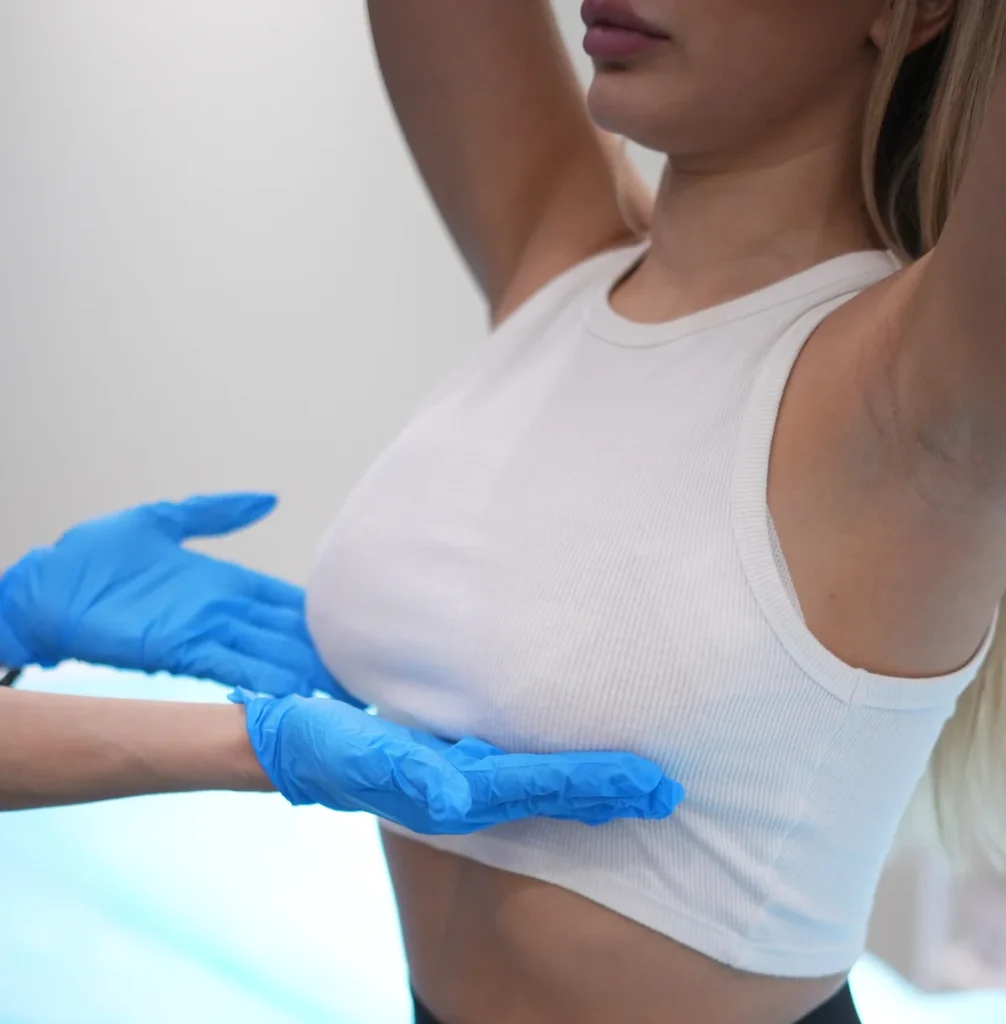


Breast enhancement has become one of the most popular cosmetic procedures worldwide, offering women the opportunity to improve breast volume, shape, symmetry, and overall body proportions. Thanks to advances in aesthetic medicine, patients now have multiple options beyond traditional implants, making it more important than ever to understand the available Types of Breast Augmentation before making a decision.
Every individual has unique goals, anatomy, and expectations. For clinical proportion benchmarks — including the 45:55 ratio and natural shape types — see what perfect breasts look like. The ideal breast augmentation technique depends on factors such as body shape, existing breast tissue, lifestyle, recovery preferences, and desired results. Rather than focusing on trends, the best approach is one that complements your natural proportions while delivering long-lasting satisfaction.
Many patients researching breast augmentation dubai are interested in learning about the latest surgical and non-surgical techniques offered by internationally recognized aesthetic clinics. Understanding each option can help you choose the treatment that aligns with your personal goals.
Why Understanding the Types of Breast Augmentation Matters
Breast augmentation is not a one-size-fits-all procedure. Modern cosmetic surgery offers multiple techniques, each with unique advantages and considerations.
Choosing the right method can help achieve:
- Better body proportions
- Improved breast symmetry
- Natural-looking results
- Greater confidence
- Long-term satisfaction
A thorough consultation with an experienced plastic surgeon is essential to determine which option best suits your anatomy and expectations.
Interested in Breast Aesthetics & Enhancement?
Book a confidential clinical consultation for breast aesthetics and contouring at Tinkermoon Clinic, Century Plaza.

Types of Breast Augmentation
There are several recognized Types of Breast Augmentation, each designed to address different cosmetic goals.
1. Silicone Breast Implants
Silicone implants remain the most commonly selected option worldwide due to their soft texture and natural appearance.
Benefits
- Natural feel
- Wide variety of sizes and profiles
- Long-lasting results
- Excellent shape retention
Best Candidates
Women seeking a fuller appearance with realistic softness often choose silicone implants.
2. Saline Breast Implants
Saline implants are filled with sterile salt water after placement, allowing for smaller incisions during surgery.
Advantages
- Adjustable volume
- Safe saline solution
- Smaller surgical incision
- Easy rupture detection
Considerations
They may feel slightly firmer than silicone implants, especially in patients with thinner breast tissue.
3. Fat Transfer Breast Augmentation
Also known as autologous fat grafting, this technique uses the patient’s own fat harvested through liposuction.
Advantages
- No artificial implants
- Natural appearance
- Dual body contouring benefits
- Minimal risk of allergic reaction
Limitations
Volume enhancement is generally more subtle than implant-based procedures.
4. Composite Breast Augmentation
Composite augmentation combines silicone implants with fat grafting.
This approach provides:
- Improved implant coverage
- Softer contours
- Enhanced cleavage
- More natural transitions between implant and surrounding tissue
It is becoming increasingly popular among patients seeking highly customized results.
5. Gummy Bear Implants
Form-stable silicone implants, commonly called gummy bear implants, maintain their shape even if the shell is damaged.
Benefits
- Excellent shape retention
- Natural anatomical contour
- Reduced implant folding
- Lower risk of leakage
These implants are particularly suitable for women seeking a teardrop-shaped breast profile.
6. Round Breast Implants
Round implants remain one of the most versatile choices.
Advantages
- Fuller upper breast
- Enhanced cleavage
- Symmetrical appearance
- Various projection options
They are often selected by patients who desire noticeable fullness without dramatically changing breast anatomy.
7. Anatomical (Teardrop) Implants
These implants mimic the natural slope of the breast by providing more volume in the lower portion.
Benefits
- Highly natural appearance
- Gradual upper pole contour
- Ideal for breast reconstruction
- Suitable for slender body types
Proper surgical placement is essential to prevent implant rotation.
Factors to Consider Before Choosing Breast Augmentation
Several important factors should influence your decision.
Body Proportions
Implant size should complement your shoulders, waist, hips, and overall physique.
Existing Breast Tissue
Patients with more natural tissue often have more flexibility in implant selection.
Lifestyle
Athletes and highly active individuals may benefit from different implant placement techniques compared to less active patients.
Long-Term Goals
Think beyond immediate appearance. Consider future pregnancy, aging, weight fluctuations, and maintenance requirements.
Benefits of Modern Breast Augmentation
Today’s procedures are safer and more customizable than ever before.
Advantages include:
- Improved body confidence
- Better breast symmetry
- Enhanced clothing fit
- Personalized surgical planning
- Long-lasting aesthetic improvements
Technological advancements have also improved implant materials and surgical techniques, resulting in more predictable outcomes.
Recovery After Breast Augmentation
Recovery varies depending on the procedure performed.
Most patients experience:
- Mild swelling
- Temporary discomfort
- Tightness in the chest
- Gradual improvement over several weeks
Following your surgeon’s post-operative instructions plays a major role in achieving optimal healing and maintaining long-term results.
Choosing the Right Surgeon
Regardless of the technique selected, surgeon experience remains one of the most important factors influencing results.
Look for professionals who provide:
- Comprehensive consultation
- Personalized treatment plans
- Extensive surgical experience
- Accredited medical facilities
- Transparent discussion of risks and expectations
A skilled surgeon will recommend the procedure that best matches your anatomy rather than simply following cosmetic trends.
Risks and Considerations
Like any surgical procedure, breast augmentation carries potential risks.
Possible complications include:
- Infection
- Capsular contracture
- Implant rupture
- Changes in nipple sensation
- Implant displacement
Fortunately, advances in surgical methods have significantly reduced complication rates when procedures are performed by qualified specialists.
FAQ
Which type of breast augmentation looks the most natural?
How long do breast implants last?
Is fat transfer better than implants?
Will breast augmentation affect breastfeeding?
How do I choose the right implant size?
Conclusion
Understanding the different Types of Breast Augmentation is the first step toward making an informed and confident decision. With today’s wide range of surgical and non-surgical options, patients can choose a procedure that aligns with their anatomy, lifestyle, and long-term aesthetic goals.
Whether you are considering silicone implants, fat transfer, composite techniques, or advanced anatomical implants, personalized planning remains the key to achieving beautiful and natural-looking results. Many individuals exploring breast implants in dubai seek experienced specialists who combine advanced technology with customized treatment plans to deliver safe, balanced, and long-lasting outcomes.