Breast Anatomy: Milk Ducts, Tissue, Conditions & Physiology
Breast anatomy is more than breast size and shape. Inside the breast, milk-producing glands, milk ducts, connective tissue, blood vessels, nerves, and lymphatic structures work together to support breast function and health. Understanding these structures can help you recognize normal changes and better understand common breast conditions.
What Is Breast Anatomy?
Breast anatomy refers to the internal and external structures that make up the breast. Although breasts vary greatly in size and shape, their underlying anatomical components remain largely the same.
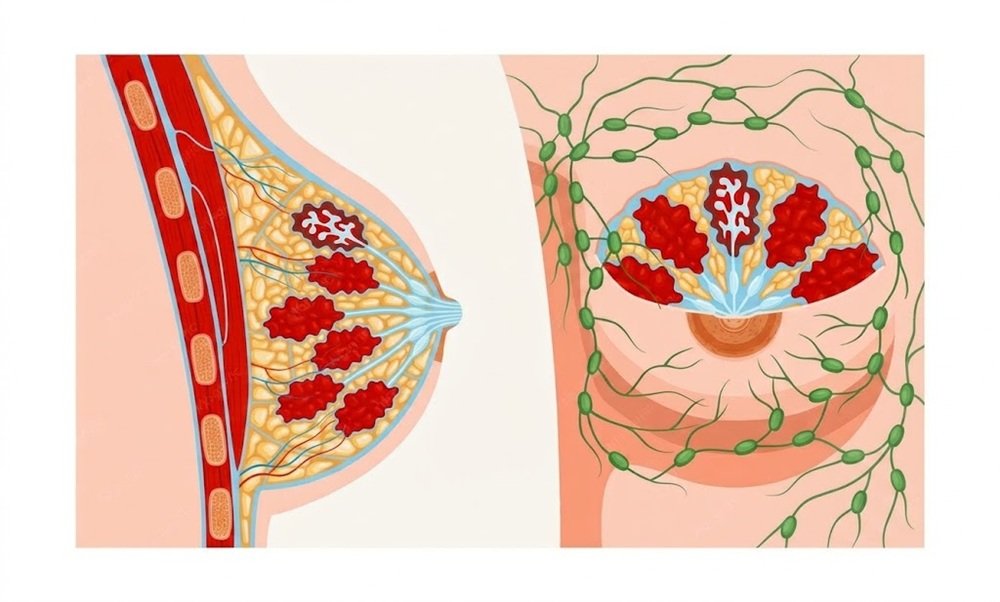
The breasts are located on the anterior chest wall, over the pectoralis major muscle.
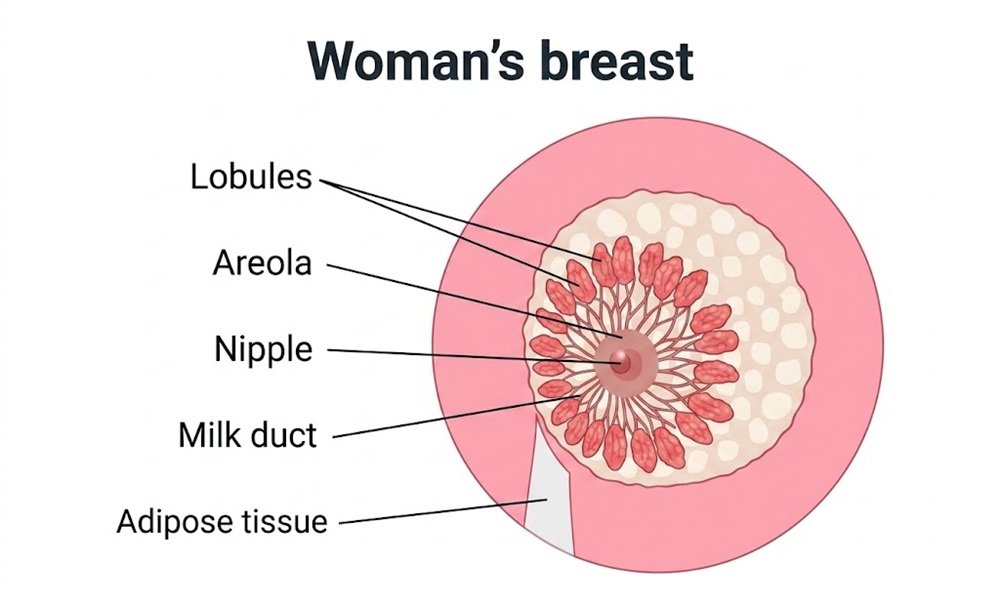
The main anatomical components include:
Lobes and lobules
Milk ducts
Fatty tissue
Fibrous connective tissue
Blood vessels
Lymphatic vessels
Nerves
Nipple and areola
What Types of Tissue Make Up the Breast?
The breast is made up of three main types of tissue: glandular tissue, fatty tissue, and connective tissue.
Glandular tissue: Includes the lobes, lobules, and milk-producing structures involved in lactation. Fatty tissue: Surrounds the glandular structures and contributes substantially to breast size and shape. Connective tissue: Provides structural support and helps hold the breast tissues in place.
The proportion of these tissues varies between individuals and can change with age, hormonal changes, pregnancy, breastfeeding, and menopause.
Body Contouring
Interested in Breast Fillers & Natural Contouring?
Discover non-surgical breast enhancement and symmetry restoration at Tinkermoon Clinic, Century Plaza, Jumeirah 1.
The visible portion of the breast contains several important landmarks.
Nipple
The nipple contains multiple small openings where milk exits during breastfeeding. It also contains smooth muscle fibers that respond to temperature and stimulation.
Areola
The areola is the pigmented skin surrounding the nipple. Small glands called Montgomery glands produce natural oils that protect and lubricate the nipple during breastfeeding.
Skin
Breast skin provides protection while allowing flexibility as the breast changes during puberty, pregnancy, weight fluctuations, and aging.
Internal Breast Anatomy
The internal breast consists of specialized tissues that work together to support lactation and maintain breast structure.
Lobes and Lobules
Each breast contains approximately 15 to 20 lobes. Every lobe is divided into smaller lobules that contain milk-producing glands called alveoli.
During pregnancy and breastfeeding, hormonal changes stimulate these glands to produce milk.
Alveoli
Alveoli are small milk-producing structures within the lobules. During lactation, specialized cells lining the alveoli produce milk, which then travels through the duct system toward the nipple.
Milk Ducts
Milk ducts are thin channels that transport milk from the lobules toward the nipple. They form a branching network throughout the breast that allows milk to reach the nipple during breastfeeding.
Fatty Tissue
Fat tissue surrounds the glandular structures and gives the breast most of its volume and softness.
The amount of fat varies significantly between individuals, which explains why breast size differs without necessarily affecting milk production.
Connective Tissue and Cooper’s Ligaments
Fibrous connective tissue supports the breast and maintains its shape.
Specialized connective bands known as Cooper’s ligaments anchor the breast to the chest wall. Changes in skin elasticity and supporting connective tissues over time can contribute to changes in breast shape and sagging.
Blood Supply, Nerves, and Lymphatic Drainage
The breasts receive blood from several arteries, including branches of the internal thoracic and lateral thoracic arteries.
A rich nerve network provides sensation to the nipple and surrounding skin, making the breast highly responsive to touch and temperature changes.
Lymphatic Drainage
One of the most important aspects of breast anatomy is its lymphatic drainage.
Lymphatic vessels remove excess fluid and transport immune cells throughout the body. Most lymph drains into the axillary (underarm) lymph nodes, although some flows toward internal mammary nodes.
The lymphatic system is clinically important because breast cancer can spread to nearby lymph nodes, particularly those in the axilla.
Breast Physiology: How the Breast Functions
Breast physiology is closely regulated by hormones throughout different stages of life.
Puberty
Estrogen plays a major role in breast development during puberty, while other hormones contribute to the development of glandular and supportive tissues.
Menstrual Cycle
Hormonal fluctuations often cause temporary breast swelling, tenderness, or fullness before menstruation.
Pregnancy
During pregnancy, breast tissue expands significantly as milk-producing glands mature in preparation for breastfeeding.
Lactation
After childbirth, prolactin stimulates milk production, while oxytocin triggers the release of milk through the milk ducts during nursing.
Menopause
After menopause, declining hormone levels can lead to involution of glandular tissue and changes in breast density and composition.
Common Breast Conditions
Fibrocystic Breast Changes
These non-cancerous changes may cause breast pain, lumpiness, or swelling, particularly before menstruation.
Breast Cysts
Fluid-filled sacs may develop within breast tissue and are generally benign.
Mastitis
Mastitis is an infection that commonly occurs during breastfeeding, causing redness, pain, warmth, and fever.
Fibroadenomas
Fibroadenomas are solid, benign breast tumors that commonly affect younger women.
Breast Cancer
Breast cancer occurs when abnormal breast cells grow uncontrollably. It can develop in different parts of the breast, most commonly in the ducts or lobules.
Why Understanding Breast Anatomy Matters Before Cosmetic Surgery
Anyone considering breast augmentation, reduction, or breast lift surgery should understand the underlying anatomy.
Knowledge of breast tissue, muscles, skin elasticity, and supporting ligaments helps surgeons create natural-looking results while preserving function whenever possible.
If you’re exploring aesthetic enhancement options, learning about Perfect Breasts can help you better understand the characteristics that contribute to balanced, natural proportions and realistic surgical expectations.
How Breast Anatomy Changes with Age
Breast structure changes naturally throughout life. Common influences include:
Hormonal fluctuations
Pregnancy and breastfeeding
Weight gain or loss
Aging
Menopause
Genetics
These changes are often normal, although a new lump, persistent pain, skin change, or nipple discharge should be evaluated by a healthcare professional.
Maintaining Healthy Breasts
Although anatomy cannot be changed naturally, maintaining breast health is possible through healthy habits.
Recommendations include:
Follow recommended breast cancer screening guidelines.
Maintain regular physical activity and a healthy body weight
Avoid smoking and limit alcohol consumption
See a healthcare professional about new or unusual breast change
Frequently Asked Questions
Is breast size related to milk production?
No. Breast size primarily depends on fatty tissue rather than the amount of glandular tissue responsible for milk production.
Where are milk ducts located?
Milk ducts extend from the milk-producing lobules throughout the breast and connect directly to the nipple.
Why do breasts become tender before a period?
Hormonal fluctuations during the menstrual cycle increase blood flow and fluid retention within breast tissue, leading to temporary tenderness.
Can breast anatomy change over time?
Yes. Hormones, aging, pregnancy, breastfeeding, menopause, and weight changes all influence breast structure and appearance.
Where does breast cancer usually start?
Most breast cancers originate in the epithelial cells lining the ducts or lobules of the breast.
What are the main parts of the breast?
The main parts of the breast include glandular tissue, lobes and lobules, milk ducts, fatty tissue, connective tissue, blood vessels, nerves, lymphatic vessels, the nipple, and the areola.
Conclusion
Understanding breast anatomy provides valuable insight into how the breasts function, change throughout life, and respond to hormonal influences. From the milk ducts and glandular tissue to connective ligaments and lymphatic drainage, every component plays a role in breast health. Whether you’re considering cosmetic breast procedures or simply want to better understand your body, knowing the basics of breast anatomy supports informed healthcare decisions and encourages early recognition of potential breast conditions.
Reviewed by
Dr. Farid Nemati
Certified Aesthetic Doctor | General Physician at Self Employed