
Your breasts naturally change throughout your life due to age, hormonal fluctuations, pregnancy, breastfeeding, and menopause. Understanding what is normal for your body makes it easier to notice unusual changes early.
A Breast Self-Exam can help you become familiar with how your breasts normally look and feel. It does not replace mammograms or professional breast examinations, but it can help you notice changes that may need medical evaluation.
How to Perform a Breast Self-Exam in 5 Steps

Whether you have natural breasts, breast implants, or have had chest surgery, knowing how to check your breasts or chest can help you recognize changes from your normal baseline.
Follow these five steps as part of regular breast awareness
Interested in Breast Fillers & Natural Contouring?
Discover non-surgical breast enhancement and symmetry restoration at Tinkermoon Clinic, Century Plaza, Jumeirah 1.

Step 1: Look in the Mirror
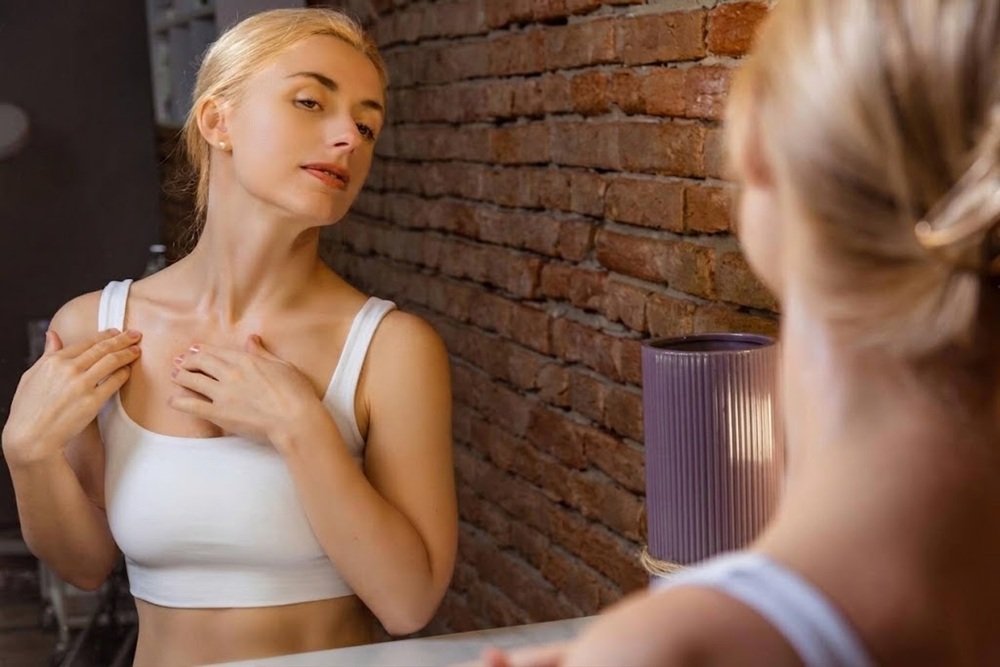
Stand with your shoulders straight and your arms relaxed at your sides.
Look for:
- Changes in breast size or shape
- Skin dimpling
- Swelling
- Visible lumps
- Changes in nipple position
- Redness or unusual skin texture
Next, raise both arms overhead and look again from different angles.
Step 2: Check While Standing
Many women find it easiest to examine their breasts during a shower because wet skin allows fingers to move more smoothly.
Using the pads of your three middle fingers:
- Move in small circular motions
- Apply light, medium, and firm pressure
- Cover the entire breast
- Extend the examination into the armpit
- Include the area above the collarbone
Cover the area from your collarbone to the lower edge of your breast and from your breastbone to your armpit.
Step 3: Examine While Lying Down
Lie on your back with a pillow beneath one shoulder.
Place the corresponding arm behind your head.
Using the opposite hand:
- Examine the entire breast using gentle circular motions.
- Feel for thickened tissue, firm areas, or new lumps
Repeat on the other side.
Step 4: Check the Nipples
Check for any unusual nipple discharge or changes in the nipple. If discharge occurs, note its color and whether it happens without squeezing.
Watch for:
- Bloody discharge
- Clear discharge without pregnancy or breastfeeding
- Persistent crusting
- Skin changes
- New inversion of the nipple
Step 5: Know What Feels Normal
Breast tissue naturally feels different from person to person
Some women naturally have:
- Dense breast tissue
- Small movable lumps
- Areas of firmness before menstruation
- Slight differences between breasts
The goal of a Breast Self-Exam is not to diagnose disease but to recognize changes from your normal baseline.
What Changes Should You Watch For?
Contact your healthcare provider if you notice:
- A new lump
- Thickened breast tissue
- Persistent breast pain in one location
- Swelling
- Skin dimpling
- Redness
- Nipple inversion
- Unusual nipple discharge
- Changes in breast size or shape
- Enlarged lymph nodes in the armpit
Many breast changes are benign, but a new or persistent change should be evaluated by a healthcare professional.
What Does a Breast Lump Feel Like?
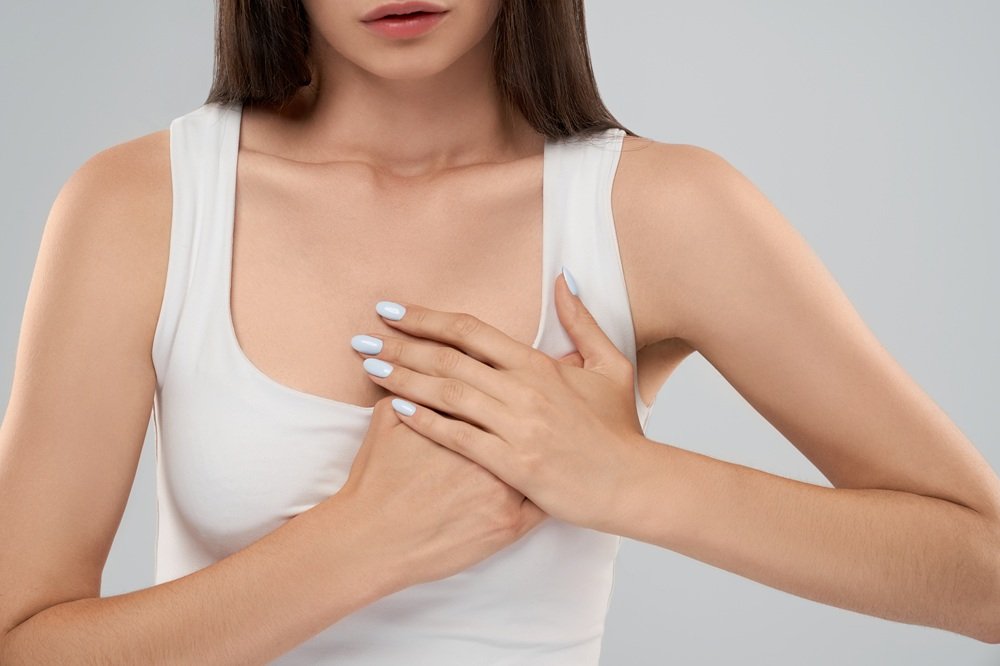
A breast lump may feel different from the surrounding breast tissue. It can be hard or soft, smooth or irregular, and may move under the skin or feel fixed in place. However, you cannot determine whether a lump is cancerous based on how it feels alone. Any new or unusual lump should be evaluated by a healthcare professional.
When Is the Best Time to Perform a Breast Self-Exam?
Timing matters because hormone levels affect breast tissue.
If you choose to perform a self-exam, the days after your period may be more comfortable because breast tenderness is often lowe
For women who no longer menstruate:
- Choose the same date every month.
For pregnant or breastfeeding women:
- Speak with your healthcare provider about the best examination technique, as breast tissue changes significantly during this time.
Does a Breast Self-Exam Replace Mammograms?
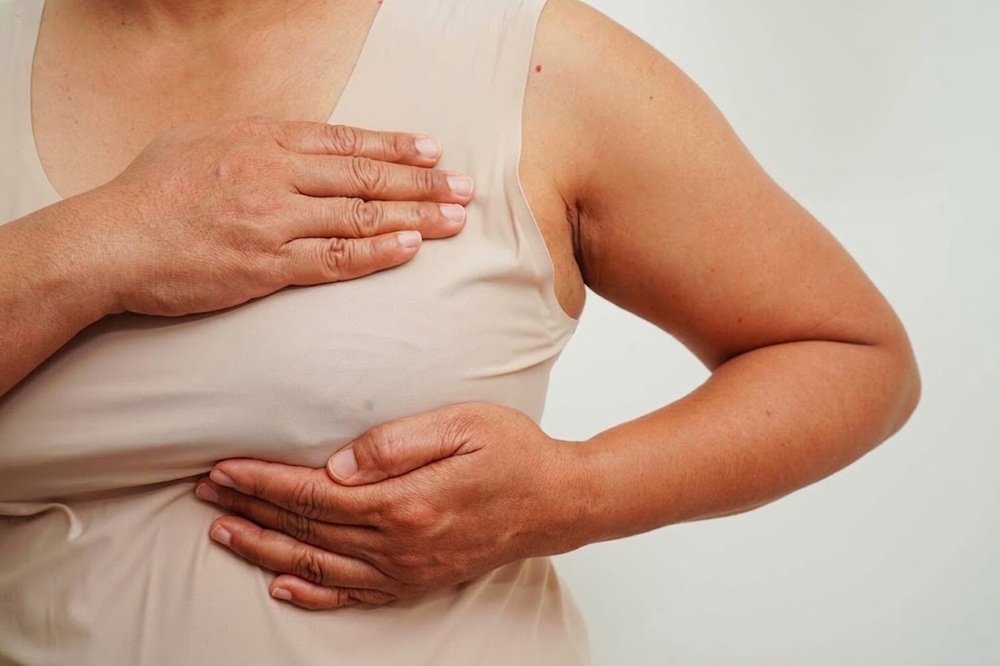
No. A Breast Self-Exam is an awareness tool, not a replacement for recommended breast cancer screening.
Mammograms and other screening recommendations depend on factors such as age and individual risk. Breast awareness can complement recommended screening by helping you recognize new changes that may need medical evaluation.
Breast Self-Exam With Dense Breasts
Women with dense breast tissue may find a Breast Self-Exam more difficult because their breasts can naturally feel firmer or lumpier. This does not always mean there is a problem, but knowing what feels normal for you is important.
If you have dense breasts, discuss your screening needs with your healthcare provider based on your age, family history, and other risk factors.
Normal Breast Changes vs. Changes That Need Attention
Not all breast changes are a sign of a serious condition. Some changes are normal and may happen due to hormones, age, or lifestyle factors. However, certain changes should be evaluated by a healthcare professional.
| Normal Changes | Changes That Need Medical Attention |
|---|---|
| Mild tenderness before your period | A new or growing lump |
| Slight differences between breasts | Unexplained changes in breast shape |
| Temporary swelling due to hormonal changes | Skin dimpling or unusual redness |
| Natural variations in breast texture | Nipple discharge or sudden nipple changes |
Understanding the difference between normal variations and unusual symptoms can help you know when to seek professional advice.
Frequently Asked Questions
How often should I perform a Breast Self-Exam?
What if I find a lump?
Is it normal for one breast to be different from the other?
Should teenagers perform Breast Self-Exams?
Can men perform breast self-exams?
Is breast pain always a sign of cancer?
Conclusion
Breast Self-Exam can help you recognize changes from your normal breast appearance and texture. It does not replace recommended screening, but staying aware of your breasts can help you identify changes that need medical evaluation. If you notice a new or persistent change, speak with your healthcare provider.