


Dermal fillers are among the most versatile non-surgical aesthetic treatments. They can restore lost volume, enhance facial features, improve proportions, and create more defined contours. But one of the most important questions is not simply whether fillers are right for you—it is where they should be used.
Different areas of the face have different anatomical structures and aesthetic goals. The right filler and injection technique depend on your facial features, existing volume, and the result you want to achieve.
In this guide, we look at the best areas for dermal fillers and explain how treating each area can contribute to facial contouring, balance, and rejuvenation.
Dermal Fillers For Lips (Lip Fillers)
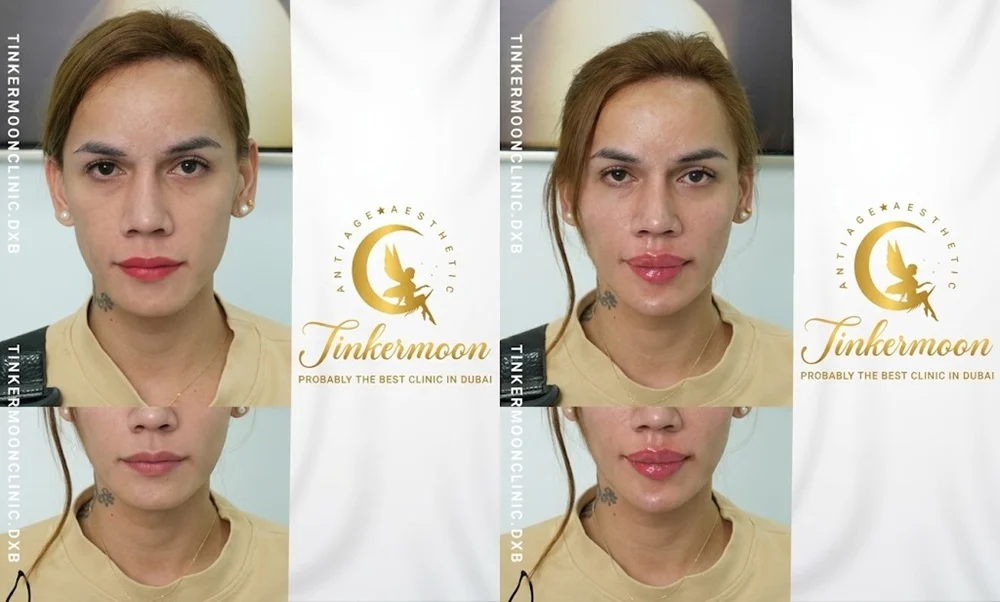
The lips are one of the most popular areas for filler treatment. Lip fillers can be used to enhance volume, improve symmetry, and define the natural shape of the lips.
Depending on your goals, lip fillers may help to:
- Add subtle or noticeable volume
- Improve lip symmetry
- Define the lip borders
- Enhance the natural shape of the lips
- Create a fuller, more youthful appearance
The goal should be to enhance the lips while keeping them in proportion with the rest of the face.
Interested in Dermal Fillers & Face Contouring?
Restore youthful volume and structural definition with premium hyaluronic acid dermal fillers at Tinkermoon Clinic.

Dermal Fillers For Cheeks

The cheeks play an important role in overall facial structure. As we age, the mid-face can lose volume, which may make the face look flatter, hollow, or tired.
Cheek fillers can restore volume and enhance the appearance of the cheekbones while providing subtle support to the surrounding facial tissues.
They may help to:
- Restore lost mid-face volume
- Enhance cheekbone definition
- Create a subtle lifting effect
- Improve overall facial proportions
Because the cheeks have a major influence on facial balance, careful placement is important. Adding too much volume can make the result look unnatural, so treatment should be tailored to your individual facial structure.
Cheek fillers are a type of dermal fillers used to restore or enhance volume in the cheek area.
Dermal Fillers For Jawline
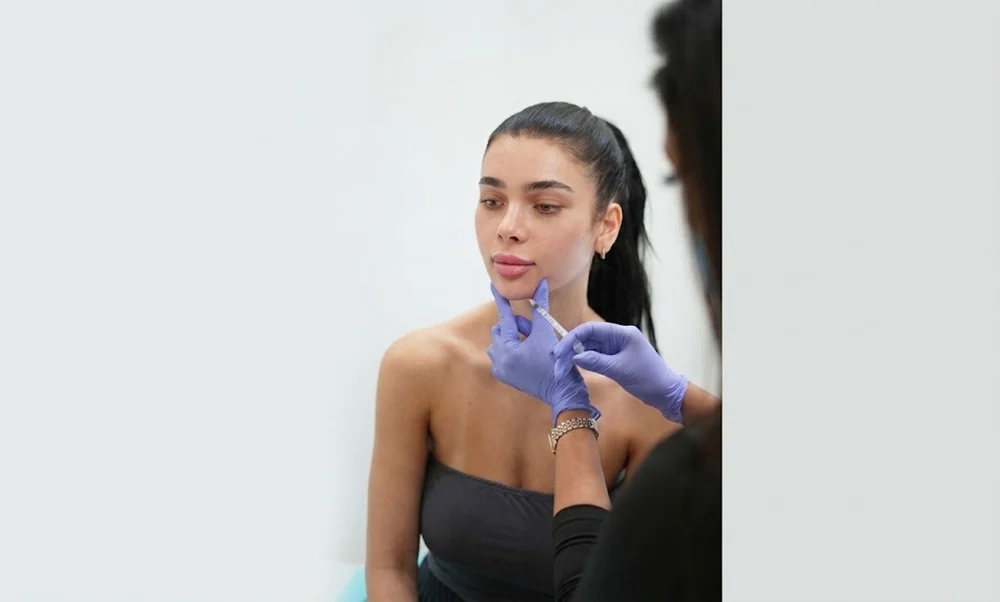
The jawline is another popular area for facial contouring. Jawline fillers can add structure and definition to the lower face, helping create a more sculpted appearance.
They may be used to:
- Improve jawline definition
- Enhance lower-face structure
- Create a more defined facial contour
- Improve the appearance of a softer jawline
The amount of filler needed varies from person to person. Factors such as natural bone structure, skin laxity, and facial proportions should all be considered when planning treatment.
Dermal Fillers For Chin

The chin has an important role in facial balance and profile. Even a subtle change in chin projection can affect how the jawline and other facial features appear.
Chin fillers may help to:
- Improve facial proportions
- Add projection to a recessed chin
- Enhance the side profile
- Create better balance between the chin and jawline
Rather than treating the chin in isolation, an experienced injector will usually consider how it relates to the nose, lips, jawline, and other facial features.
Dermal Fillers For Under Eyes (Tear Trough)
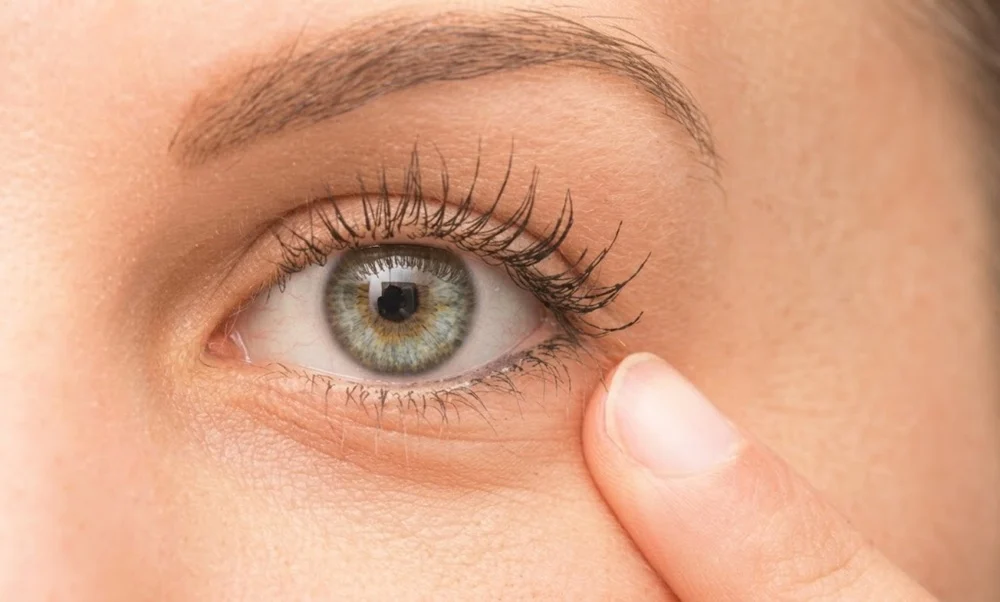
The area beneath the eyes can develop hollowness as facial volume changes with age. This can contribute to a tired or sunken appearance.
In suitable candidates, under-eye or tear-trough fillers may help to:
- Reduce the appearance of under-eye hollowness
- Restore lost volume
- Create a more refreshed appearance
- Improve the transition between the lower eyelid and cheek
However, the under-eye area requires particularly careful assessment because not everyone with dark circles or tired-looking eyes is a suitable candidate for filler.
Dermal Fillers For Nasolabial Folds
Nasolabial folds are the lines that extend from the sides of the nose toward the corners of the mouth. They can become more noticeable as facial volume and skin elasticity change over time.
Depending on the cause and severity, fillers may help soften the appearance of these folds and restore a smoother transition between different areas of the face.
Treatment may help to:
- Soften the appearance of deeper folds
- Restore volume where appropriate
- Create a smoother and more balanced facial appearance
In some cases, addressing volume loss in other areas of the face rather than directly filling the fold may produce a more natural-looking result.
Which Area Should You Treat First?

There is no single best area for everyone. The right starting point depends on your facial structure and your main aesthetic concern.
For example:
- Volume loss: Cheeks may be considered
- Facial definition: Jawline or chin may be appropriate
- Lip enhancement: Lip fillers may be considered
- Under-eye hollowness: Tear-trough treatment may be an option for suitable candidates
Sometimes, treating one area can improve the appearance of another. For example, enhancing the cheeks may improve overall mid-face balance, while chin or jawline treatment can create greater definition in the lower face.
If you’re specifically comparing cheek and jawline treatments, our guide to Cheek Fillers vs Jawline Fillers explains how these two options differ and what each treatment is designed to achieve.
Can Fillers Be Combined with Botox?

Yes. Dermal fillers and Botox work in different ways, so they can sometimes be combined as part of a personalized aesthetic treatment plan.
Fillers are primarily used to restore volume and enhance facial contours, while Botox temporarily relaxes specific muscles to reduce the appearance of dynamic wrinkles.
Combining the two may help address both facial volume and expression lines. However, whether you need one treatment or both should be determined based on your individual concerns and treatment goals.
How to Choose the Right Area for Dermal Fillers
Choosing the right injection area is just as important as choosing the filler itself. A treatment plan should take your facial proportions, skin condition, existing volume, and aesthetic goals into account.
An experienced injector can assess your face as a whole rather than focusing on a single feature. This helps determine where adding or restoring volume may create the most balanced result.
The goal of filler treatment should not be to change every feature. In many cases, subtle adjustments in carefully selected areas can create a noticeable improvement while preserving your natural appearance.
Frequently Asked Questions
What are the best areas for dermal fillers?
Are dermal fillers safe?
How long do dermal fillers last?
Can dermal fillers look natural?
Can I combine dermal fillers with Botox?
Conclusion
Dermal fillers can be used in different areas of the face to restore volume, enhance definition, and improve overall facial balance. The cheeks, lips, jawline, chin, under-eye area, and nasolabial folds can each be treated for different aesthetic goals.
There is no single “best” area for everyone. The right treatment depends on your facial structure, concerns, and the result you want to achieve. A professional consultation can help determine which areas, if any, would benefit from filler while keeping the result natural and balanced.