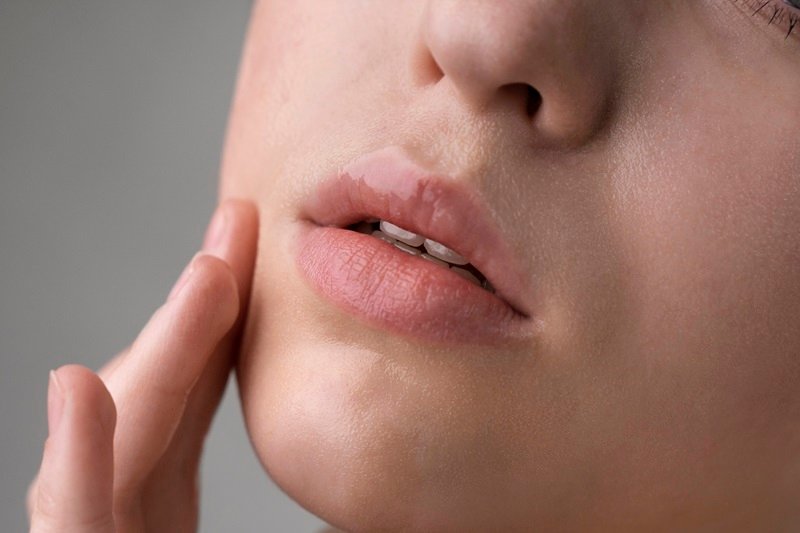


Dermal fillers can enhance facial contours, restore volume, and create a more balanced appearance without surgery. Among the most popular options are cheek fillers and jawline fillers. However, choosing between them depends on your facial structure and the kind of result you want.
Although both treatments can improve facial contouring, they work on different areas and create distinct effects. Cheek fillers generally add volume and lift to the mid-face, while jawline fillers focus on definition and structure in the lower face.
In this guide, we compare cheek fillers vs. jawline fillers, explain what each treatment can achieve, and help you understand which option may be more suitable for your facial features and goals.
What Are Cheek Fillers?

Cheek fillers are a type of dermal filler treatment designed to restore or enhance volume in the cheeks. By adding support to the mid-face, they can improve cheekbone definition and create a subtle lifting effect.
Cheek fillers may be suitable if you want to:
- restore volume lost with age
- add definition to the cheekbones
- create a subtle lifting effect
- soften a hollow or tired-looking appearance
- improve overall facial proportions
The goal is not necessarily to make the cheeks look fuller. A well-planned treatment focuses on creating balance while maintaining your natural facial features.
Interested in Dermal Fillers & Face Contouring?
Restore youthful volume and structural definition with premium hyaluronic acid dermal fillers at Tinkermoon Clinic.

What Are Jawline Fillers?

Jawline fillers are used to add definition and structure to the lower face. They can help create a more noticeable jawline and improve the appearance of a softer or less defined facial contour.
Jawline fillers may be suitable if you want to:
- create a more defined jawline
- add structure to the lower face
- improve facial symmetry
- strengthen the appearance of a weak jawline
- achieve a more sculpted side profile
The amount and placement of filler depend on your facial anatomy and the type of definition you want. Subtle placement can enhance the jawline without making the lower face appear overly sharp or heavy.
Main Difference Between Cheek Fillers and Jawline Fillers
The main difference between cheek fillers and jawline fillers is the area they target and the effect they are designed to create.
- Cheek fillers focus on the mid-face, adding volume, support, and a subtle lifting effect.
- Jawline fillers focus on the lower face, enhancing structure and creating clearer definition.
If you want to restore volume or create a more lifted, refreshed appearance, cheek fillers may be a better fit. If your priority is a stronger, more sculpted lower-face contour, jawline fillers may be more appropriate.
In some cases, the best approach is not about choosing one area over the other. A personalized assessment can determine whether treating one or both areas would create better facial balance.
Who Is a Good Candidate for Cheek Fillers?
Cheek fillers may be appropriate for people who:
- have naturally flat or less prominent cheeks
- have noticed volume loss in the mid-face
- want more defined cheekbones
- prefer a subtle lifting effect
- want to improve facial harmony without surgery
Cheek filler can be particularly useful when volume loss makes the face appear tired or less defined. The treatment can restore support while maintaining a natural-looking result.
Who Is a Good Candidate for Jawline Fillers?
Jawline fillers may be suitable for people who:
- have a soft or less defined jawline
- want a more structured lower face
- would like to improve their side profile
- want more visible jawline definition
- prefer a non-surgical approach to facial contouring
The treatment can create a clearer transition between the jaw and neck, although the result will vary depending on your existing bone structure, skin laxity, and facial proportions.
Can You Combine Cheek Fillers and Jawline Fillers?

Yes. In some cases, combining cheek and jawline fillers can create a more balanced overall result.
Cheek fillers can provide volume and support to the mid-face, while jawline fillers add structure to the lower face. Treating both areas may help create better proportion between the upper, middle, and lower parts of the face.
However, combination treatment is not necessary for everyone. A qualified injector should assess your facial anatomy and recommend treatment based on your individual features rather than current beauty trends.
Which One Looks More Natural?

Both cheek fillers and jawline fillers can produce natural-looking results when they are carefully planned and performed by an experienced injector.
The final appearance depends on factors such as the filler product, amount used, injection technique, and your existing facial structure. Using too much filler can make the result look disproportionate, regardless of which area is treated.
If you are considering fillers for different areas of the face, our guide to the best areas for dermal fillers in Dubai explains how filler can be used to enhance different facial features.
The goal should be subtle enhancement that works with your natural proportions rather than changing the overall character of your face.
How Long Do Cheek and Jawline Fillers Last?

Both cheek and jawline fillers are temporary treatments, although their longevity can vary from person to person. Fillers in these areas may often last around 9 to 18 months, depending on the product and individual factors.
The duration of results can be influenced by:
- the type of filler used
- the amount injected
- your metabolism
- injection technique
- lifestyle factors
Your provider can give you a more specific estimate based on the product selected and your treatment plan.
How to Choose the Right Clinic
Choosing an experienced and qualified provider is an important part of achieving safe and natural-looking facial contouring results.
Before treatment, your provider should assess your facial proportions, discuss your goals, and explain which areas would benefit most from filler. Rather than simply adding volume, the treatment plan should be designed around your individual anatomy.
The right clinic will also prioritize appropriate product selection, precise injection technique, and a conservative approach when needed. Similar principles apply when choosing a provider for other injectable treatments, as discussed in our guide to the Best Botox Clinic in Dubai.
Thinking About Facial Fillers in Dubai?
Choosing between cheek fillers and jawline fillers ultimately depends on your facial structure and what you want to achieve. Cheek fillers can add volume and a subtle lifting effect, while jawline fillers are better suited to creating lower-face definition and structure.
If you’re unsure which option is right for you, a professional consultation can help determine the most suitable treatment based on your facial proportions and aesthetic goals.
Frequently Asked Questions
Are cheek fillers better than jawline fillers?
Can cheek fillers and jawline fillers be done together?
Do cheek fillers make your face look fuller?
How long do cheek and jawline fillers last?
Which filler is better for facial contouring?
Conclusion
Cheek fillers and jawline fillers can both enhance facial contours, but they are designed to achieve different results. Cheek fillers focus on restoring volume and creating a subtle lifting effect, while jawline fillers add definition and structure to the lower face.
The best treatment depends on your facial proportions, existing structure, and aesthetic goals. A personalized consultation with a qualified injector can help determine whether cheek fillers, jawline fillers, or a combination of both is the most suitable approach for you.