

Liposuction in Dubai
Liposuction is a surgical body-contouring procedure designed to remove localized fat deposits from specific areas of the body.
It may be considered when stubborn areas of fat remain despite a healthy lifestyle and when the goal is to improve body proportions and contour rather than achieve weight loss.
At Tinkermoon Clinic, liposuction treatment is planned around your anatomy, fat distribution, skin quality and aesthetic goals, with the appropriate surgical approach discussed during your consultation.

What Is Liposuction?
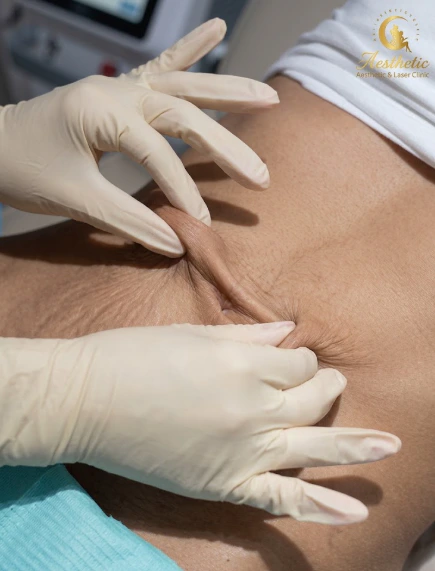
Liposuction is a surgical procedure that uses specialized techniques to remove excess fat from selected areas of the body. By reducing localized fat deposits, it can help create more defined and balanced body contours.
Liposuction is not a weight-loss treatment and is generally considered for body contouring rather than treating obesity. The amount of fat that can be safely removed depends on individual factors, including your health, treatment areas and surgical plan.
Who May Be a Suitable Candidate for Liposuction?
Liposuction may be considered for adults who:
- Have localized areas of excess fat
- Are at or near a relatively stable weight
- Are in suitable overall health for surgery
- Have realistic expectations about what liposuction can achieve
- Want to improve the contour or proportion of specific areas
A consultation is important because liposuction is not appropriate for everyone. Your surgeon can assess your skin elasticity, fat distribution, anatomy and overall health before recommending treatment.
Areas That Can Be Treated With Liposuction
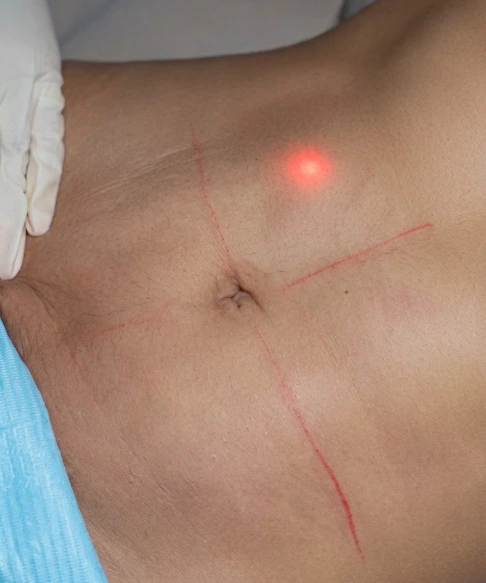
Depending on your anatomy and treatment goals, liposuction may be used to contour areas such as:
- Abdomen – to address localized abdominal fat
- Flanks and waist – to improve the transition between the waist and hips
- Thighs – to reduce selected areas of excess fat
- Arms – to contour localized fat deposits
- Back – to address specific areas of unwanted fat
- Chin and neck – to improve the contour beneath the jawline
The areas suitable for treatment will be determined during your consultation.

Considering Liposuction in Dubai?
Book a free consultation to discuss your goals, learn if Liposuction is right for you, and receive personalized guidance from our medical team.
How Does Liposuction Work?
The exact technique used for liposuction depends on the treatment area, amount and distribution of fat, skin quality and the level of contouring required.
Your treatment generally involves:
Consultation and Assessment
Your surgeon reviews your medical history, examines the areas you would like to improve and discusses your expectations. This helps determine whether liposuction is appropriate and which areas can be safely treated.
Treatment Planning
The treatment areas are assessed and planned according to your individual anatomy and desired body proportions. Your surgeon can also explain the proposed technique, anesthesia, expected recovery and potential risks.
Fat Removal
During the procedure, specialized surgical techniques are used to loosen and remove targeted fat deposits through small incisions. The approach varies depending on your individual treatment plan.
Recovery and Follow-Up
After surgery, you may experience swelling, bruising, soreness or temporary changes in sensation. Follow-up care helps monitor your recovery and allows your surgical team to assess your progress.
Which Liposuction Technique Is Right for You?
There is no single liposuction technique that is best for every patient.
Different approaches, including tumescent, power-assisted and ultrasound-assisted liposuction, may be considered depending on the treatment area, fat distribution, skin quality and desired level of contouring.
At Tinkermoon Clinic, the appropriate approach is determined as part of an individual surgical assessment rather than using the same technique for every patient.
Liposuction Results
Liposuction can reduce localized fat deposits and improve the contours of treated areas. However, the final appearance develops gradually as swelling subsides and the tissues settle.
Results can vary depending on factors such as:
- The amount and location of fat removed
- Skin elasticity
- Individual anatomy
- Healing and recovery
- Changes in body weight after surgery
The fat cells removed during liposuction do not grow back in the same way, but significant weight gain can still change your body shape and affect the overall result. Maintaining a relatively stable weight and following a healthy lifestyle can help support your results over time.


Recovery After Liposuction
Recovery varies depending on the number and size of treatment areas, the surgical technique and individual healing.
Common temporary effects may include:
- Swelling
- Bruising
- Tenderness or soreness
- Temporary numbness or changes in sensation
- A feeling of tightness in the treated areas
Your surgeon will provide specific aftercare instructions and advise you when it is appropriate to return to work, exercise and other activities.
Although the initial recovery may take around 7–10 days in some cases, swelling can continue to improve over a longer period and the final contour may take time to become apparent.
Does Liposuction Tighten Loose Skin?
Liposuction primarily removes localized fat; it is not a procedure designed to treat significant loose or excess skin.
The degree to which the skin adapts after fat removal depends partly on its elasticity. If substantial skin laxity is present, your surgeon may discuss whether another or additional procedure would be more appropriate.
Considering Liposuction in Dubai?
Book a free consultation to discuss your goals, learn if Liposuction is right for you, and receive personalized guidance from our medical team.
Liposuction vs. Weight Loss
Liposuction and weight loss serve different purposes.
Weight loss aims to reduce overall body weight and may involve nutrition, exercise, medication or other medical approaches.
Liposuction focuses on removing localized fat deposits and improving body contours in specific areas.
For this reason, liposuction is generally not considered a substitute for weight-loss treatment. It may be more appropriate when a person has a relatively stable weight but still has specific areas of fat that affect their body proportions.
Liposuction vs. Non-Surgical Fat Reduction
If you want to reduce localized fat without surgery, non-surgical body-contouring treatments may be another option.
The main differences are:
Liposuction
- Surgical fat removal
- Can address larger or more defined areas of localized fat
- Requires anesthesia and recovery
- Produces a more direct change in treated contours
Non-surgical body contouring
- Does not involve surgical fat removal
- Generally involves little or no downtime
- Results may develop more gradually
- May be better suited to smaller areas or patients who want to avoid surgery
The appropriate option depends on the amount of fat, treatment area, skin quality and your goals.

Risks and Possible Complications
As with any surgical procedure, liposuction has potential risks and complications. These may include swelling, bruising, pain, infection, changes in sensation, fluid accumulation, scarring, contour irregularities or asymmetry.
More serious complications can also occur, particularly with extensive surgery or in patients with certain medical conditions.
During your consultation, your surgeon should review the potential benefits, limitations and risks of liposuction and explain whether the procedure is appropriate for you.
Why Choose Tinkermoon Clinic for Liposuction?
Choosing a qualified and experienced surgical team is an important part of any liposuction procedure.
At Tinkermoon Clinic, treatment planning focuses on your individual anatomy and aesthetic goals rather than applying the same approach to every patient.
Your consultation can include:
Assessment of your treatment areas
Discussion of your aesthetic goals
Review of your medical history
Selection of an appropriate surgical approach
Explanation of expected results and limitations
Guidance on recovery and aftercare
Frequently Asked Questions
Got questions about Liposuction? We have answers.
Learn More About Liposuction
Explore our latest articles and clinical insights related to this treatment.

Increase Breast Size Naturally: Real Options That Work
Many women looking to increase breast size naturally wonder whether diet, exercise, weight gain, or supplements can make a meaningful difference. While some lifestyle habits may improve the overall appearance…

Celebrities on Ozempic: Is It Worth It?
The rise of Celebrities on Ozempic has made prescription weight-loss medications a major topic in beauty, fitness, and health conversations. Celebrity weight-loss transformations have fueled interest in Ozempic and other…

BBL Surgery vs Implants: Which Gives a More Natural Look?
Want fuller, more defined buttocks without an overly enhanced appearance? The choice between a Brazilian Butt Lift and buttock implants can significantly influence the shape, projection, and overall look of…

Liposuction vs. Non-Surgical Fat Reduction: Which Is Right For You?
If you are dealing with stubborn areas of fat that have not changed despite diet and exercise, you may be comparing liposuction vs. non-surgical fat reduction. Both treatments are designed…

Breast Density And Size: It’s Not Just About Size!
When it comes to breast health, breast density and size are often confused with one another. A larger breast is not necessarily denser, and a smaller breast can have a…
What Are the Different Types of Liposuction?
Not all liposuction techniques deliver the same results. From VASER and laser-assisted liposuction to tumescent and power-assisted methods, each approach works differently to remove fat and contour the body. But…