


Loose face skin is a common concern that becomes more noticeable with age, weight changes, and cumulative sun exposure. As the skin gradually loses collagen and elastin and the face experiences changes in underlying volume, the cheeks, jawline, and lower face may appear less firm or defined.
Although no single treatment can completely stop age-related skin laxity, a combination of sun protection, consistent skincare, healthy habits, and appropriate professional treatments can improve the appearance of loose skin. The right approach depends on the degree of laxity and whether changes in facial volume are also contributing to the concern.
What Causes Loose Face Skin?
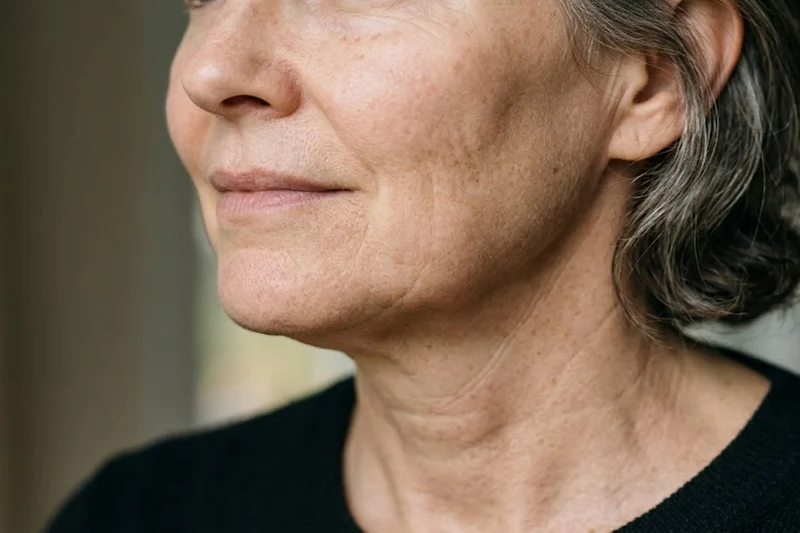
Several factors can contribute to loose face skin. The most common is natural aging, which is associated with gradual changes in collagen, elastin, and facial volume. These changes can reduce the skin’s firmness and alter facial contours.
Other factors include:
- Sun exposure: Ultraviolet (UV) radiation can damage collagen and contribute to premature skin aging.
- Significant weight loss: Losing a substantial amount of weight can leave the skin with less underlying support.
- Smoking: Tobacco use is associated with premature skin aging and collagen damage.
- Genetics: Some people naturally develop visible skin laxity earlier than others.
- Lifestyle factors: Poor nutrition and other habits can affect overall skin health.
It is also important to distinguish skin laxity from facial volume loss. Sometimes what looks like loose skin is partly caused by a reduction in facial volume, which can change the contours of the cheeks, temples, jawline, or other areas.
Interested in Dermal Fillers & Face Contouring?
Restore youthful volume and structural definition with premium hyaluronic acid dermal fillers at Tinkermoon Clinic.

7 Long-Term Ways to Improve Loose Face Skin
1. Protect Your Skin From Sun Damage

Daily sun protection is one of the most important steps for maintaining healthier-looking skin over time. UV exposure contributes to premature skin aging and can damage collagen, making changes in skin texture and firmness more noticeable.
Use a broad-spectrum sunscreen with an appropriate SPF every day, including on days when you spend limited time outdoors. Wearing protective clothing and seeking shade can provide additional protection.
2. Use Proven Anti-Aging Skincare Ingredients
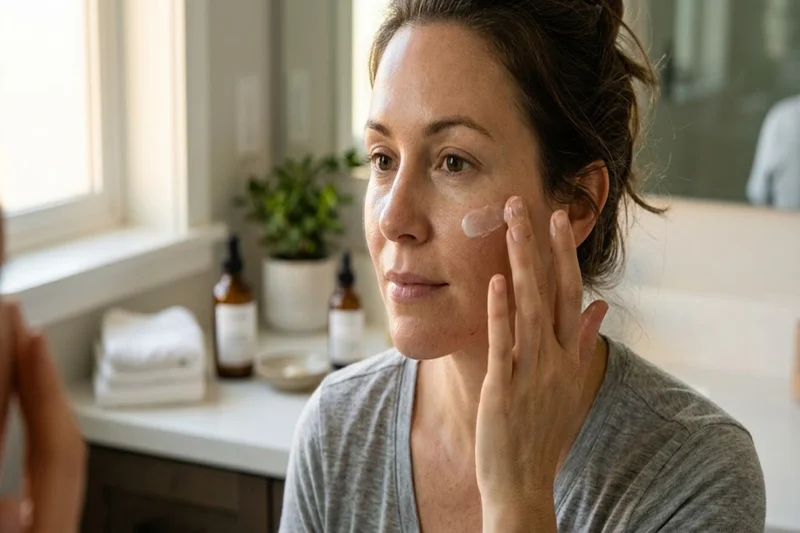
Skincare cannot produce facelift-like results, but some ingredients can support healthier-looking skin and address signs of aging. Retinoids, including retinol, are among the ingredients with evidence for improving skin appearance and supporting collagen production.
Moisturizers can also temporarily make skin look plumper by improving hydration. Other commonly used ingredients, such as vitamin C and peptides, may complement an anti-aging skincare routine.
Consistency matters more than using a large number of products. If you have sensitive skin or are starting a retinoid, introduce it gradually and consider discussing an appropriate routine with a dermatologist.
3. Maintain a Stable, Healthy Weight

Repeated cycles of significant weight gain and weight loss can affect the appearance and elasticity of facial skin. Maintaining a stable, healthy weight may help minimize additional changes in facial contours.
If you are trying to lose weight, gradual and sustainable changes are generally more practical than extreme dieting. A balanced diet that provides adequate protein, vitamins, minerals, and other essential nutrients also supports overall skin health.
4. Support Your Skin’s Hydration and Overall Health

Keeping the skin adequately moisturized can temporarily improve its appearance and make fine lines less noticeable. A simple routine that includes a gentle cleanser and moisturizer can help maintain the skin barrier.
Other healthy habits, such as avoiding smoking, limiting excessive alcohol consumption, eating a balanced diet, and getting adequate sleep, can also support overall skin health. These habits should be viewed as part of long-term skin care rather than as standalone skin-tightening treatments.
5. Consider Professional Skin Treatments
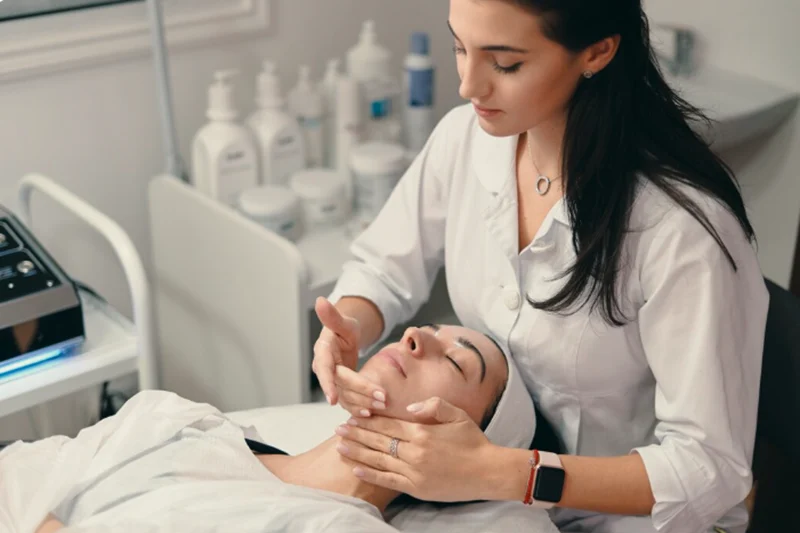
If skincare and lifestyle changes are not enough, professional treatments may be considered based on your specific skin concerns.
For example, a HydraFacial can combine cleansing, exfoliation, extraction, and hydration to improve the overall appearance and feel of the skin. However, it should not be presented as a treatment that significantly lifts loose skin. Its main role is improving skin quality, hydration, and texture rather than correcting substantial laxity.
For more noticeable loose face skin, a qualified aesthetic professional can determine whether a skin-tightening treatment or another approach is more appropriate.
6. Consider Dermal Fillers for Facial Volume Loss
Not all facial changes that look like loose skin are caused by skin laxity alone. Age-related loss of facial volume can contribute to changes in facial contours and make certain areas appear less supported.
Dermal fillers can be used to restore volume in specific areas of the face, depending on the product and treatment plan. They may help improve facial fullness and contour when volume loss is an important part of the concern. However, fillers do not directly tighten excess skin and are not a substitute for a surgical lift.
Because dermal fillers are medical procedures with potential risks, treatment should be performed by a qualified, licensed healthcare professional with appropriate experience.
7. Explore Skin-Tightening Procedures for More Noticeable Laxity
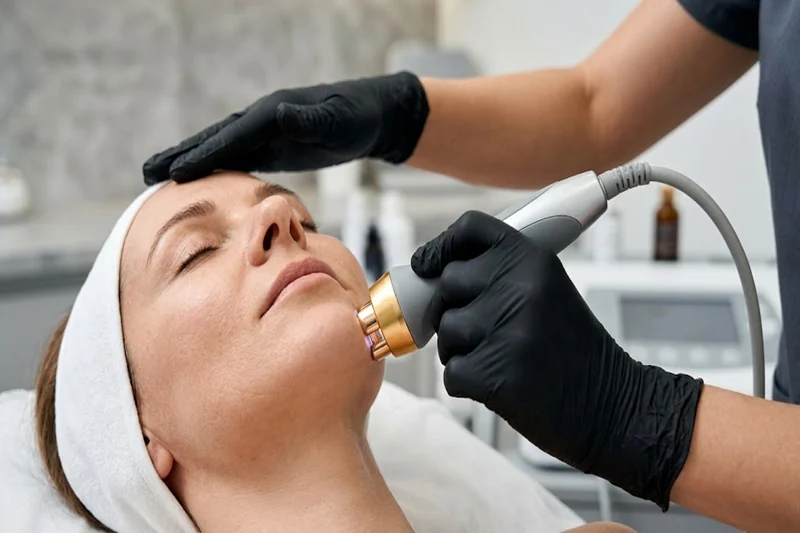
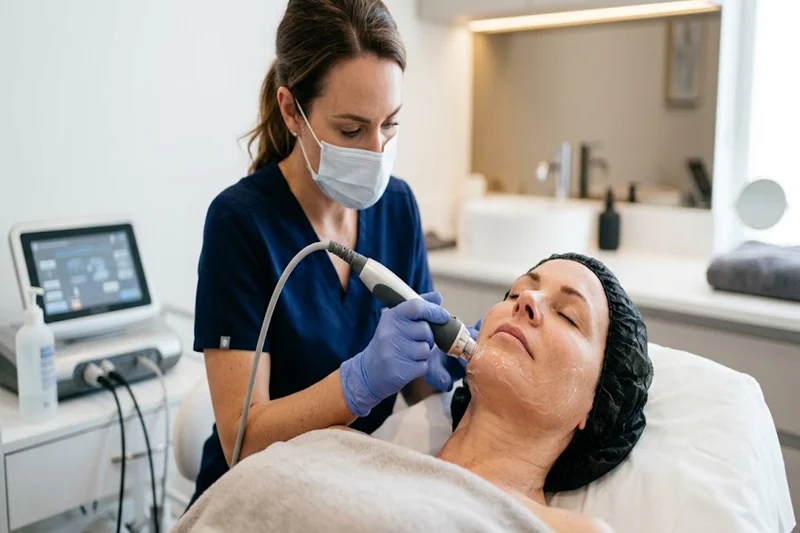
When loose face skin is more noticeable, professional skin-tightening procedures may offer options beyond topical skincare. Depending on the individual’s skin and degree of laxity, treatments may use technologies such as radiofrequency or ultrasound to target deeper layers of tissue.
These procedures generally produce more limited changes than surgery, and results vary between individuals. A consultation with a qualified dermatologist or aesthetic specialist can help determine whether a nonsurgical treatment is appropriate.
For substantial excess skin or significant sagging, surgical procedures such as a facelift may provide a more pronounced change. The American Academy of Dermatology notes that surgical lifting generally produces the most dramatic results, while nonsurgical options tend to provide more modest improvement. American Academy of Dermatology
How Long Does It Take to Tighten Loose Face Skin?
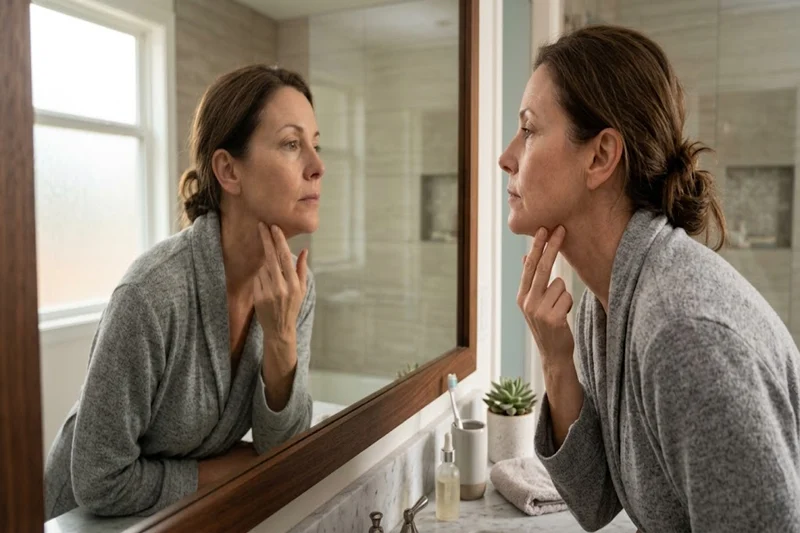
The timeline depends on the cause and severity of the looseness and the approach being used. Skincare and lifestyle changes generally require consistent use over time, while professional treatments may produce changes over weeks or months.
It is also important to have realistic expectations. A moisturizer may temporarily make the skin look plumper, while topical products generally cannot create the same lifting effect as a surgical procedure.
Can Loose Face Skin Be Tightened Permanently?
There is no single treatment that can permanently prevent the skin from aging. Even after professional treatment, natural aging, sun exposure, and other factors continue to affect the skin.
Long-term sun protection, consistent skincare, healthy habits, and appropriate professional treatments can help maintain the appearance of firmer, healthier-looking skin. The duration of results from cosmetic procedures also varies depending on the treatment and individual factors.
When Should You See a Dermatologist or Aesthetic Specialist?
Consider a professional consultation if loose face skin is becoming more noticeable, changes rapidly, or does not improve with your usual skincare routine. A specialist can determine whether the main concern is skin laxity, facial volume loss, skin quality, or a combination of these factors.
This distinction matters because treatments that address volume loss are different from those designed to improve skin laxity. A personalized assessment can help avoid choosing a treatment that does not address the underlying concern.
Frequently Asked Questions
Can loose face skin tighten naturally?
What is the best treatment for loose face skin?
Does weight loss cause loose skin on the face?
Can skincare products tighten loose facial skin?
How long does it take to improve loose face skin?
Conclusion
Loose face skin can result from a combination of aging, sun exposure, weight changes, genetics, and changes in facial volume. While skincare and healthy habits cannot reverse significant skin laxity, they can support healthier-looking skin and help reduce factors associated with premature aging.
For more noticeable changes, professional treatments can address specific concerns such as skin laxity or facial volume loss. A qualified specialist can assess your skin and recommend an approach based on the underlying cause rather than treating every type of facial aging in the same way.