

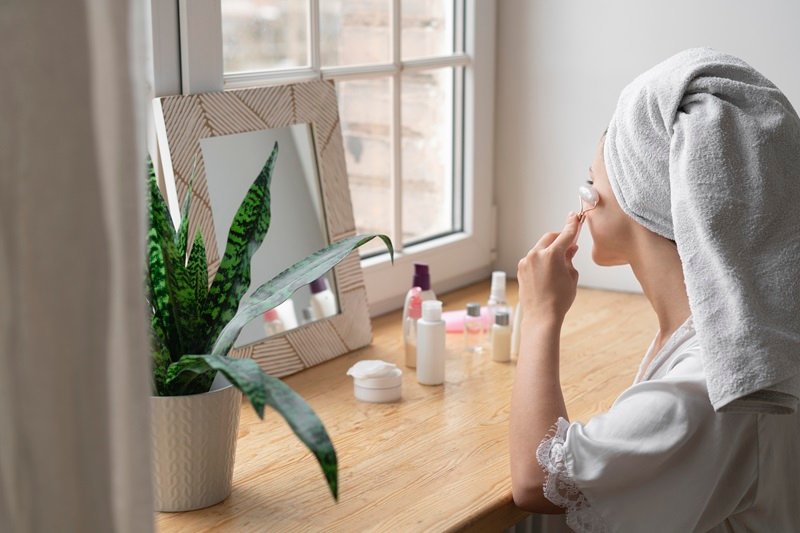
A personalized skincare routine helps you choose products that suit your skin type, address your main concerns, and fit your lifestyle. Instead of following every skincare trend, focus on understanding what your skin needs and selecting products that serve a clear purpose.
Whether you have dry, oily, combination, or sensitive skin, your routine should support the skin barrier, maintain hydration, and protect against sun damage. Concerns such as acne, dark spots, and fine lines may also benefit from targeted ingredients.
The goal is not to use as many products as possible. It is to build a simple, consistent routine that works for your skin. This guide explains how to identify your skin type, choose suitable products, and adjust your skincare routine safely.
What Is a Personalized Skincare Routine?

A personalized skincare routine is a daily plan tailored to your skin type, sensitivities, concerns, and environment. It considers how your skin behaves and which products are most likely to meet your needs.
For example, dry skin may benefit from a richer moisturizer, while oily skin may feel more comfortable with lightweight, non-comedogenic products. Sensitive skin generally needs gentle formulas that minimize irritation.
Most people can start with three essentials: a cleanser, a moisturizer, and sunscreen. Additional products should address specific concerns rather than make the routine unnecessarily complicated.
Interested in Botox & Anti-Wrinkle Treatments?
Smooth dynamic lines and achieve a naturally refreshed appearance with expert Botox at Tinkermoon Clinic, Jumeirah 1.

Step 1: Identify Your Skin Type
Understanding your skin type helps you select suitable product textures and ingredients. Observe how your skin feels after cleansing and how it behaves throughout the day.
| Skin type | Common signs | Suitable skincare options |
|---|---|---|
| Dry | Tightness, roughness, or flaking | Cream moisturizers, glycerin, ceramides |
| Oily | Excess shine and clogged pores | Lightweight, non-comedogenic products |
| Combination | Oily T-zone with drier cheeks | Balanced hydration and different textures when needed |
| Sensitive | Redness, stinging, or irritation | Gentle, fragrance-free formulas |
| Normal | Generally comfortable without persistent dryness or excess oil | Gentle cleansing and balanced hydration |
Your skin type can change with age, weather, hormonal fluctuations, and skincare habits. You may also experience temporary dehydration or irritation that does not necessarily indicate a permanent change in skin type.
Step 2: Choose Products for Your Main Skin Concerns
After identifying your skin type, decide which concerns you want to address first. Focusing on one or two priorities makes it easier to choose suitable ingredients and evaluate their effects.
Acne and Clogged Pores

Salicylic acid may help unclog pores and improve some forms of acne. Other acne treatments may be more suitable for inflamed breakouts, depending on their severity.
Choose products according to your skin’s tolerance and avoid combining several strong acne treatments without guidance. Persistent, painful, or scarring acne may require professional assessment.
Dryness and Dehydration

Ingredients such as glycerin and hyaluronic acid help attract water, while ceramides support the skin barrier. A suitable moisturizer can reduce moisture loss and improve the appearance of dry, rough skin.
If your skin feels tight after washing, consider switching to a gentler cleanser and applying moisturizer while your skin is slightly damp.
Dark Spots and Uneven Skin Tone
Vitamin C and niacinamide may help improve the appearance of uneven skin tone, depending on the formulation and cause of discoloration. Daily sun protection is particularly important because UV exposure can worsen existing pigmentation.
Persistent or changing dark spots should be assessed by a qualified healthcare professional rather than treated with increasingly strong products without a diagnosis.
Fine Lines and Uneven Texture
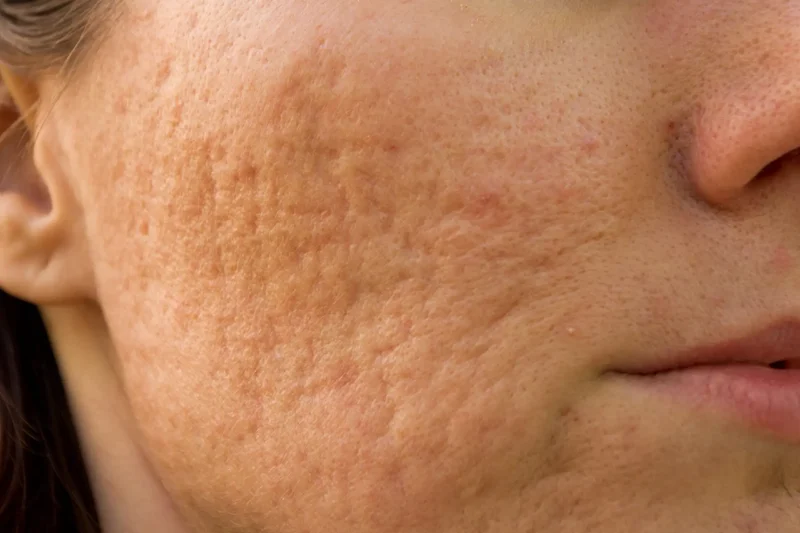
Retinoids may improve the appearance of fine lines, uneven texture, and certain forms of acne and pigmentation. However, they can cause dryness, peeling, and irritation, particularly when introduced too quickly.
Start with an appropriate product and follow its instructions. If you are pregnant or planning pregnancy, consult your healthcare professional before using retinoids.
Step 3: Build a Morning and Evening Routine

Your morning routine should prioritize protection, while your evening routine focuses on removing buildup and applying suitable treatments.
Morning Skincare Routine
Follow this order:
- Cleanser: Use a gentle cleanser to remove excess oil and overnight buildup. If your skin is very dry, choose a formula that does not leave it feeling tight.
- Optional serum: Apply a targeted product, such as vitamin C, if it suits your skin and addresses a specific concern.
- Moisturizer: Choose a formula that maintains hydration without feeling uncomfortable or contributing to clogged pores.
- Sunscreen: Finish with broad-spectrum sunscreen with SPF 30 or higher. Apply generously and reapply at least every two hours when outdoors, as well as after swimming or sweating.
Evening Skincare Routine
Your evening routine can remain simple:
- Cleanser: Remove makeup, sunscreen, dirt, and excess oil without scrubbing.
- Targeted treatment: Apply an appropriate acne treatment, retinoid, or other product according to its instructions.
- Moisturizer: Help maintain hydration and support the skin barrier overnight.
Not every treatment needs to be used every evening. Introduce active ingredients one at a time, follow the recommended frequency, and stop using a suspected irritant if a reaction develops. Seek medical advice if redness, burning, or itching persists.
Step 4: Adjust Your Routine to Your Lifestyle

A personalized skincare routine should account for changes in weather, climate, and daily activities.
During cold or dry weather, a richer moisturizer may help reduce moisture loss. In hot, humid conditions, a lightweight formula may feel more comfortable. If you exercise frequently, cleanse your skin after sweating and avoid leaving sweaty clothing against acne-prone areas for extended periods.
Your product choices should also reflect your daily sun exposure, makeup use, and tolerance for different textures. The best routine is one you can follow consistently without causing discomfort.
For additional guidance, the American Academy of Dermatology explains how to choose a moisturizer suited to your skin.
Step 5: Know When to Consider Professional Treatments
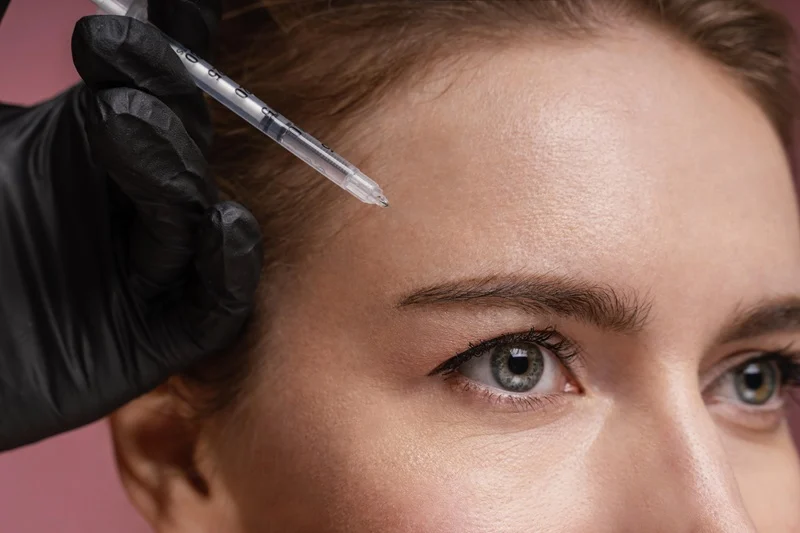
Daily skincare can help manage many common concerns, but topical products may not be enough for persistent acne, significant pigmentation, or pronounced wrinkles. A qualified professional can assess your skin and explain which options may be appropriate.
For expression-related wrinkles, Botox treatment in Dubai may be an option for suitable candidates. Botox temporarily reduces the muscle activity responsible for certain facial lines. It does not replace daily skincare, and treatment suitability should be assessed by a qualified medical professional.
Understanding the difference between topical skincare and professional procedures helps you set realistic expectations and choose an approach that matches your concerns.
Common Skincare Mistakes to Avoid
Even suitable products may cause problems when used incorrectly. Avoid these common mistakes when building your routine:
- Using too many active ingredients: Combining several exfoliating acids, retinoids, or acne treatments may increase irritation.
- Skipping moisturizer on oily skin: Oily skin still needs hydration. Choose a lightweight, non-comedogenic formula if you are prone to clogged pores.
- Ignoring sunscreen: UV exposure contributes to skin damage and can worsen uneven pigmentation.
- Choosing products based only on trends: A popular product may not suit your skin type or concerns.
- Expecting immediate results: Acne, pigmentation, and texture concerns often require several weeks or longer to improve.
If a product causes persistent discomfort, simplify your routine and stop using products that may be responsible. Seek professional advice if symptoms continue or worsen.
FAQs
How Many Products Should a Skincare Routine Include?
How Long Does It Take to See Results?
Should I Change My Skincare Routine With the Seasons?
When Should I See a Dermatologist?
Conclusion
Building a personalized skincare routine starts with understanding your skin type, identifying your main concerns, and selecting products that meet your needs. Gentle cleansing, appropriate moisturizing, and daily sun protection provide a strong foundation.
Choose targeted ingredients carefully, adapt your routine to your lifestyle, and avoid unnecessary products. If your concerns persist or you are considering a cosmetic procedure, consult a qualified professional. Consistent care and realistic expectations can help you maintain healthier-looking skin over time.