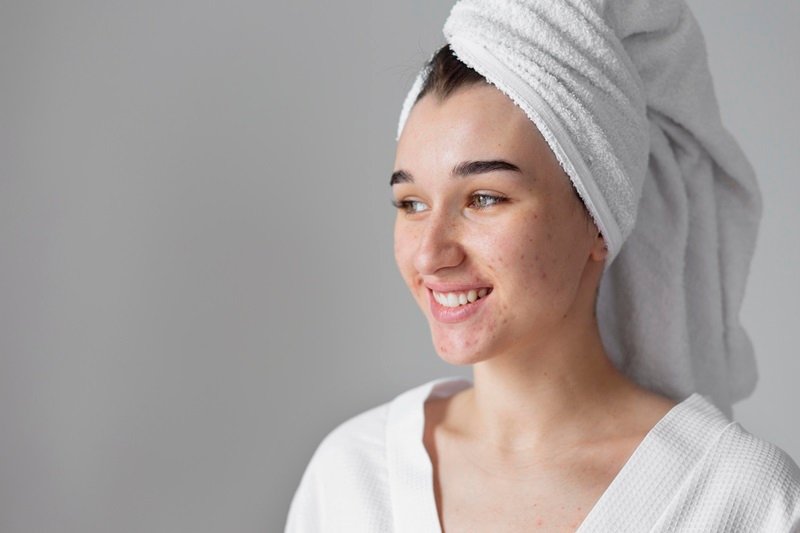
HydraFacial is a facial treatment that combines cleansing, exfoliation, extraction, and hydration to improve the appearance of the skin. Although many people notice smoother, clearer-looking skin afterward, others may develop small pimples or bumps within the following hours or days.
Pimples after HydraFacial can occur, but they are not an inevitable part of the treatment. Possible explanations include irritation, reactions to skincare ingredients, or acne that was already developing. Understanding the type of breakout and how it changes over time can help you decide how to care for your skin.
Are Pimples After HydraFacial Normal?
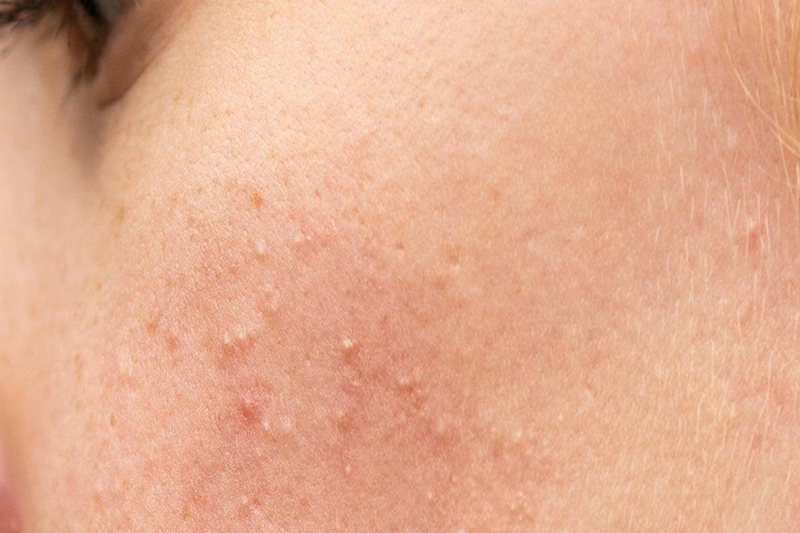
A few small bumps after HydraFacial do not automatically indicate a problem, but they should not always be dismissed as normal skin purging. The reaction depends on your skin condition, the products used, and how the procedure was performed.
Mild redness or sensitivity may occur after exfoliating treatments. However, new acne lesions, persistent inflammation, or worsening discomfort deserve closer attention.
The timing of a breakout alone cannot establish its cause. If you experience an unexpected reaction, contact your treatment provider rather than assuming your skin is simply adjusting to the procedure.
Ready for a Rejuvenating Hydrafacial in Dubai?
Deep cleanse, extract impurities, and hydrate skin with medical-grade Hydrafacial treatments at Tinkermoon Clinic.

What Causes Pimples After HydraFacial?
Several factors may explain why pimples appear after a HydraFacial session. Identifying the likely trigger can help you understand whether the reaction may be related to irritation, skincare products, or existing acne.
1. Skin Irritation From Exfoliation
HydraFacial uses exfoliation and suction-based extraction to remove surface debris and impurities from pores. If the treatment is too intensive for your skin, it may cause irritation and inflammation.
People with sensitive skin or an already compromised skin barrier may be more susceptible. Recent use of retinoids, exfoliating acids, or other potentially irritating products may also affect how well the skin tolerates treatment.
2. Reactions to Skincare Products
Serums and other products applied during or after the procedure may contain ingredients that do not suit every skin type. Depending on the ingredient and individual sensitivity, a reaction may appear as acne-like bumps, redness, itching, or burning.
If symptoms begin shortly after treatment and include pronounced itching or irritation, contact your provider to discuss the products used. Avoid reapplying suspected triggers until you receive appropriate advice.
3. Pre-Existing Acne and Congested Pores
People with acne-prone skin may develop new pimples around the time of a facial because acne is influenced by several ongoing factors, including excess sebum, clogged follicles, inflammation, and hormonal changes.
HydraFacial may help cleanse and exfoliate the skin, but it does not eliminate every cause of acne. A breakout following treatment may coincide with the natural progression of existing acne rather than being directly caused by the procedure.
How Can You Tell Whether It Is Purging or Irritation?
Purging generally refers to a temporary increase in visible acne lesions associated with certain treatments or ingredients that accelerate skin cell turnover. However, not every facial treatment causes purging, and a breakout after HydraFacial should not automatically be attributed to this process.
The following table summarizes possible explanations and appropriate next steps. These patterns are clues rather than definitive ways to diagnose a skin condition.
| Skin reaction | Possible explanation | Recommended action |
|---|---|---|
| Mild redness or sensitivity | Temporary post-treatment irritation | Use gentle skincare and monitor symptoms |
| Small pimples in acne-prone areas | Existing or newly developing acne | Avoid picking and observe changes |
| Itching, burning, or widespread redness | Possible irritation or product reaction | Contact your provider and avoid suspected triggers |
| Painful, swollen, or worsening lesions | More significant inflammation or another skin condition | Seek assessment from a qualified healthcare professional |
If the cause is unclear, a dermatologist can assess the appearance and progression of the lesions to help determine the appropriate treatment.
How Long Do Pimples After HydraFacial Last?
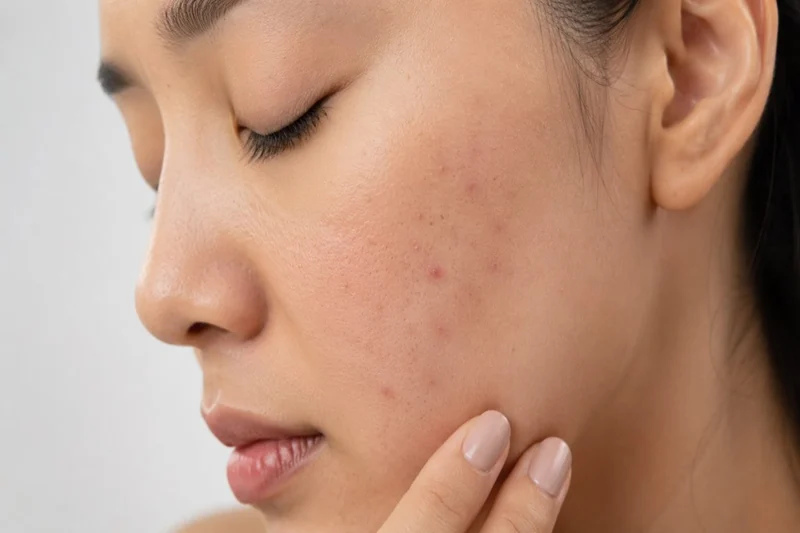
There is no universal timeline for pimples following HydraFacial because the duration depends on the underlying cause.
Mild irritation may settle relatively quickly, whereas acne lesions can take longer to resolve. A reaction to a skincare ingredient may persist if exposure continues, and inflammatory acne may require specific treatment.
Rather than relying on a fixed number of days, monitor whether the breakout is improving. If it continues to worsen, does not begin to settle, or is accompanied by persistent redness or discomfort, contact your practitioner or a dermatologist.
Avoid scheduling another session until a significant or unexplained reaction has been assessed.
What Should You Do If You Get Pimples After HydraFacial?

The priority is to minimize additional irritation while allowing your skin to recover. A simple routine is generally preferable to introducing multiple products in an attempt to clear the breakout quickly.
1. Cleanse Your Skin Gently
Wash your face with a mild cleanser and lukewarm water. Use your fingertips rather than cleansing brushes, rough washcloths, or exfoliating tools.
Scrubbing can increase irritation and make inflamed skin more uncomfortable. The American Academy of Dermatology’s acne skincare guidance recommends gentle cleansing and avoiding abrasive skincare practices.
2. Use a Suitable Moisturizer
Apply a gentle, non-comedogenic moisturizer to support the skin barrier. Choose a product that your skin already tolerates rather than experimenting with several new formulas.
A good option is CeraVe PM Facial Moisturizing Lotion, a lightweight, oil-free moisturizer containing ceramides, hyaluronic acid, and niacinamide. It helps support the skin barrier and maintain hydration without a heavy feel, making it a practical choice for acne-prone skin. If your skin is sensitive after HydraFacial, patch-test the product first, as niacinamide may not suit everyone.
3. Temporarily Avoid Irritating Products
Pause exfoliating acids, retinoids, scrubs, and other potentially irritating active ingredients until your skin has recovered, following the specific aftercare instructions provided by your practitioner.
The appropriate waiting period varies according to the treatment and your skin’s condition. Ask your provider when to resume your usual routine, particularly if you use prescription acne medication.
4. Do Not Pick or Squeeze Pimples
Picking at lesions can worsen inflammation and increase the risk of scarring or post-inflammatory dark marks. Avoid attempting to extract the bumps yourself, even if they appear to contain a visible whitehead.
5. Protect Your Skin From Sun Exposure
Use a broad-spectrum sunscreen with SPF 30 or higher and limit excessive sun exposure. Sun protection is especially important when the skin is irritated or inflamed because ultraviolet exposure can worsen discoloration.
A good option is La Roche-Posay Anthelios UVMune 400 SPF 50+, a high-protection sunscreen that offers broad-spectrum UVA and UVB protection. Its lightweight fluid formula is suitable for daily use, and it can be a practical choice for protecting skin after HydraFacial. Choose the version that best suits your skin type, especially if your skin is sensitive or prone to breakouts.
How Can You Reduce the Risk of Pimples Before HydraFacial?
Although no approach can guarantee that a breakout will not occur, preparing for your appointment can help your practitioner assess your skin and reduce avoidable irritation.
- Discuss your skin concerns beforehand. Tell your practitioner about acne, sensitivity, allergies, and previous reactions to facial treatments.
- Share your current skincare routine. Mention prescription treatments, retinoids, and exfoliating acids so your provider can determine whether any adjustments are appropriate.
- Choose a treatment suited to your skin. Treatment intensity and product selection should reflect your skin’s condition and tolerance.
- Discuss active skin problems. If you have painful inflammatory acne, a rash, or significant skin irritation, ask a qualified professional whether the procedure should be postponed.
Before booking an appointment, explore Tinkermoon’s HydraFacial service to learn more about the treatment and discuss whether it is appropriate for your skin.
Frequently Asked Questions
Can HydraFacial Cause Acne Breakouts?
Should I Get Another HydraFacial After Developing Pimples?
Can I Wear Makeup After HydraFacial?
Conclusion
Pimples after HydraFacial can occur for several reasons, including irritation, product reactions, and pre-existing acne. They should not automatically be considered skin purging or a sign that the treatment is working. Gentle cleansing, appropriate moisturization, and avoiding irritating products can support recovery. If breakouts persist, worsen, or become painful, seek professional advice before undergoing another session.