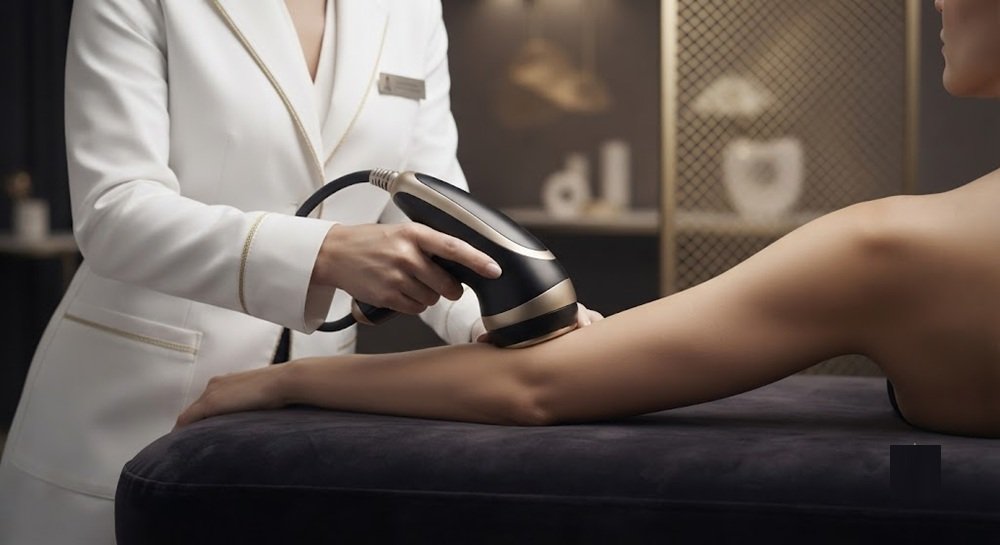
If you are wondering, “Which non-surgical body contouring treatment is right for me?”, start with your main concern—not the treatment itself. Some procedures target stubborn localized fat, while others focus on muscle definition or skin firmness. Choosing the right option depends on your body composition, treatment area, skin laxity, and aesthetic goals.
Non-surgical body contouring can help refine specific areas without the incisions and recovery associated with surgery. In this guide, we compare the main treatment options and explain which one may be more suitable for stubborn fat, mild loose skin, poor muscle definition, or multiple body-contouring concerns.
What Is Non-Surgical Body Contouring?
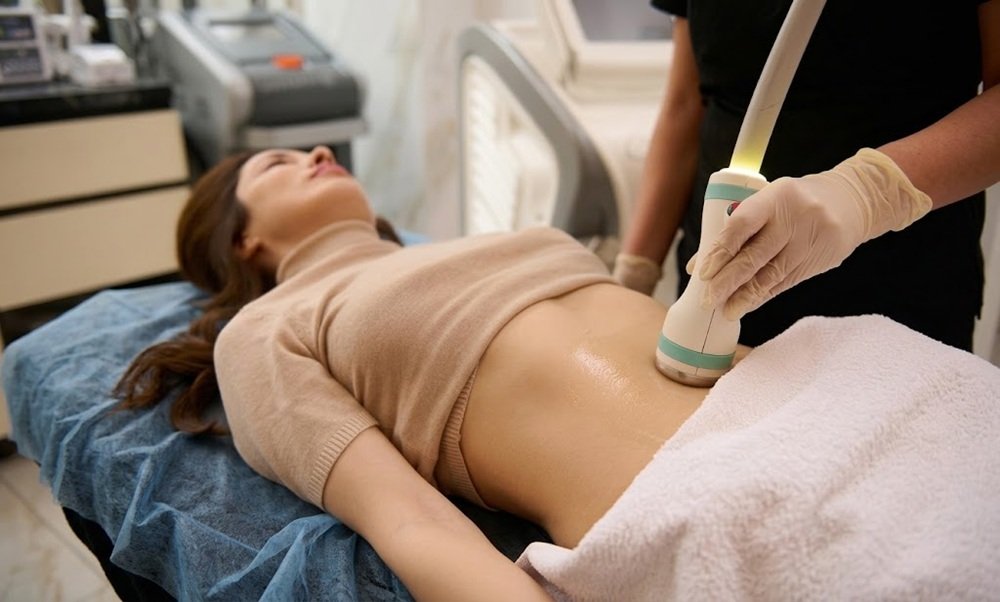
Non-surgical body contouring refers to treatments that improve the appearance and shape of specific areas without surgical incisions. Depending on the technology used, these treatments may target localized fat, muscle tone, skin firmness, or overall body definition.
These procedures are designed for body contouring rather than significant weight loss. The most suitable option depends on factors such as the treatment area, amount of localized fat, skin elasticity, muscle tone, and your aesthetic goals.
Which Non-Surgical Body Contouring Treatment Is Right for You?
Different technologies work in different ways. The key is to match the treatment to your primary concern.
EMS Slimming
Best for: muscle tone, definition, and a firmer-looking body
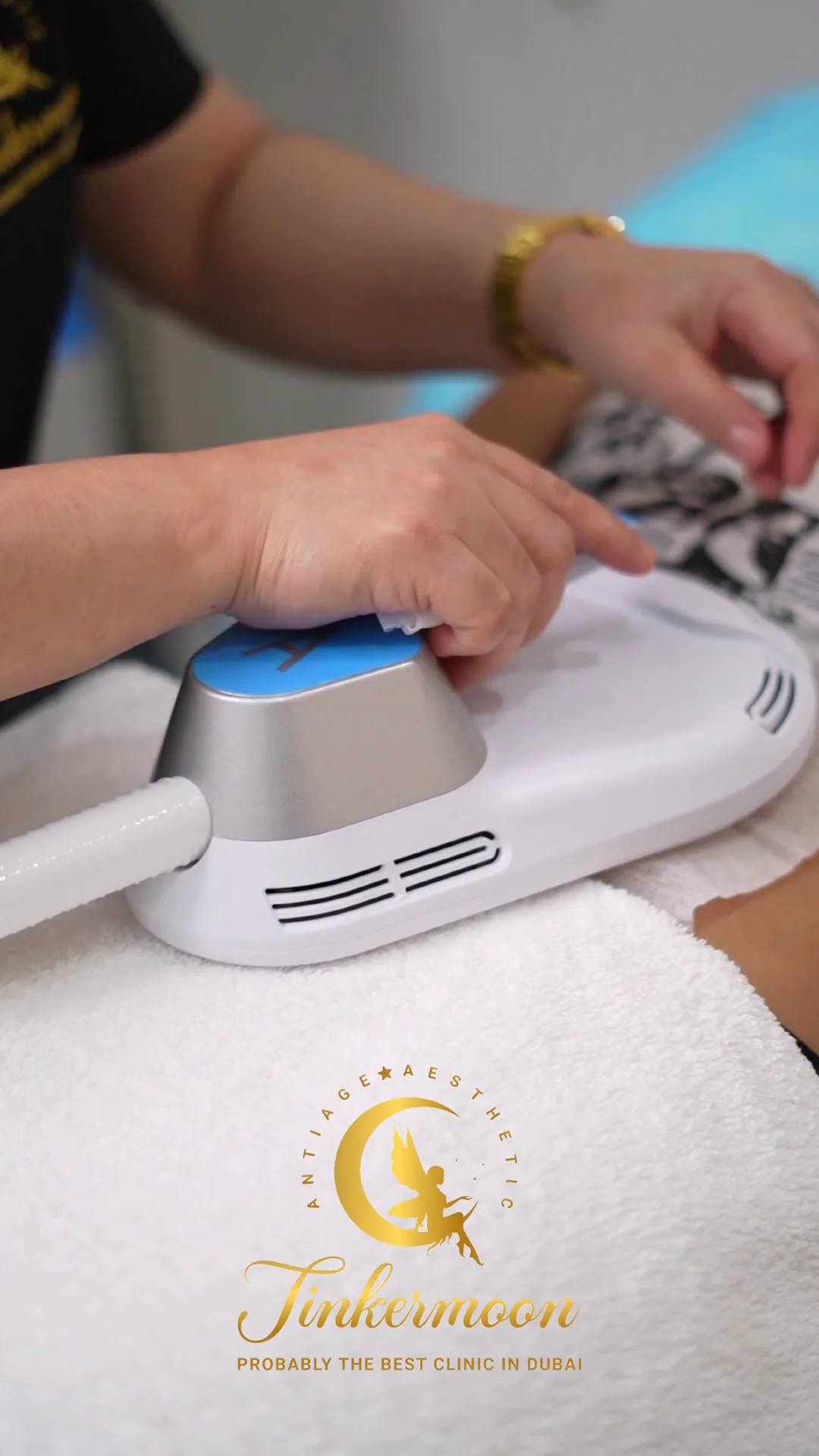
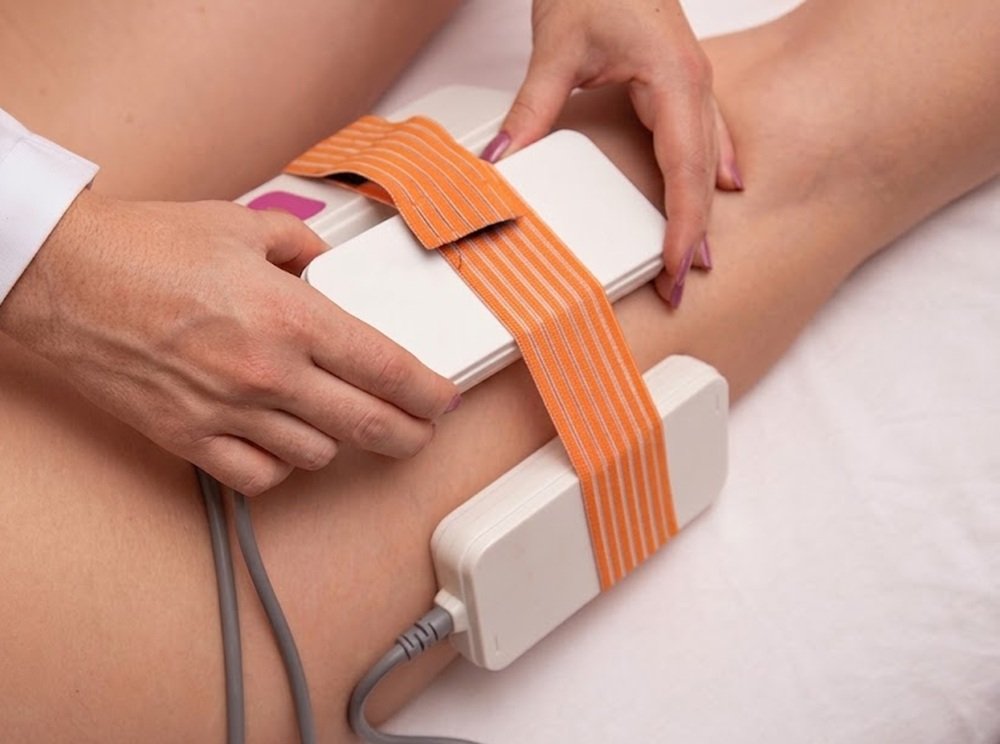
EMS Slimming uses electrical stimulation to trigger controlled muscle contractions. It can help improve muscle tone and definition in targeted areas such as the abdomen, buttocks, thighs, arms, calves, and lower back.
Choose EMS if:
- Your main goal is improved muscle definition.
- You are relatively close to your target weight
- You want a firmer, more sculpted appearance
- You prefer a non-surgical treatment
EMS is primarily intended for muscle stimulation and body toning, rather than significant weight loss or the removal of large amounts of fat.
Cryolipolysis
Best for: stubborn localized fat
Cryolipolysis, commonly known as fat freezing, uses controlled cooling to target fat cells in selected areas. The body gradually processes the treated fat cells, resulting in a gradual reduction of fat in the treated area.
Choose Cryolipolysis if:
- You have a localized pocket of stubborn fat.
- You are close to your target weight.
- Diet and exercise have not fully addressed the treated area.
- You prefer a non-surgical approach.
Radiofrequency Body Contouring
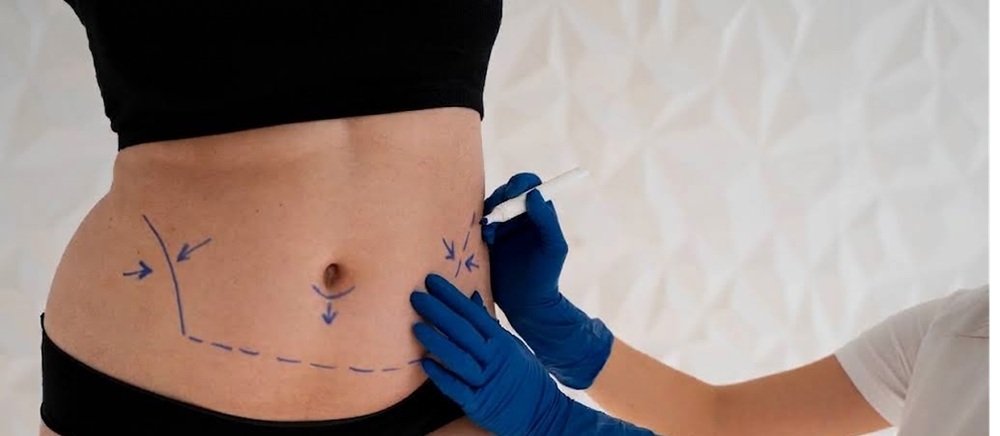
Best for: mild skin laxity, firmness, and contour refinement
Radiofrequency body contouring uses controlled heat to target tissues beneath the skin. Depending on the technology used, it may help improve skin firmness and the overall appearance of treated areas.
Choose RF body contouring if:
- Your main concern is mild skin laxity.
- You want improved firmness and contour.
- Skin texture is part of your concern.
- You prefer a non-surgical option.
Fat-Dissolving Injections
Best for: small, localized fat pockets
Fat-dissolving injections are another minimally invasive option for targeting specific pockets of unwanted fat. They may be considered when the amount of fat is relatively small and a localized approach is preferred.
Choose fat-dissolving injections if:
- You have a small, localized fat pocket.
- You prefer an injectable treatment.
- You do not need significant fat removal.
- Your provider determines that the treatment is appropriate for the area.
Non-Surgical Body Contouring Treatment Comparison.
| Your Main Concern | Treatment That May Be Suitable | Main Goal |
|---|---|---|
| Stubborn localized fat | Cryolipolysis | Fat reduction |
| Small localized fat pocket | Fat-dissolving injections | Targeted fat reduction |
| Poor muscle definition | EMS Slimming | Muscle toning and definition |
| Mild skin laxity | RF body contouring | Firmness and contour refinement |
| Fat + need for muscle definition | EMS + fat-reduction approach | More comprehensive contouring |
| General body refinement | Treatment based on your anatomy | Customized contour improvement |
Important: the table is a starting point, not a substitute for an assessment. The same treatment may produce different results depending on fat thickness, skin elasticity, muscle mass, and the treatment area.
Which Body Contouring Treatment Is Best for My Concern?
If You Have Stubborn Localized Fat
If your main concern is a stubborn pocket of localized fat that has not responded fully to diet and exercise, Cryolipolysis may be a suitable non-surgical option. It focuses on reducing fat in the treated area rather than causing overall weight loss.
If You Want More Muscle Definition
If you are relatively close to your target weight and want better muscle tone or definition, EMS Slimming may be a better fit. It uses electrical muscle stimulation to support a firmer and more sculpted appearance.
If You Have Mild Loose Skin
If mild skin laxity is your main concern, radiofrequency body contouring may be more appropriate. RF treatments use controlled heat to support skin firmness and improve the appearance of the treated area.
If You Have a Small Localized Fat Pocket
If you have a small, localized pocket of unwanted fat, fat-dissolving injections may be considered when clinically appropriate. This minimally invasive approach is designed for selected areas rather than significant overall fat reduction.
If You Have Multiple Body Contouring Concerns
If you have a combination of localized fat, reduced muscle definition, and mild skin laxity, a customized treatment plan may be more appropriate than relying on a single procedure. A qualified provider can determine whether different approaches can safely be combined based on your anatomy and goals.
Who Is a Good Candidate for Non-Surgical Body Contouring?
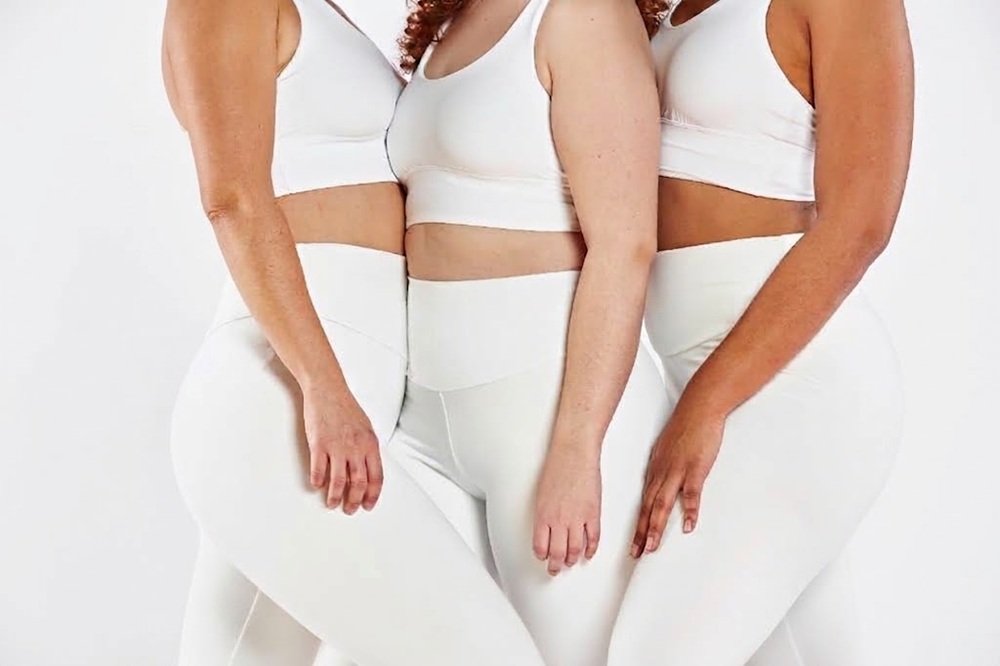
Non-surgical body contouring may be suitable for adults who are close to their desired weight but have specific areas they would like to refine. Good candidates generally have realistic expectations and understand that these treatments are designed for contour improvement rather than significant weight loss.
Your suitability depends on the treatment you are considering, the amount of localized fat, skin elasticity, muscle tone, treatment area, and your overall health.
Why a Professional Consultation Matters
There is no single body contouring treatment that is right for everyone. During a consultation, a qualified provider can assess your fat distribution, skin elasticity, muscle tone, treatment area, and aesthetic goals.
This assessment helps determine whether one treatment is enough or whether a different or combined approach may better match your needs. It also allows you to discuss expected results, treatment sessions, potential side effects, and recovery.
Conclusion
The right non-surgical body contouring treatment depends on the problem you want to address. If you have stubborn localized fat, Cryolipolysis may be suitable. If your main goal is muscle tone and definition, EMS Slimming may be a better fit. For mild skin laxity and firmness, RF body contouring may be more appropriate. For a small localized fat pocket, fat-dissolving injections may be considered when appropriate.
If you have multiple concerns, a customized treatment plan may combine different approaches. Ultimately, the best option is the one that matches your anatomy, goals, and expectations—not simply the most popular treatment.
FAQ
How do I choose the right non-surgical body contouring treatment?
The right treatment depends on your main concern. Cryolipolysis may be suitable for stubborn localized fat, EMS Slimming for muscle definition, and RF body contouring for mild skin laxity and firmness. A consultation can help determine which option best matches your anatomy and goals.
2. Can non-surgical body contouring help me lose weight?
Non-surgical body contouring is primarily designed to improve specific areas and body contours rather than produce significant overall weight loss.
3. Is EMS Slimming the same as fat reduction?
No. EMS primarily focuses on muscle stimulation, tone, and definition. It should not be considered a replacement for a dedicated fat-reduction treatment.
4. Which treatment is best for stubborn belly fat?
If the main concern is a localized pocket of abdominal fat, Cryolipolysis may be an option for suitable candidates. However, if loose skin or poor muscle definition is also present, another treatment may be more appropriate. A professional assessment can help determine the best approach.
5. Can I combine body contouring treatments?
Yes, different body contouring treatments may sometimes be combined when they address different concerns. For example, one treatment may focus on localized fat while another targets muscle definition or skin firmness. Your provider should determine whether a combination is appropriate for your anatomy and treatment goals.